There are three of us now. Me, Ella and Amber.
Sometimes I catch myself looking around the house and thinking about how different life feels from this time last year. Not necessarily bigger or busier, as I might once have imagined motherhood would make it, but somehow fuller. Our home is quiet. There are baby clothes drying, bottles on the bottle rack, muslins draped over furniture and grass/ mud that seem to appear no matter how often I sweep. There is the sound of a baby stirring, the little patter of Amber’s paws on the floor and, most days, a general sense of calm.
It isn’t a conventional family set-up. I’m a single mum. There isn’t another adult walking through the door at the end of the day, asking how things have been or taking over for an hour while I shower. But there is so much love here. And perhaps that’s what I notice most.
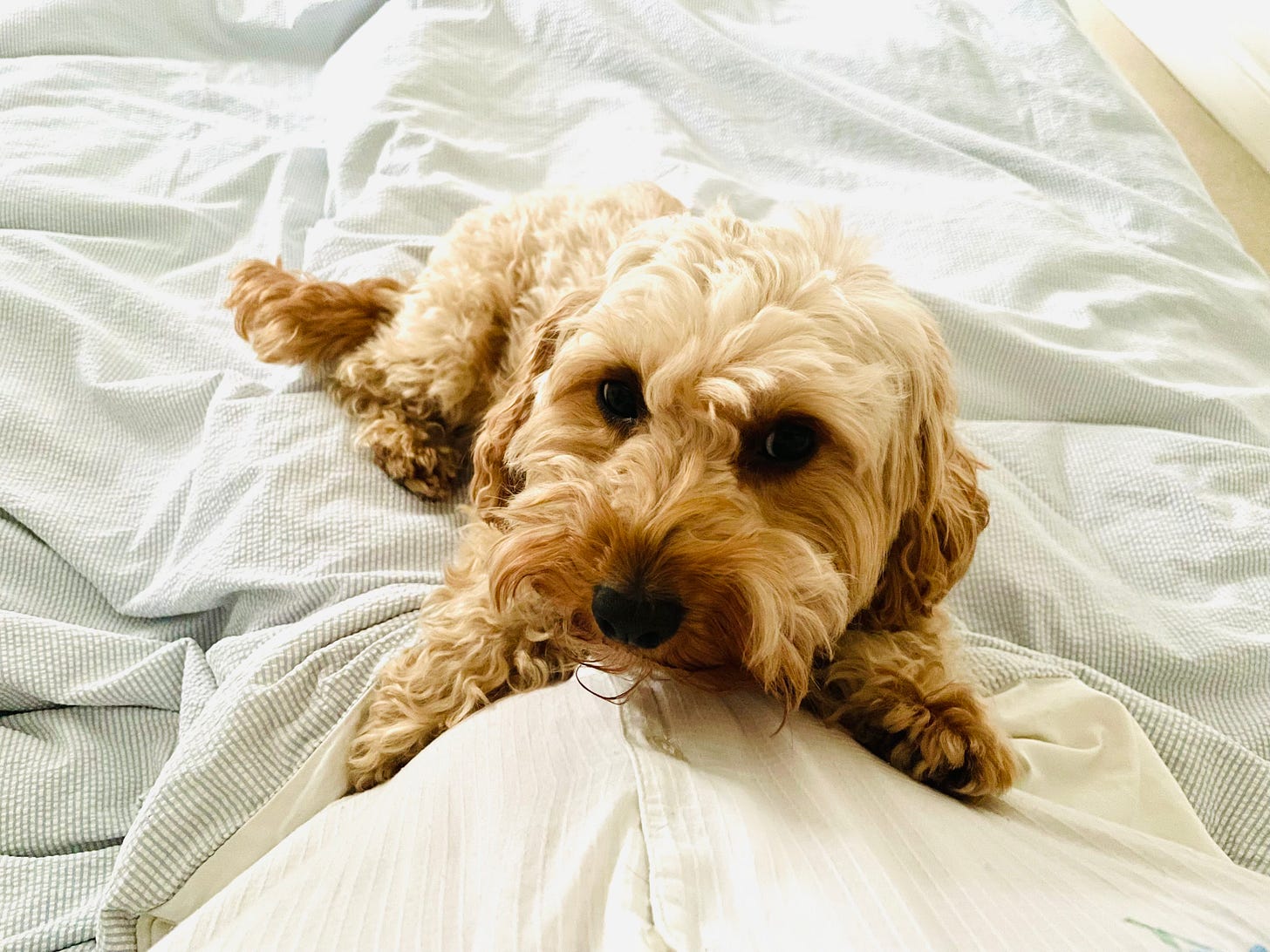
Amber was here first
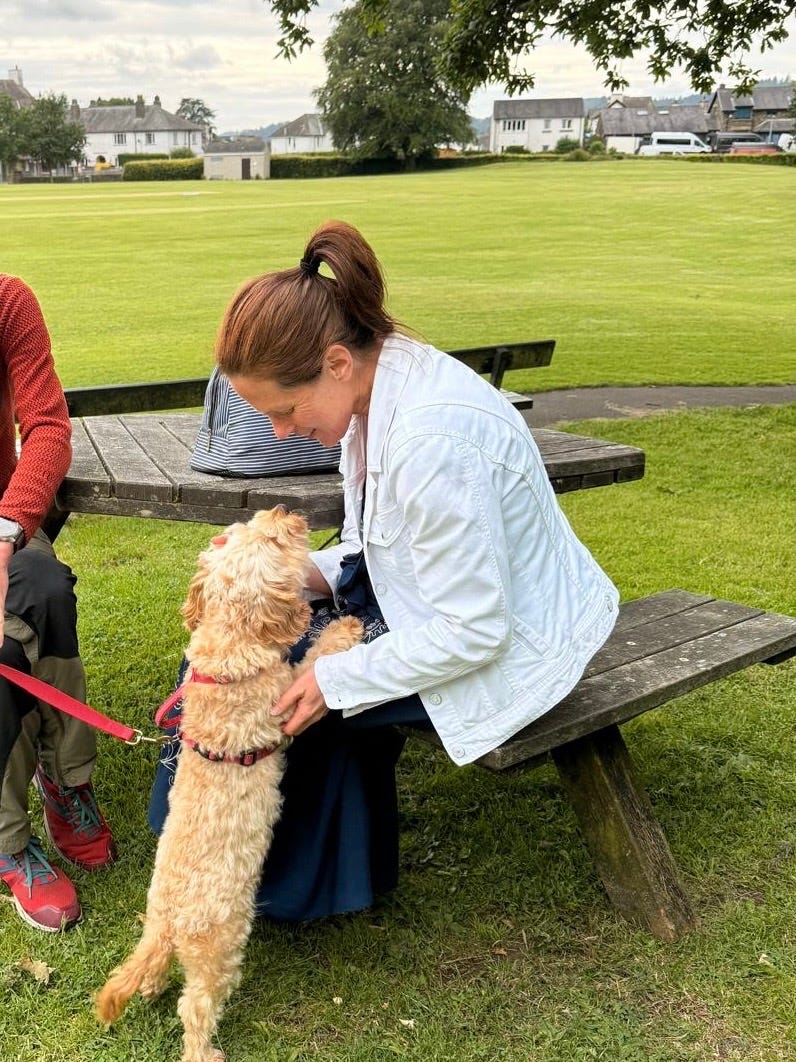
Before Ella, it was Amber and me. For four years she has been my constant companion. She has been there for quiet mornings, long walks, difficult days and ordinary ones. She has followed me from room to room, curled up beside me on the sofa and made the house feel less empty when I was on my own. So I wondered what would happen when the baby arrived.
Would Amber feel pushed aside? Would she struggle with the changes? Would I somehow become so consumed by motherhood that our relationship would change?
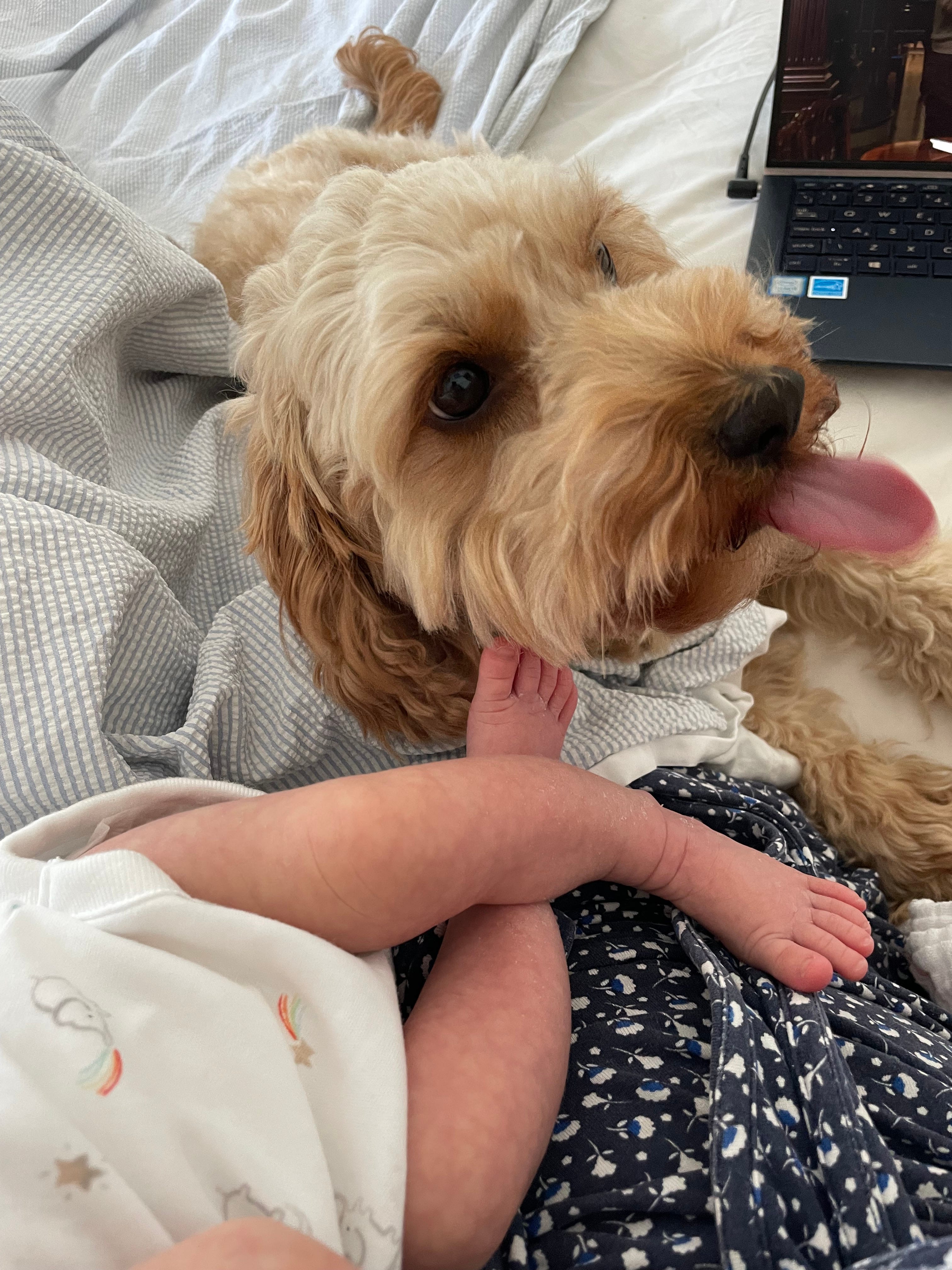
Of course it has changed. But not in the way I feared. Amber has been incredible. She has been gentle and calm around Ella from the beginning. She seems to understand that this little person is different somehow. She doesn’t need to be involved in everything. Sometimes she simply lies nearby while I feed Ella. Sometimes she watches her from the other side of the room, looking from the birds outside and then back to us. Sometimes she comes over for a cuddle with me while Ella is sleeping. But she always sleeps next to me at night. There is something incredibly comforting about that. Amber hasn’t demanded that life stay the way it was before Ella. She has simply adapted to the new shape of our family.
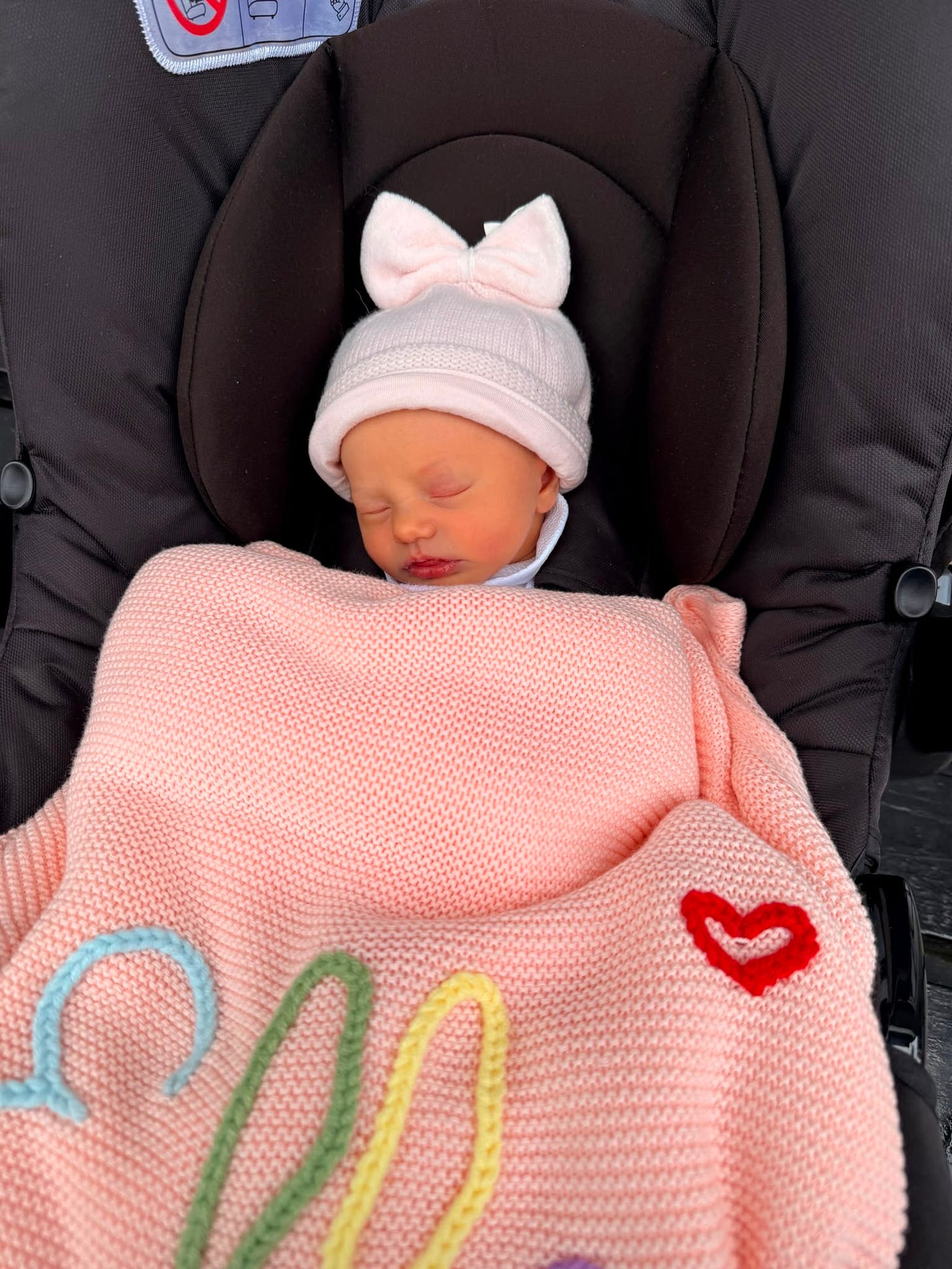
And then there was Ella
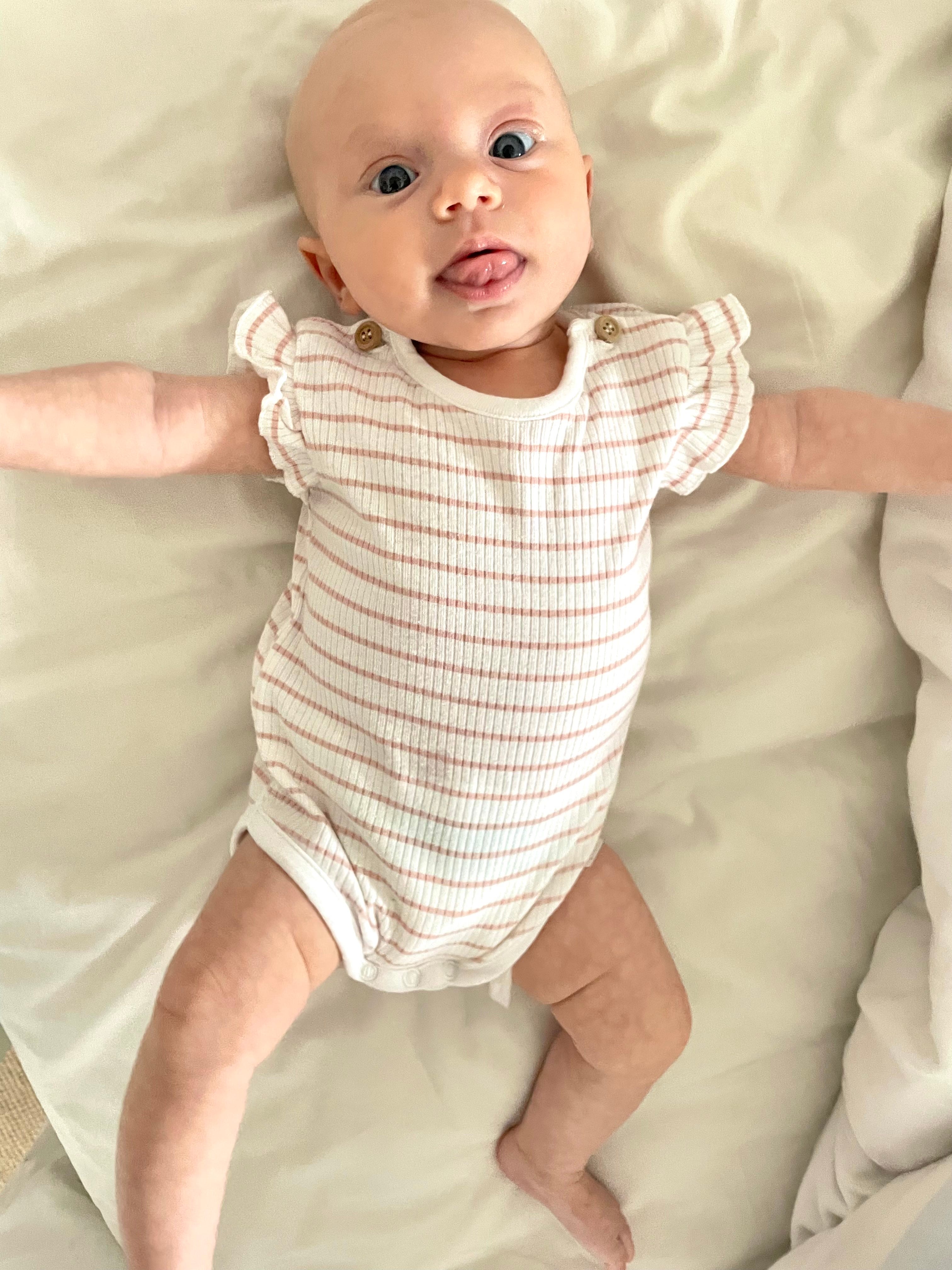
Ella is nearly 12 weeks old now, and I can feel us moving beyond those early newborn weeks. The relentless feeding. The broken sleep. The wondering whether I was doing everything right. The feeling that every day was simply about getting through the next feed, the next nap, the next evening. Now I am beginning to see more of her. Her personality is emerging. She watches me. She follows me with her eyes when I walk across the room. She smiles when she sees me. She is beginning to notice Amber too, and I love watching those little moments of recognition between them.
There is something extraordinary about watching your baby discover the world when you are the centre of their world. And increasingly, I feel that I’m not simply looking after a baby. I’m getting to know my daughter. Who she is. What she likes. What settles her. What makes her smile. How she looks at things. How she responds to different sounds and people. The newborn who arrived in my arms is slowly becoming a little person with her own presence.
A highly sensitive home
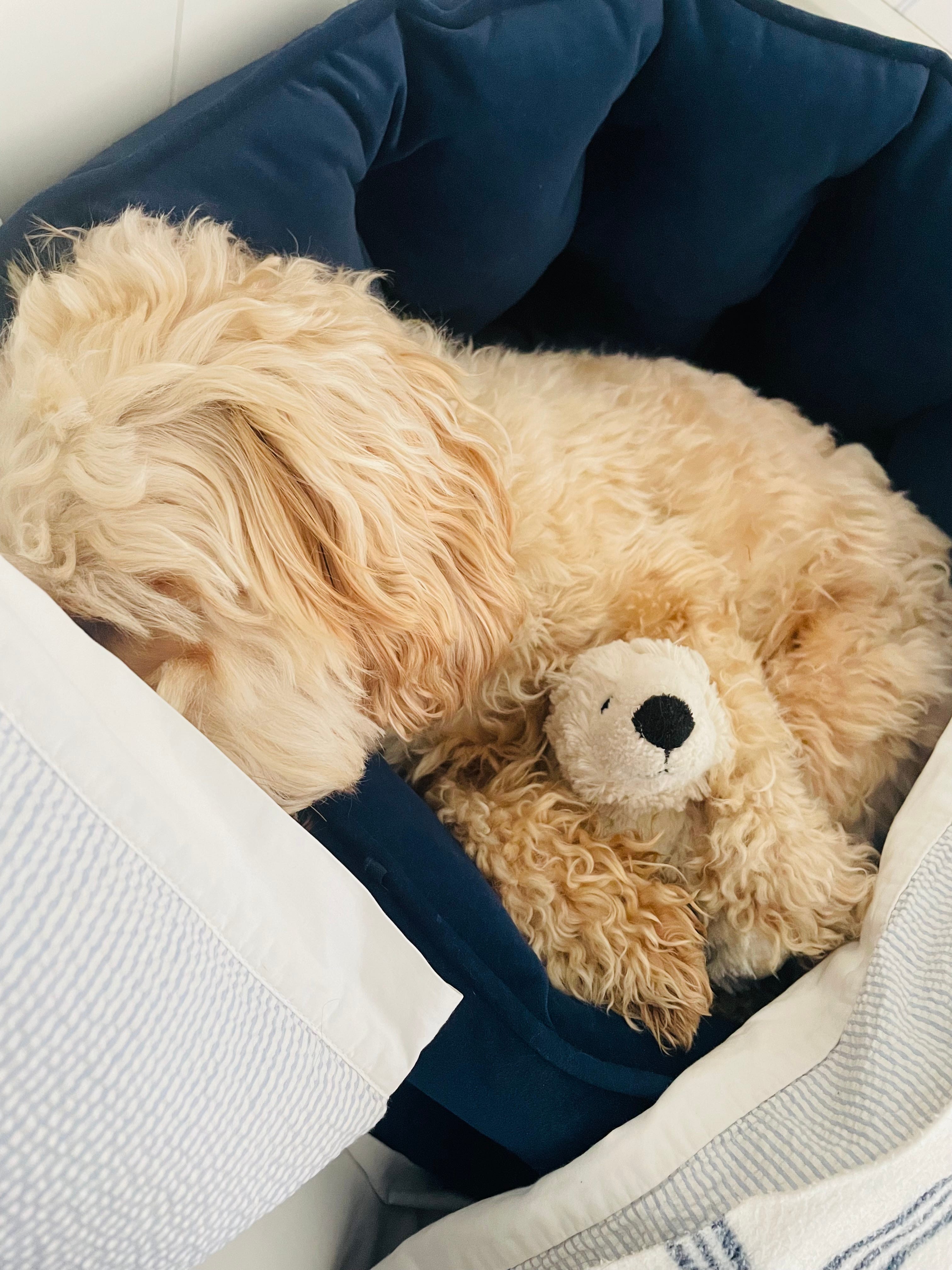
Being highly sensitive means I notice things. Noise. Atmosphere. Tension. Clutter. Other people’s moods. The general feeling of a room. For a long time I thought of this sensitivity as something I needed to manage or overcome. Motherhood has made me see it differently. Perhaps sensitivity can also be a way of creating the kind of environment I want my daughter to grow up in. Our home isn’t perfect. It isn’t silent, especially when Amber barks at the birds or anyone who knocks on the door! And it certainly isn’t spotless.
But it is calm.
There is no frantic rushing around trying to fit everything in. There is no pressure for every day to be exciting. We go for walks. We spend time at home. We have quiet mornings. We cuddle. We play. Amber sleeps nearby. And sometimes nothing particularly remarkable happens at all. I’ve started to appreciate those days. There is something deeply restorative about an ordinary day when you are no longer trying to make it into something more.
The walks

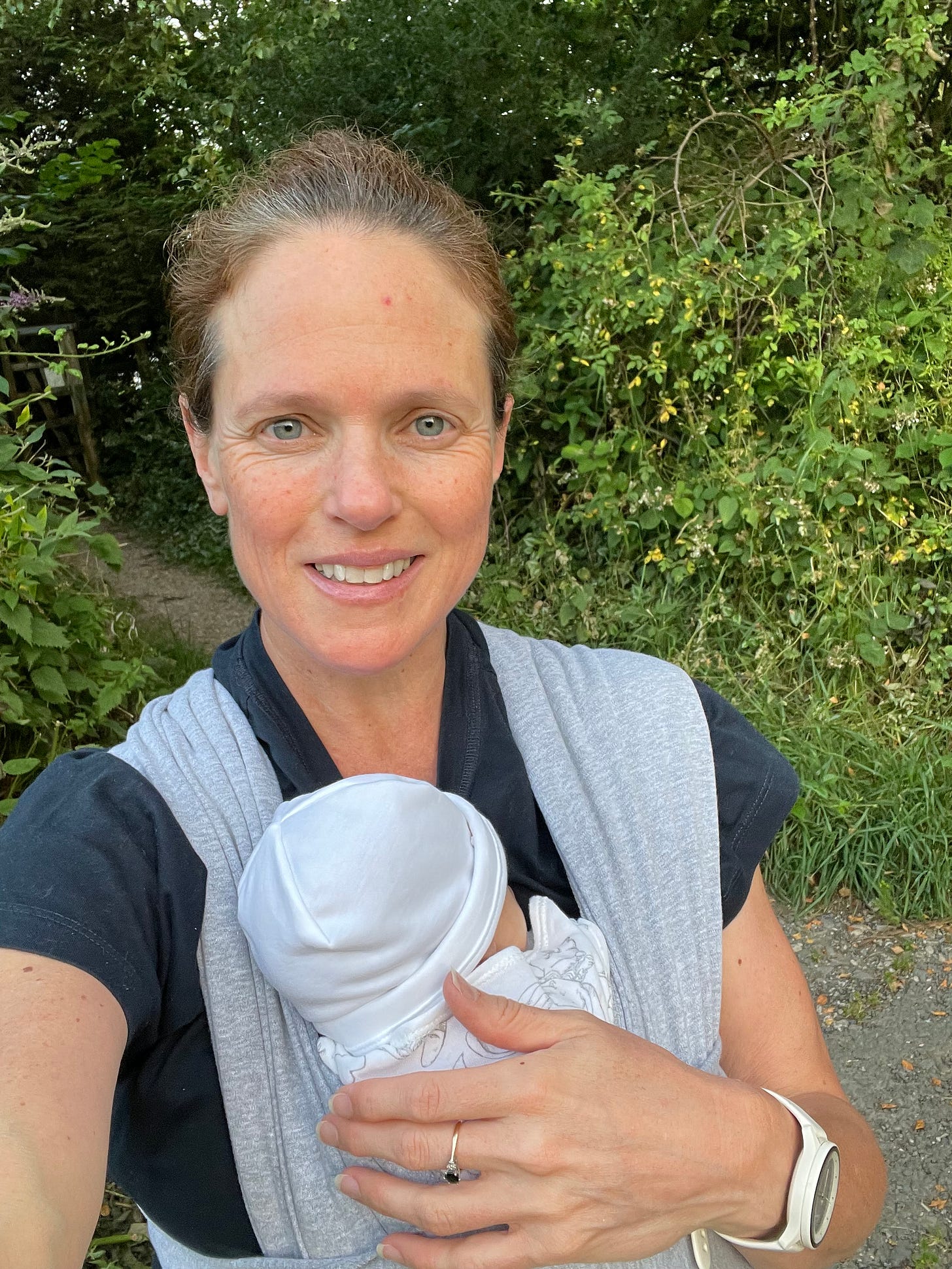
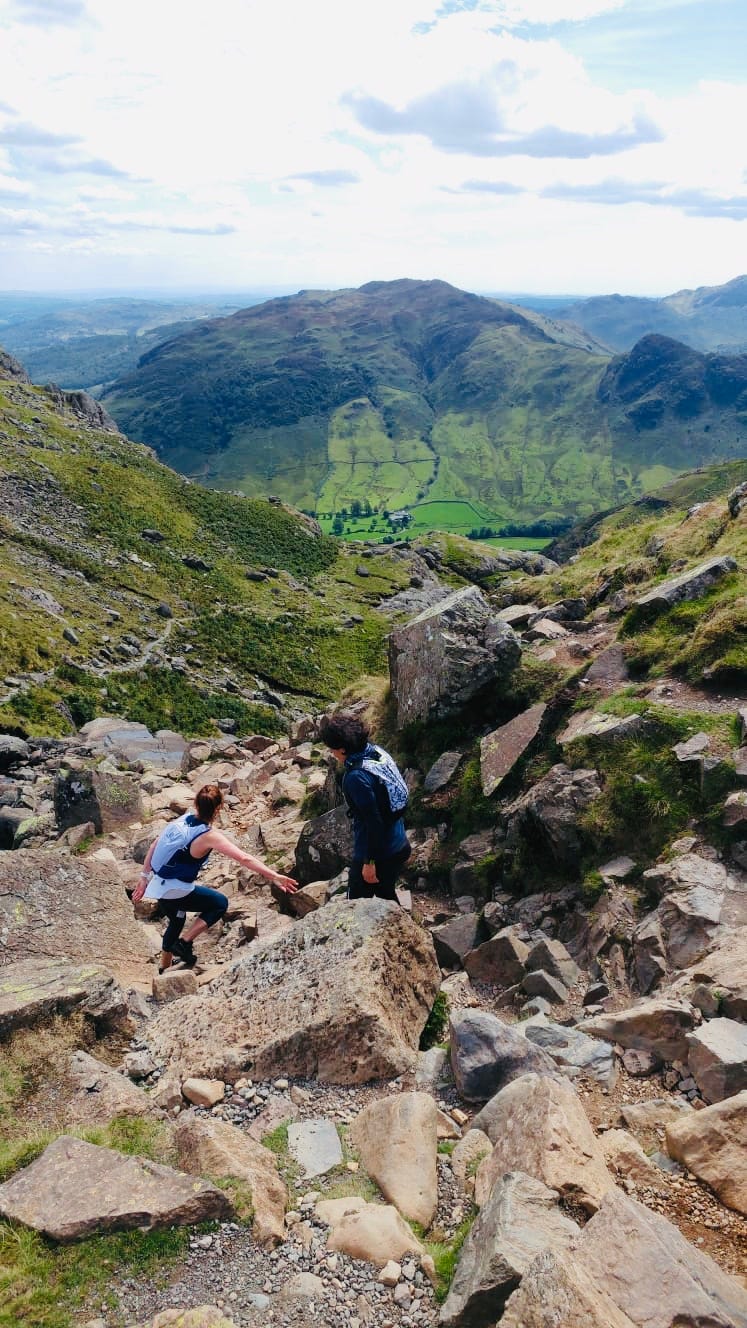
Some of my favourite moments with Ella and Amber are outside. The three of us walking together through the landscape around Windermere. Amber pottering along. Ella tucked against me or peacefully taking in the world from her pram. The trees moving in the breeze. The lake. The changing light. The seasons slowly moving around us. I think nature has been part of my adjustment to motherhood more than I expected. Perhaps because it gives everything some perspective. Babies grow quickly. Sleep changes. Feeding changes. Your body changes. Your identity changes. But the hills are still there. The seasons keep moving. You can walk for an hour and come home feeling as though something inside you has settled. And Amber, who has always loved being outside with me, now has another little person to accompany us.
Three of us.
The loneliness and the fullness
Click here to buy me a coffee and keep me fuelled for writing as a new mum ☕️
I don’t want to romanticise single motherhood. There are moments when I wish there were another pair of hands and I am so grateful when my friend Melanie comes to stay with us. Someone to do the washing up while I feed Ella. Someone to say, “go and have a nap, I’ve got her.” Someone to share the tiny milestones with in real time.
There are moments when the responsibility feels enormous because it is mine. But there is another side to being a single mum that I hadn’t fully appreciated. There is an extraordinary intimacy in building a life with your child. It is just us. And Amber. We are becoming our own little unit. I don’t have to create a family that looks like somebody else’s. I don’t have to measure ours against anyone else’s. This is ours.
A little family
Sometimes I think we spend so much time talking about what a family is supposed to look like that we forget what actually makes a family. It isn’t necessarily the number of people in the house. It isn’t whether your family fits a particular picture. It is the love, safety, familiarity and belonging that exist between you. And when I look around our home now, I feel that.
I see Amber sleeping peacefully while Ella feeds.
I see Ella smiling when I pick her up.
I see the three of us heading out for a walk.
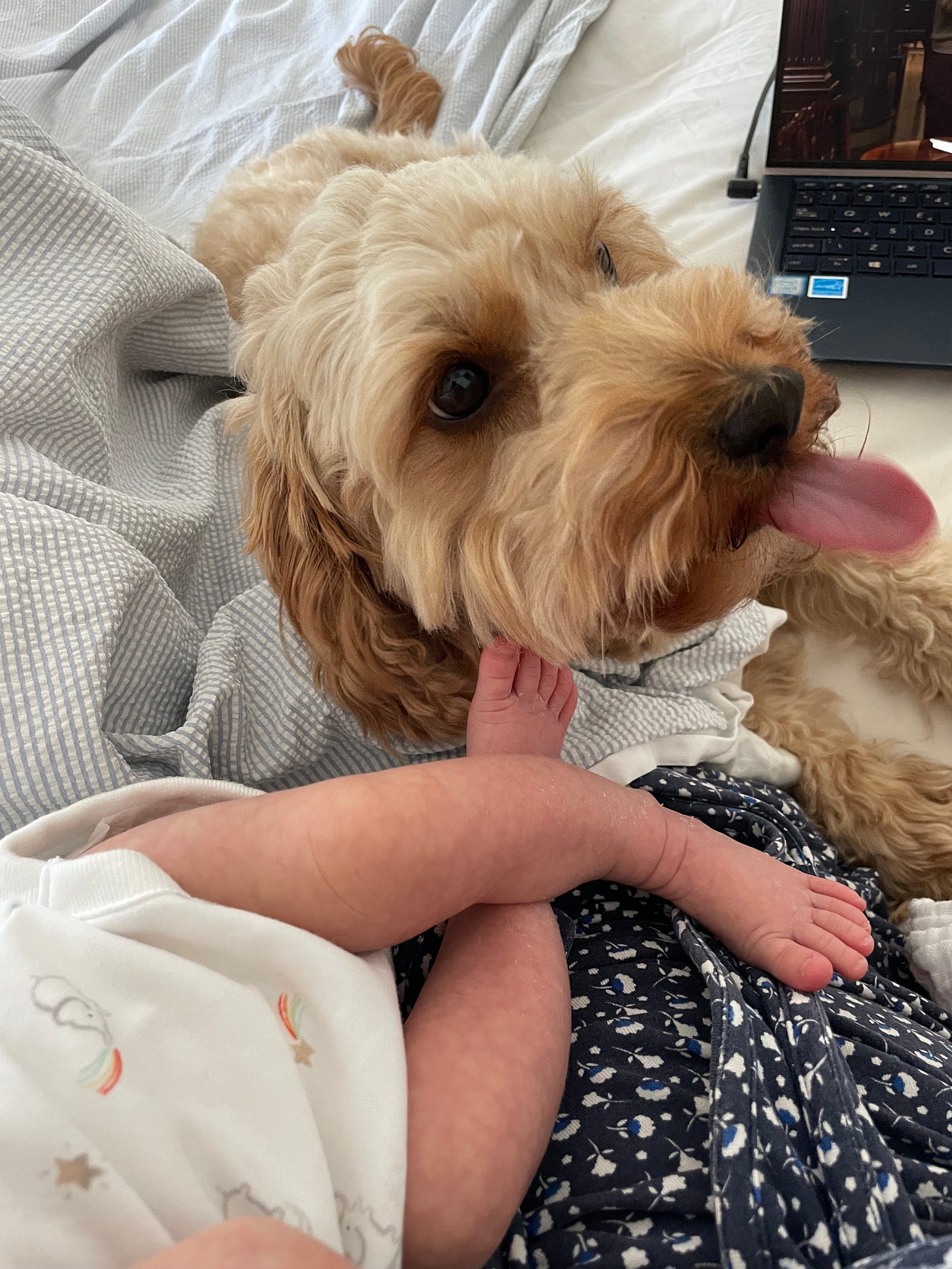
I see a dog who has gently made room for a baby.
I see a baby who is beginning to recognise the dog who has always been part of my life.
And I see myself somewhere in the middle of it all. Not the person I was before motherhood. Not entirely sure who I’m becoming yet. But happy. Tired, sometimes. Overwhelmed, occasionally. Grateful, often. And very aware that something rather beautiful has happened. I’ve created a little home full of love. It may be quiet. It may be unconventional. It may not look like the family I once imagined. But it is ours.
The three of us.