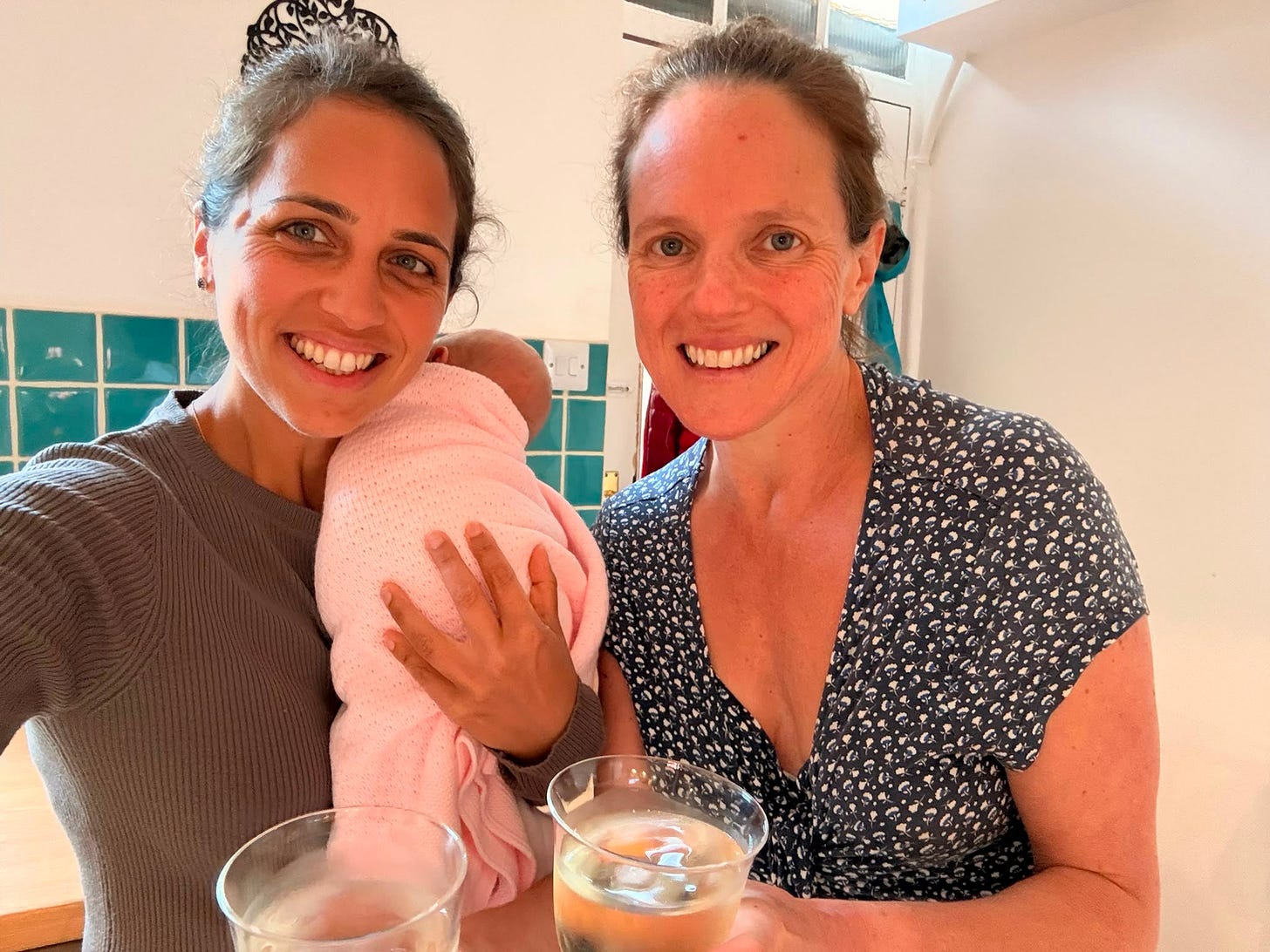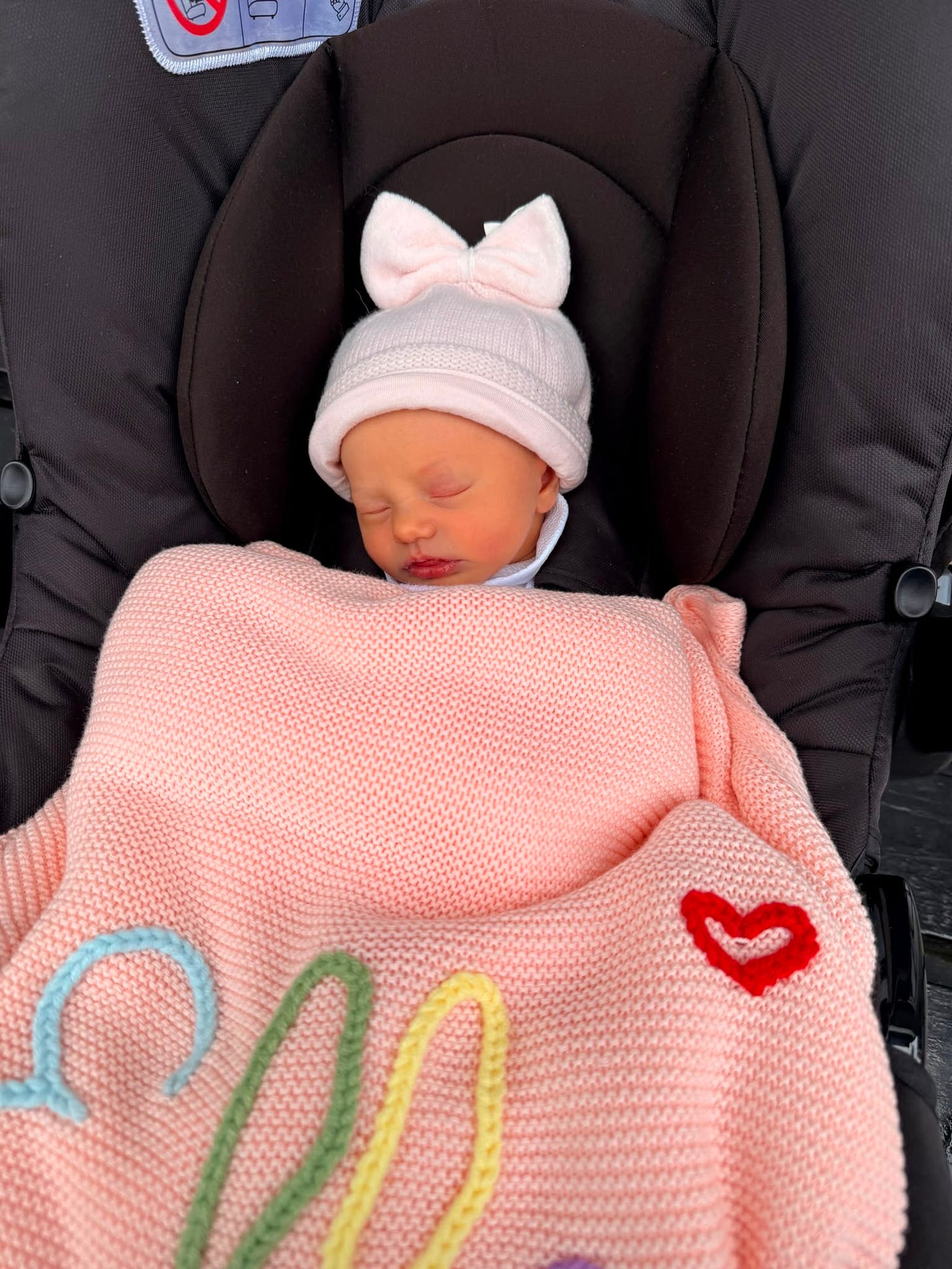
Four weeks ago, my world changed forever.
Well, almost four weeks. Ella is approaching that milestone now, and already it feels like she’s been here forever and no time at all. Life has become beautifully chaotic, wonderfully unpredictable, and somehow, despite the sleepless nights and the endless cycle of feeding, changing, cuddling and soothing, I’ve discovered a version of myself that I never knew existed.
Being a single postpartum mum wasn’t the picture I had always imagined, but it has become one of the greatest teachers of my life. People often ask how I’m coping, usually with a sympathetic smile and an expectation that I’ll say it’s incredibly hard. And yes, there are moments when exhaustion hits me like a wave. There are nights that blur into mornings, meals that go cold before I’ve had a mouthful, and days where tidying the house feels like an achievement worthy of celebration.
But there’s another side to this journey that deserves to be talked about more.
I’ve never felt stronger.
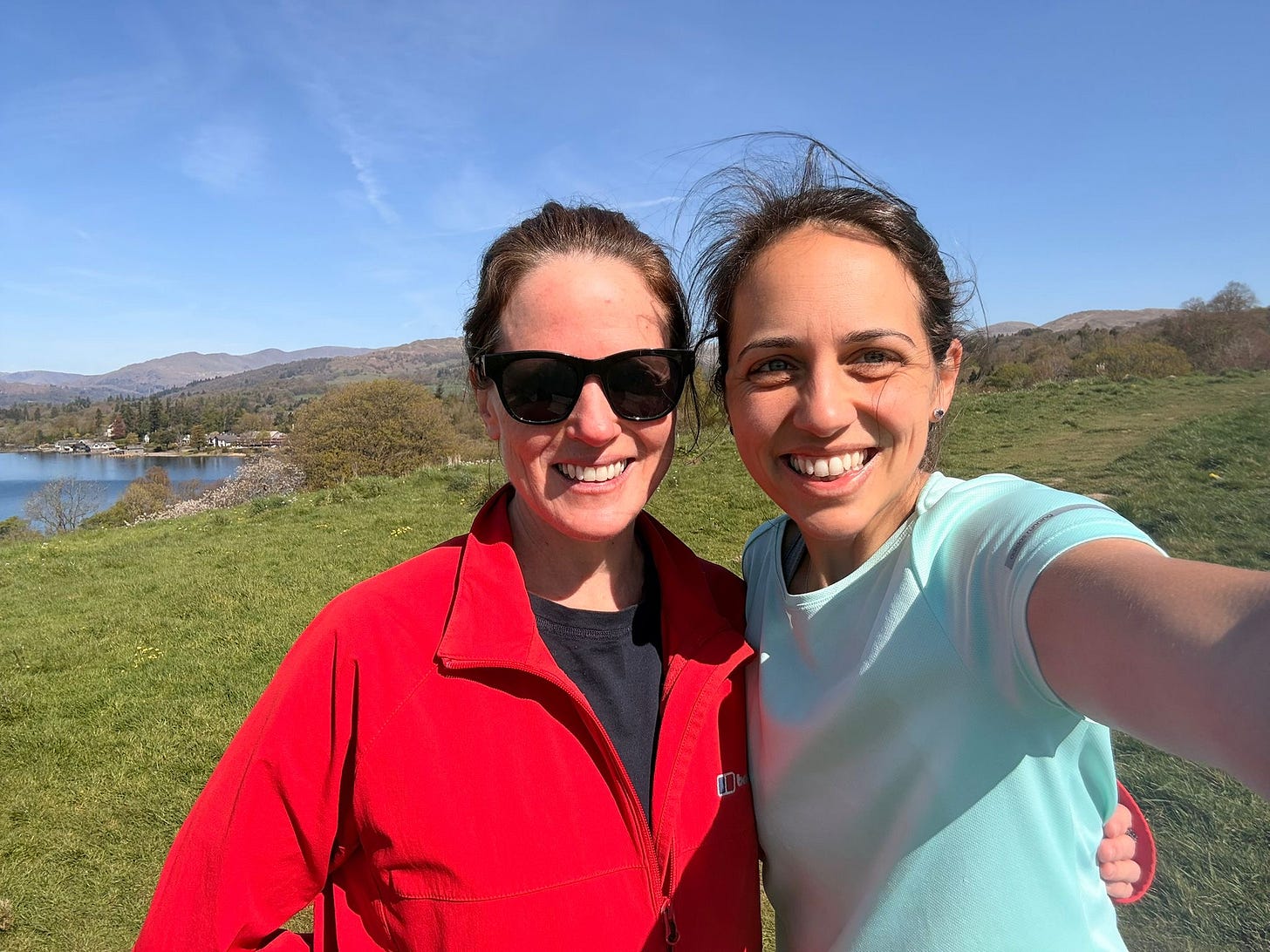
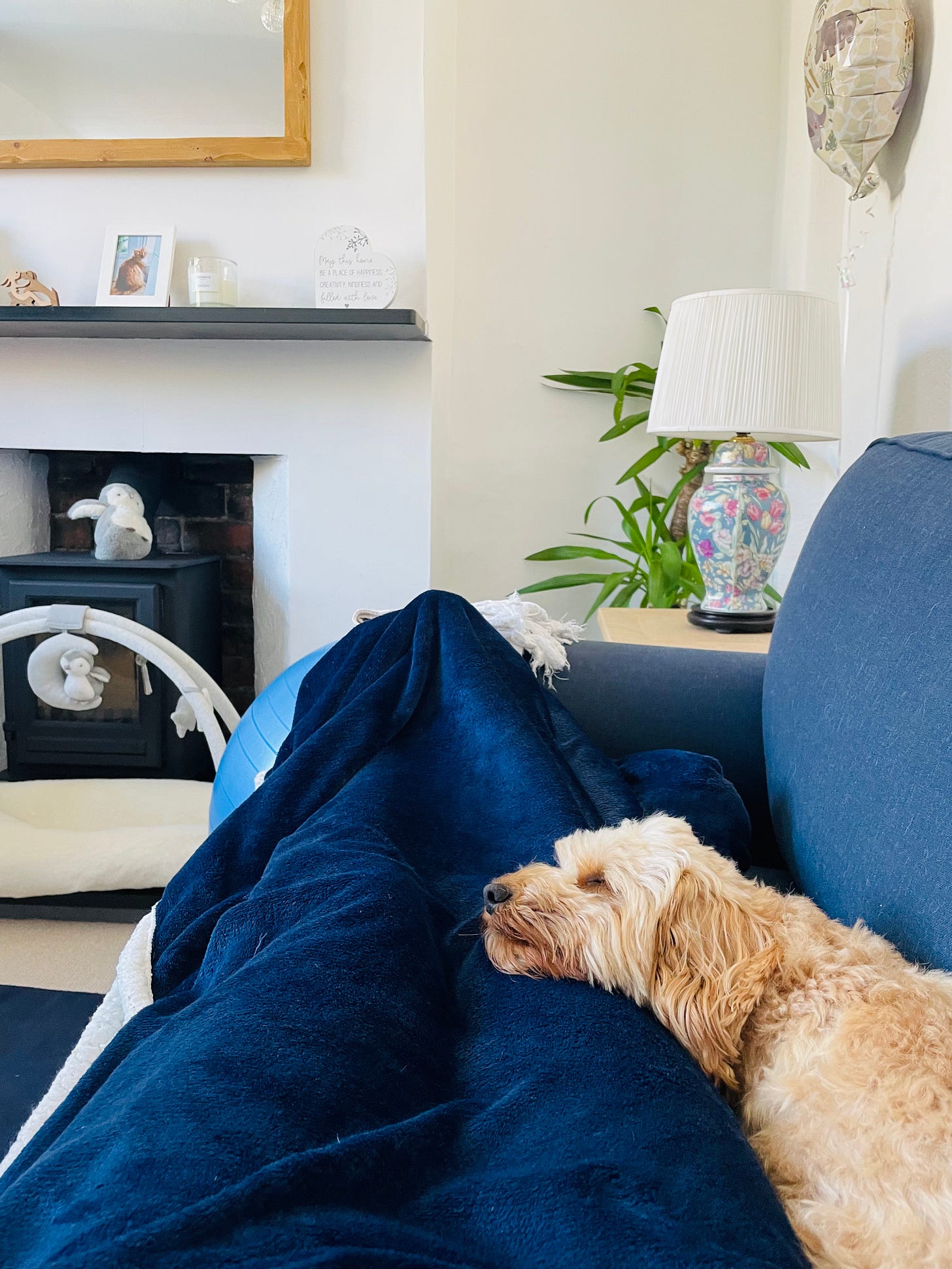
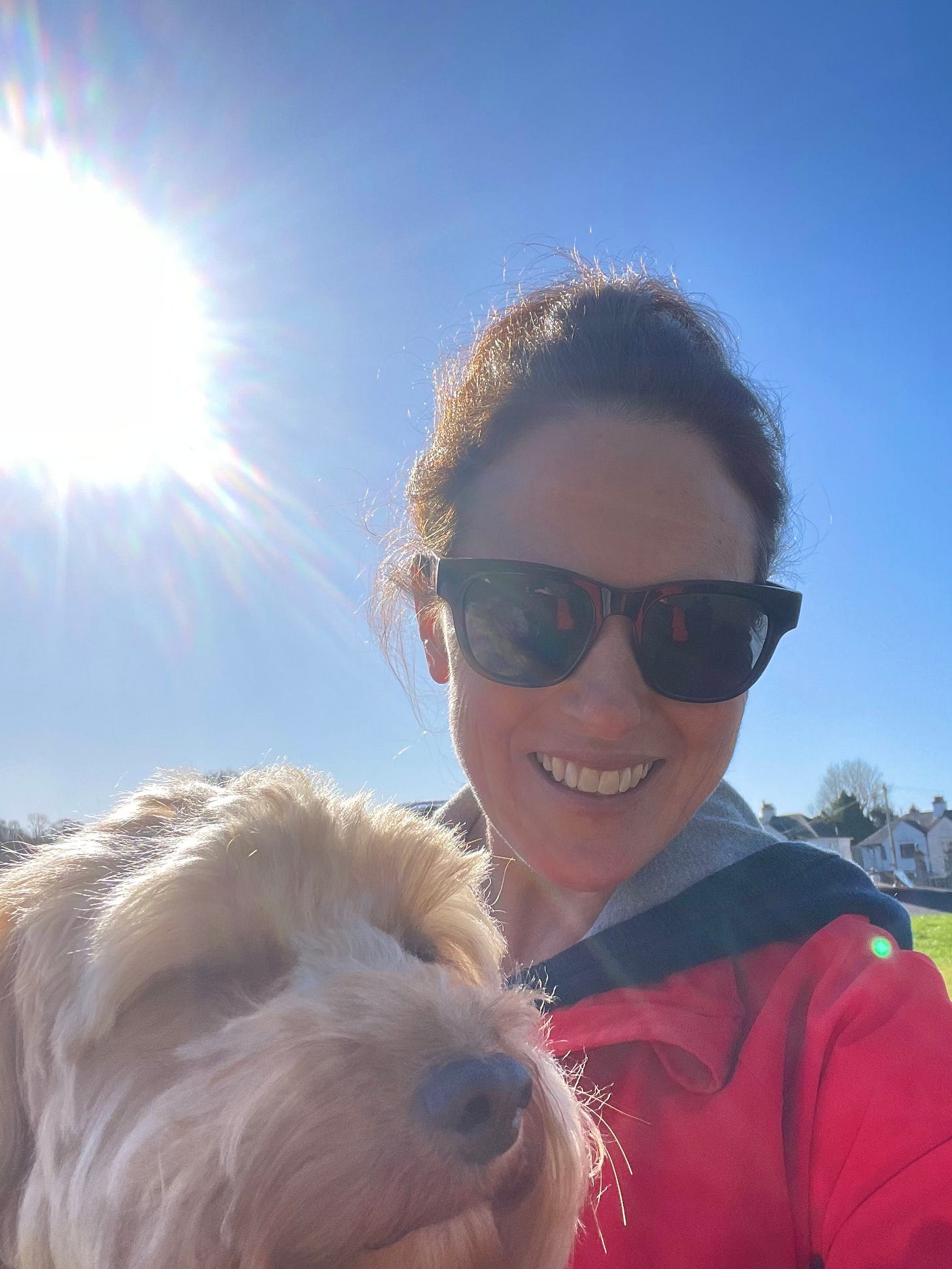
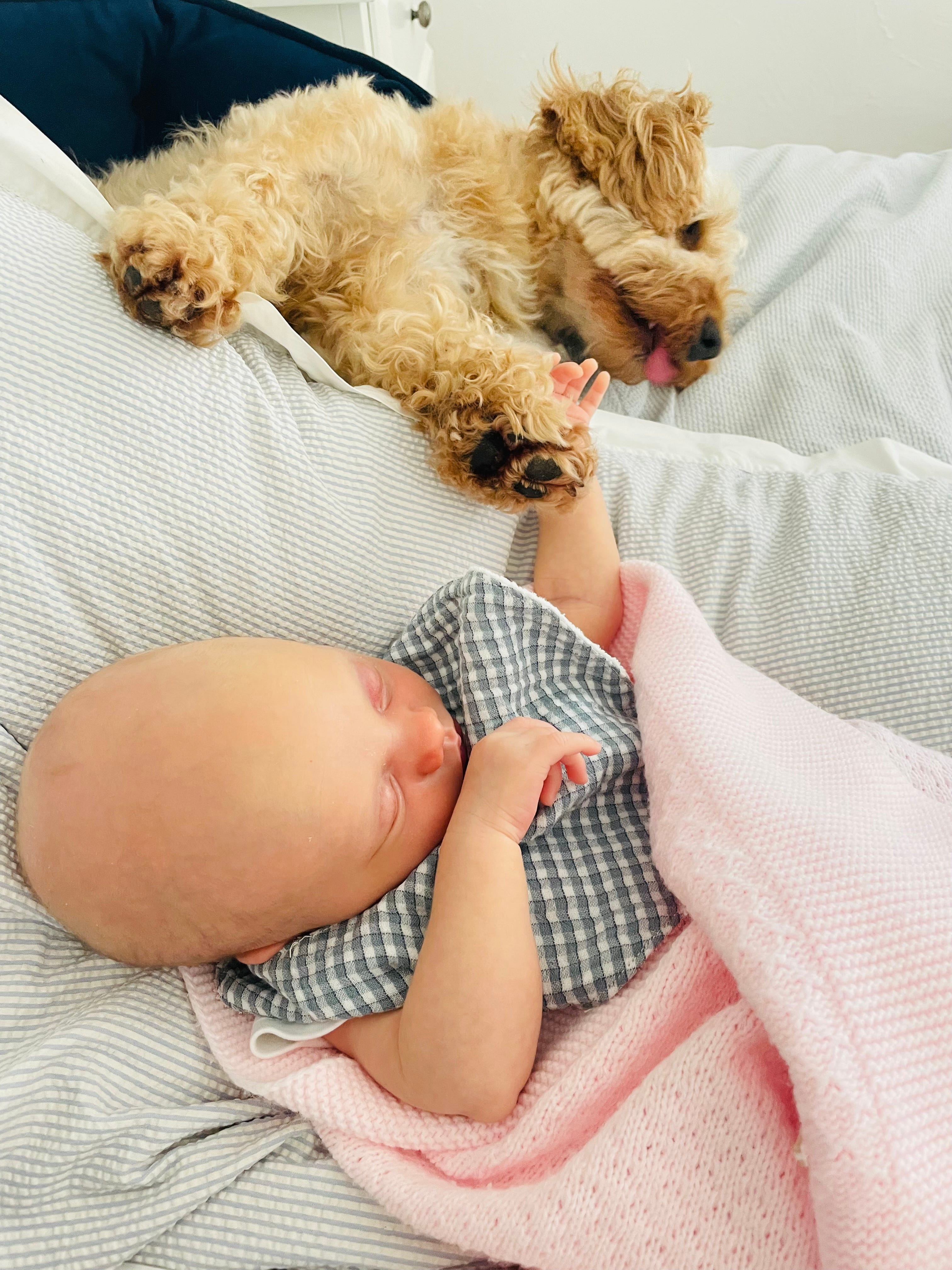
There’s something incredibly empowering about realising you’re capable of so much more than you ever believed. When it’s just you, your tiny baby and your faithful dog, you simply find a way. Amber has been the most gentle companion throughout this new chapter. She’s watched over Ella with curious eyes from day one, always close by, quietly accepting that she’s no longer the only baby in the house. On our walks together, with Ella peacefully tucked into the sling and Amber happily trotting alongside us, I find moments of calm amongst the whirlwind. Those walks have become therapy. Fresh air. Quiet trails. Little conversations with locals who stop to admire Ella. Amber sniffing every blade of grass as though it’s brand new. They’re simple moments, but they’ve become some of my favourites.
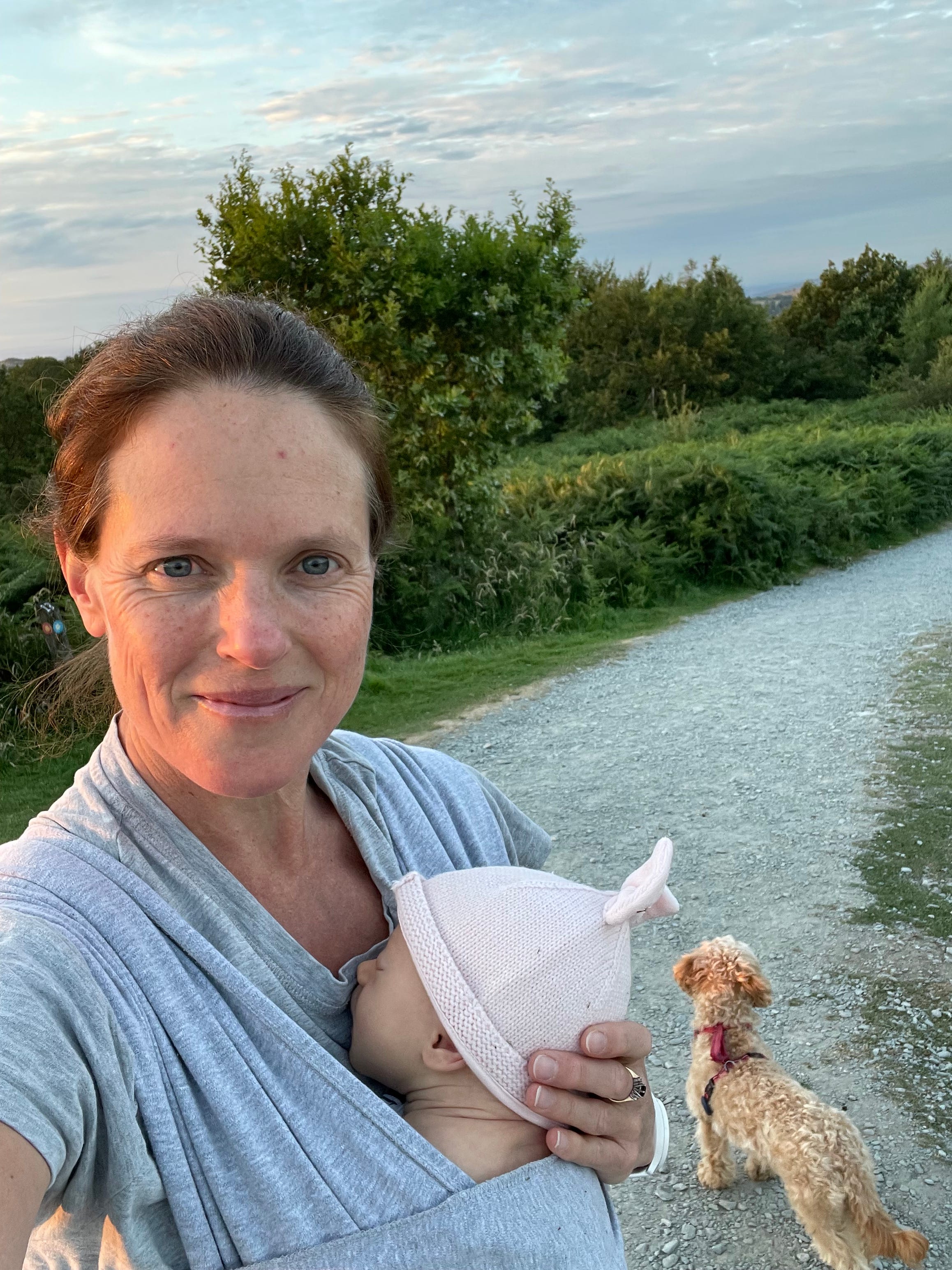
The biggest surprise has been discovering how productive I’ve still managed to be. No, productivity doesn’t look the same as it did before. My laptop sessions are often squeezed into nap times. Emails are replied to one-handed whilst feeding. Programmes are updated with Ella asleep on my chest. Client check-ins happen between nappy changes. Yet somehow, it’s working.
As a nutrition coach and personal trainer, I’ve slowly started supporting some of my clients remotely again. Not because I feel pressured to return to work, but because I genuinely love what I do. Helping others improve their health has always filled my cup, and returning in a way that fits around motherhood has reminded me that becoming a mum doesn’t mean losing the woman I was before. She’s still here. She’s just grown. If anything, motherhood has made me more empathetic, more patient and more understanding than ever. My clients aren’t getting a coach who’s trying to juggle life perfectly. They’re getting someone living through one of life’s biggest transitions, learning to embrace progress over perfection every single day. And perhaps that’s the greatest lesson of all.
Perfection doesn’t exist.
Some days the house is spotless. Other days there are muslins draped over every surface and washing waiting patiently in baskets. Some days I answer every message. Other days my phone stays untouched because all that matters is the tiny human asleep on my chest. Both days are enough.
The bond growing between Ella and I is just incredible. It’s in the way she settles the moment she hears my heartbeat. It’s in those sleepy stretches after a feed. It’s in the tiny fingers that instinctively wrap around mine and it’s in the moments she looks into my eyes, even though her little world is still blurry, somehow knowing I’m her safe place.
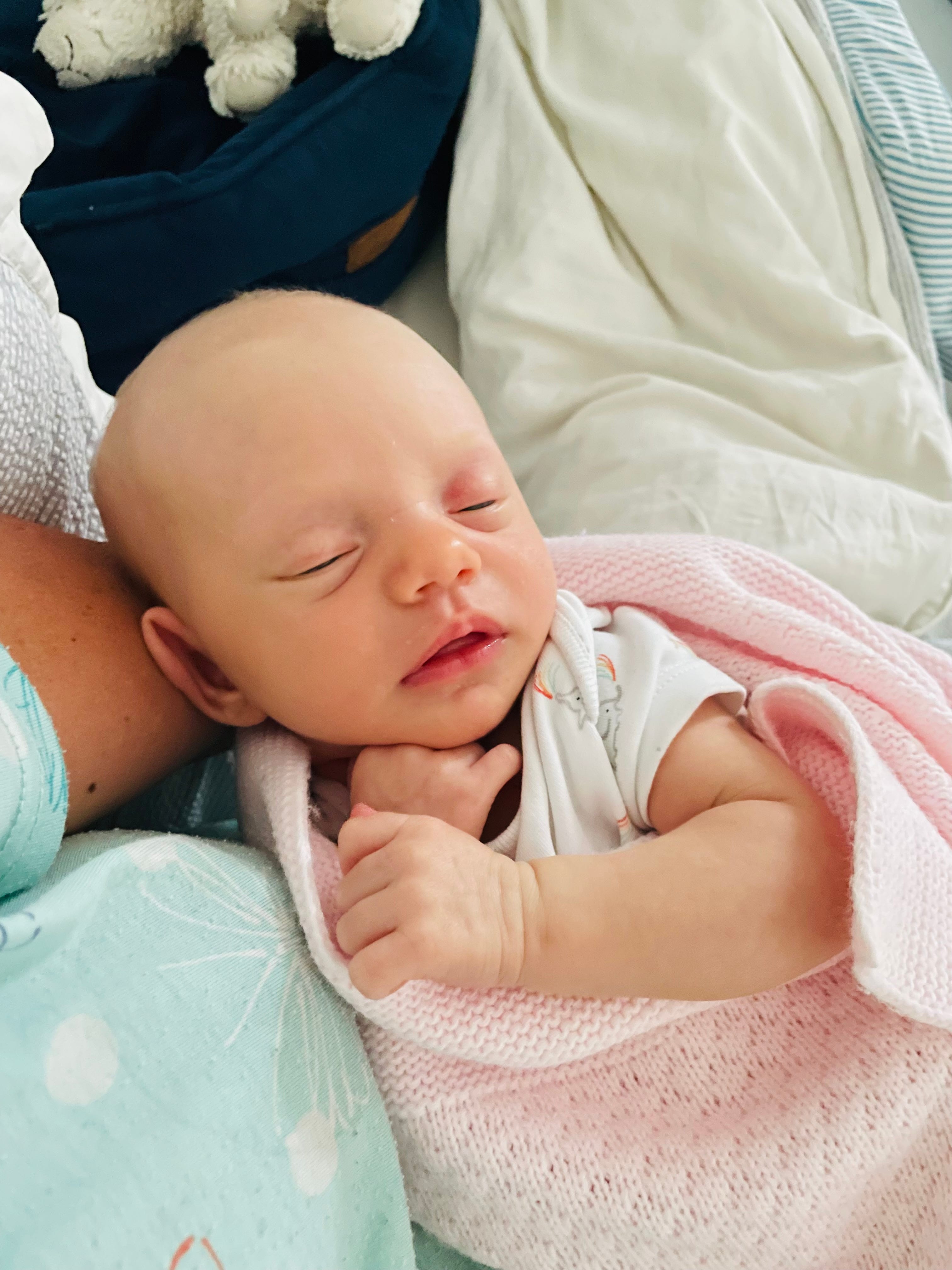
People say love grows after having a baby. They’re right. But they never quite explain just how deep that love runs. It’s overwhelming in the most beautiful way. Every day I learn something new about her. The little noises she makes before she wakes. The expressions she pulls whilst dreaming. The content sigh after a feed. Her determination already shining through in the smallest of ways.
These moments won’t last forever, and although some days feel long, I know I’ll blink and they’ll be memories. That’s why I’m trying to soak up every cuddle. Every contact nap. Every 3 a.m. feed. Every smile that’s almost a smile. Because these are the foundations of our story together. One that belongs entirely to us.
Looking ahead, we’re already beginning to dream about our first little adventure together. Scotland is relatively new territory for us and not so far from Windermere on the train. I can’t stop imagining the three of us exploring it together. Me, Ella and Amber. Long walks through forests. Cosy cafés after crisp morning strolls. Quiet lochs reflecting mountain skies. Wrapping Ella up in warm layers while Amber runs excitedly along new paths.
It won’t be glamorous. There will probably be unexpected nappy changes, feeds on picnic benches and plenty of stopping to soothe a little one who decides she’s had enough of travelling. And that’s okay. Because the destination isn’t really the point. It’s the memories we’ll create along the way.
This season of life has taught me that strength isn’t about doing everything alone without emotion. Strength is asking for help when needed, celebrating the small victories, trusting yourself, and continuing to move forward even when you’re tired. It’s choosing joy amongst the chaos. It’s laughing when plans change. It’s giving yourself grace. It’s believing that you are enough for your child.
Nearly four weeks into motherhood, I’m still learning every single day. I’m learning that love can exist alongside exhaustion. That confidence grows through experience. That resilience is built in ordinary moments. That home isn’t a place - it’s the feeling created when Ella falls asleep safely in my arms, while Amber curls up beside us. Our little family of three might not look like everyone else’s, but it is full of love, warmth, smiles and hope. And honestly? I wouldn’t change a thing.
Here’s to many more adventures, countless cuddles, sleepy smiles, muddy paws, remote client check-ins, coffee-fuelled mornings, and making memories that will last a lifetime. Just me, my beautiful girl, and our loyal little dog. Our story is only just beginning 💕