When I was pregnant with Ella, people told me a lot of things about motherhood. They told me to sleep while I could. They told me life would never be the same. They told me about nappies, feeding schedules, sleepless nights and the overwhelming love I would feel for my baby. Some of it was helpful. Some of it was cliché. Most of it came from a place of kindness. But now, standing on the other side of pregnancy and birth, there is one thing I wish someone had told me.
Motherhood doesn’t make sensitive women weaker. It reveals just how strong they already are.
For years, sensitivity has been misunderstood. Many of us grew up believing it was something to manage. Something to hide. Something that made us too emotional, too thoughtful, too affected by the world around us. We became experts at second-guessing ourselves. Experts at apologising for needing quiet. For feeling deeply. For noticing things other people seemed able to ignore. Yet motherhood has completely changed the way I view my sensitivity. Because what no one tells sensitive women is that many of the traits we’ve spent our lives trying to minimise become some of our greatest strengths as mothers.
The ability to notice.
The ability to anticipate.
The ability to tune into subtle changes.
The ability to empathise.
The ability to create emotional safety.
These aren’t weaknesses. They’re gifts. And motherhood has helped me see that more clearly than ever. That doesn’t mean becoming a mother has been easy. Far from it. In many ways, it has been one of the most emotionally intense experiences of my life. Because highly sensitive women don’t simply experience change. We absorb it. We feel the weight of transitions. We notice every shift. We process every layer. And motherhood is one giant transition. Almost overnight, everything changes. Your body, routines, priorities, relationships. Your identity. Even your relationship with time feels different. The days become longer. The weeks become shorter. And somehow life feels both slower and faster all at once.
What surprised me most wasn’t the practical adjustment. It was the emotional one. No one tells you that joy and grief often arrive together. That you can be profoundly grateful and deeply overwhelmed in the same moment. That you can love your baby more than you thought possible while simultaneously missing parts of the life that existed before they arrived. For a long time, I thought these feelings contradicted each other. Now I understand they simply coexist.
One of the biggest lessons motherhood has taught me is that two things can be true at once. I can adore this chapter and find it challenging. I can feel confident one day and uncertain the next. I can feel exhausted and grateful. Overwhelmed and happy. Vulnerable and strong.
The highly sensitive mind often searches for certainty. For clear answers. For neat conclusions. Motherhood offers very few of those. Instead, it asks us to become comfortable with complexity. To trust ourselves when there isn’t a perfect answer. To make decisions with incomplete information. To accept that uncertainty is part of the experience. And perhaps that has been one of the most unexpected areas of growth for me. Because if you’ve followed this series from the beginning, you’ll know that my path to motherhood wasn’t straightforward. There were years of denial then waiting and finally hoping. Years of learning patience in ways I never wanted to. There were moments when becoming a mother felt impossibly far away. Moments when I wondered whether it would happen at all. Those experiences shaped me. But they also prepared me. Not for the practical realities of motherhood. No one can fully prepare you for those. But for the emotional realities. For the surrender. For the trust. For the understanding that some of life’s most meaningful experiences unfold on timelines we cannot control.
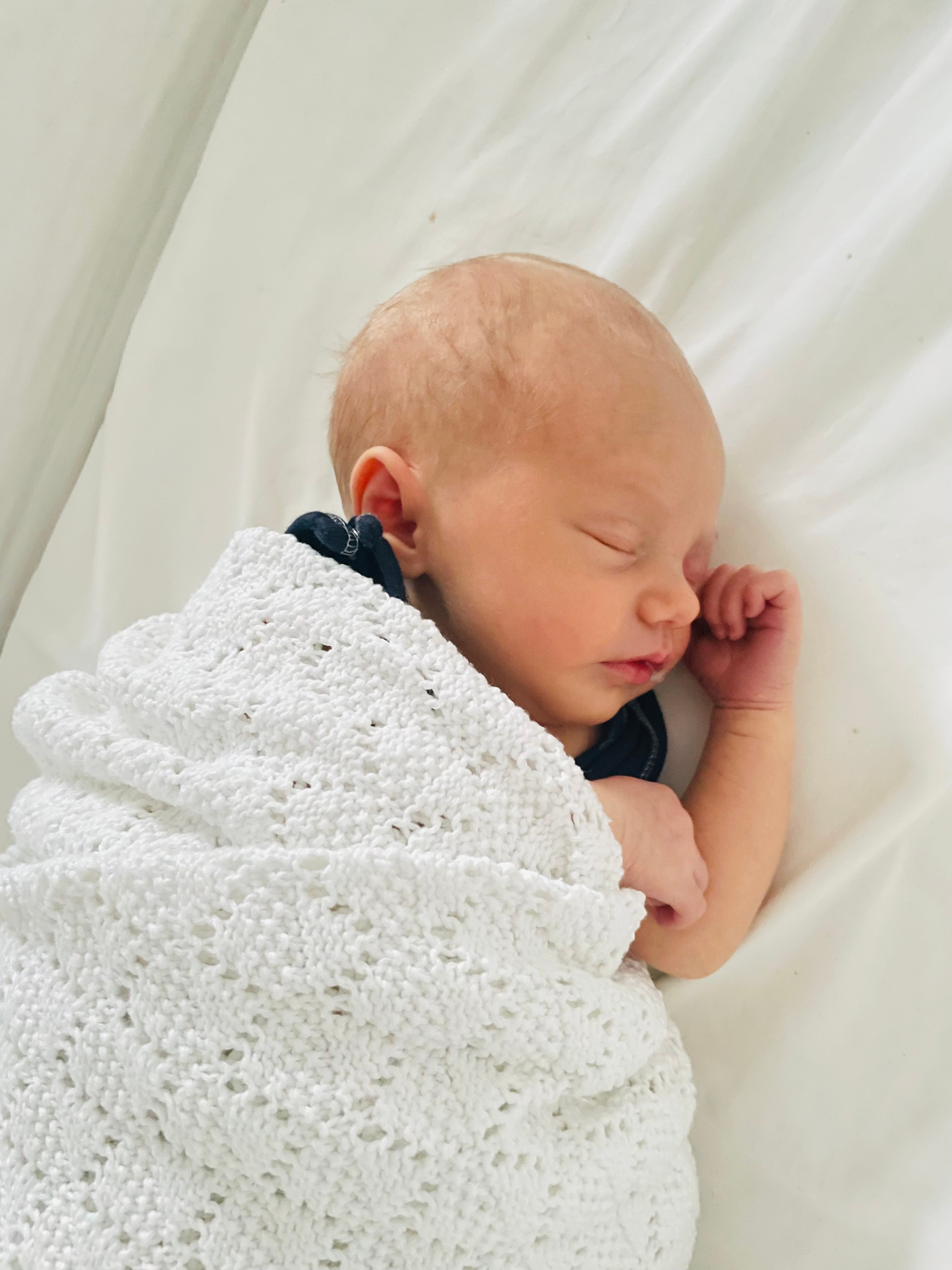
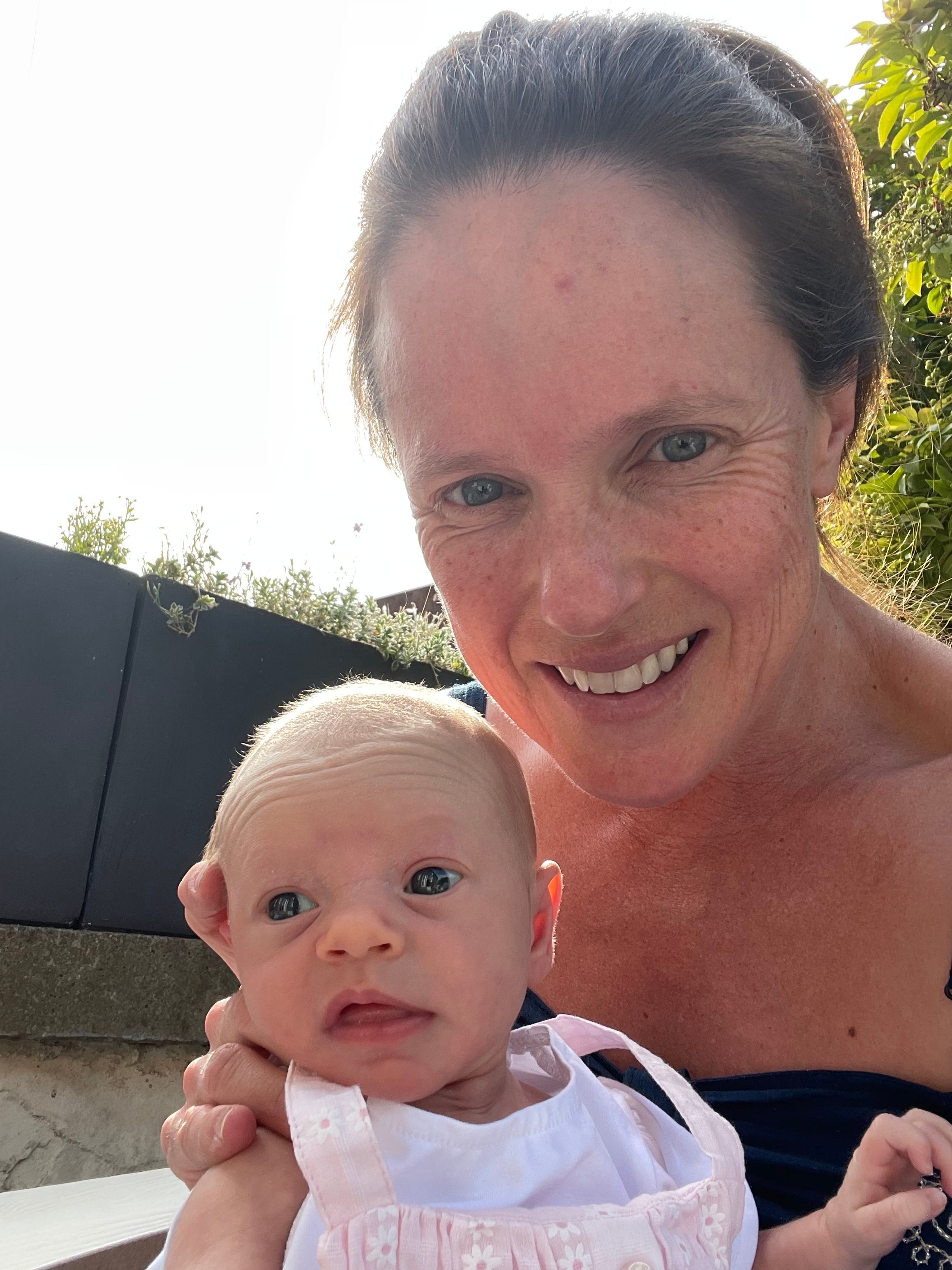
Now, when I look at Ella sleeping beside me, I sometimes think about all the versions of myself that existed before her. The younger woman desperately trying to control everything and the woman learning to trust her body during pregnancy. Each version thought she was becoming something. None of them realised exactly what. Motherhood wasn’t a destination waiting at the end of the road. It was another stage of becoming. And I suspect that process never really ends.
Because what no one tells sensitive women is that motherhood doesn’t suddenly make you feel like an adult who has everything figured out. If anything, it humbles you. Every day presents new questions. New decisions. New opportunities to doubt yourself. And new opportunities to trust yourself too. The confidence I’ve gained as a mother hasn’t come from having all the answers. It has come from discovering that I can handle not having them. That I can learn, adapt, adjust. Try again. That I can trust my instincts even when they’re imperfect. That I can show up without certainty. That I can be enough exactly as I am.
And perhaps that is the lesson I hope other highly sensitive women take from this.
You do not need to become less sensitive to become a good mother.
You do not need to harden yourself.
You do not need to stop feeling deeply.
You do not need to become someone else entirely.
Click here to buy me a coffee and keep me fuelled for writing as a new mum! ☕️
The qualities that have sometimes felt difficult to carry may become some of your greatest strengths. Your empathy, intuition, awareness. Your compassion. Your ability to notice what others miss. These qualities matter. Your child will not need a perfect mother. They will need a present one. A connected one. A mother who is willing to learn alongside them. A mother who apologises when she gets things wrong. A mother who models self-compassion and a mother who understands that emotions are not problems to solve but experiences to move through.

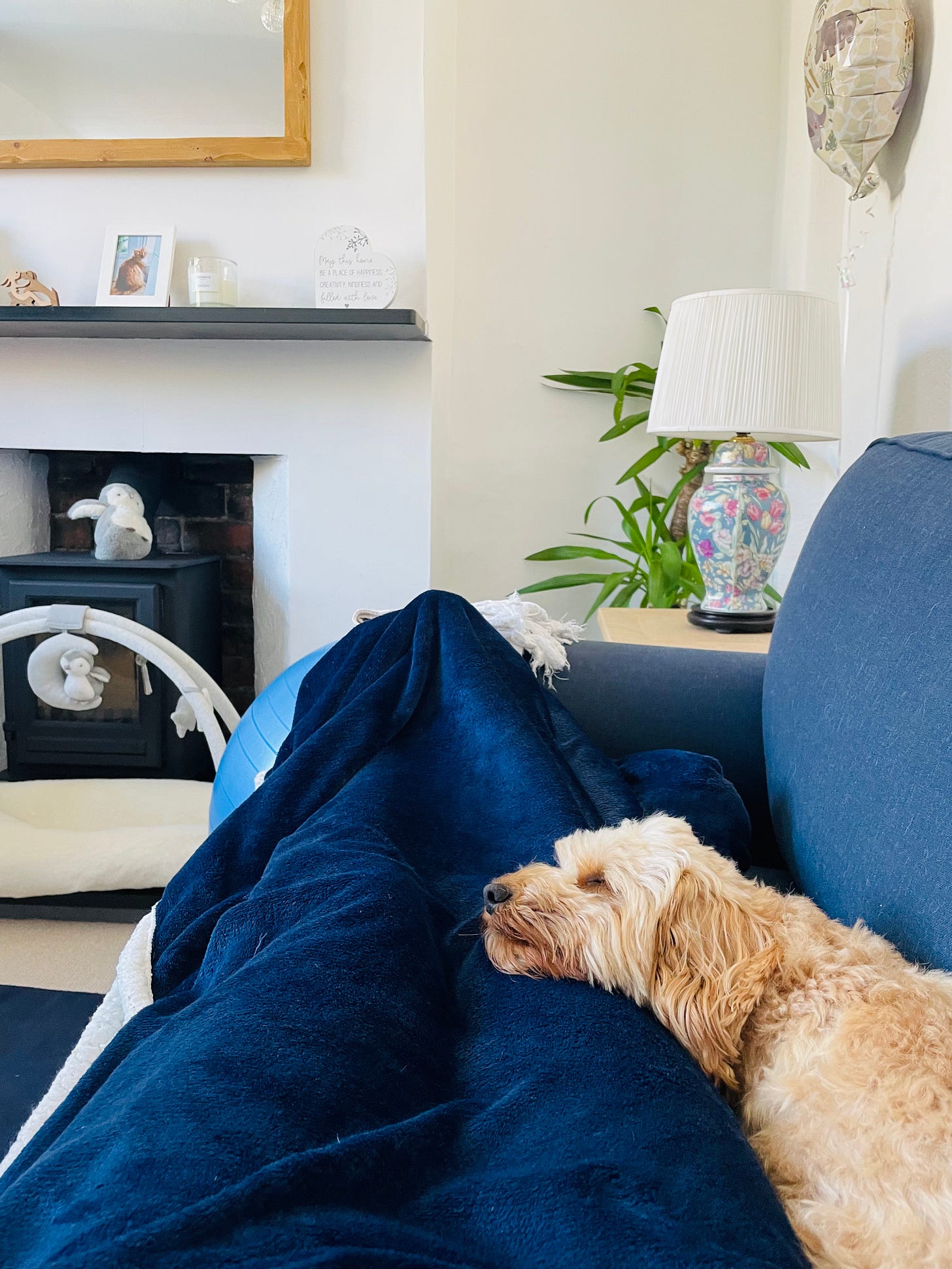
As I write this, Ella is sleeping peacefully and Amber is lying nearby, keeping watch as she always has. The house feels different now. Fuller and a little louder but more meaningful. The routines I’ve known for years have changed. The future I imagined has arrived. And while there are still moments when I feel uncertain, there is one thing I know for sure. Becoming a mother hasn’t diminished who I am. It has expanded me. Not by removing my sensitivity. But by teaching me to trust it. And perhaps that’s what no one tells sensitive women about motherhood. The thing you’ve spent years trying to manage may be the very thing that helps you navigate it. Your sensitivity was never something that needed fixing. It was always something that needed understanding. Motherhood didn’t change that. It simply showed you the truth of it.
So if you’re a highly sensitive woman standing at the beginning of this journey, wondering whether you’re strong enough, resilient enough or capable enough, I hope you hear this.
You do not need to become someone else to be a good mother. You already carry so much of what motherhood requires. Not despite your sensitivity. Because of it. And that may be the most beautiful surprise of all.