There’s something about motherhood that changes your relationship with your body. Growing a baby is incredible, but once they’re here, there’s often this quiet expectation that you’ll somehow “bounce back.” For me, it hasn’t been about bouncing back at all. It’s been about moving forward - slowly, kindly, and with a lot more appreciation for what my body has achieved.
Since having my daughter, Ella, I’ve been focusing on getting back to my pre-pregnancy weight, but not through crash diets or punishing workouts. Instead, I follow healthy habits that I know I can stick with for life. Every day won’t be perfect, and I’ve learned over the years that’s completely okay. But already I’m just 1.5kg away from my starting weight and I’ve been eating a lot! Breastfeeding really ramps up appetite but it also burns a lot of calories too. Getting the balance between calories in versus calories out is the bottom line when it comes to weight loss. This is what I help women navigate, especially with staying in shape during pregnancy and then feeling better about their bodies afterwards.
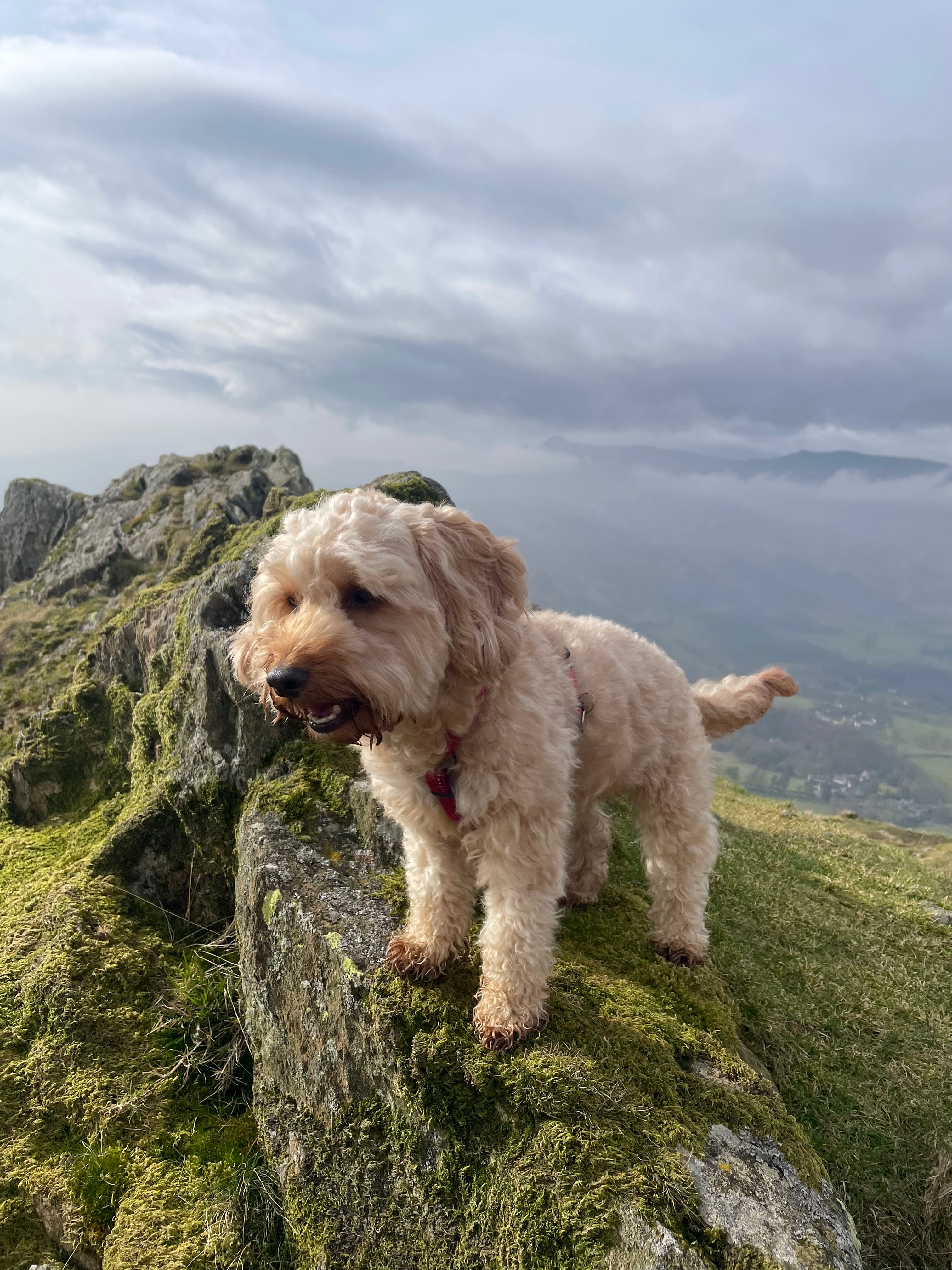
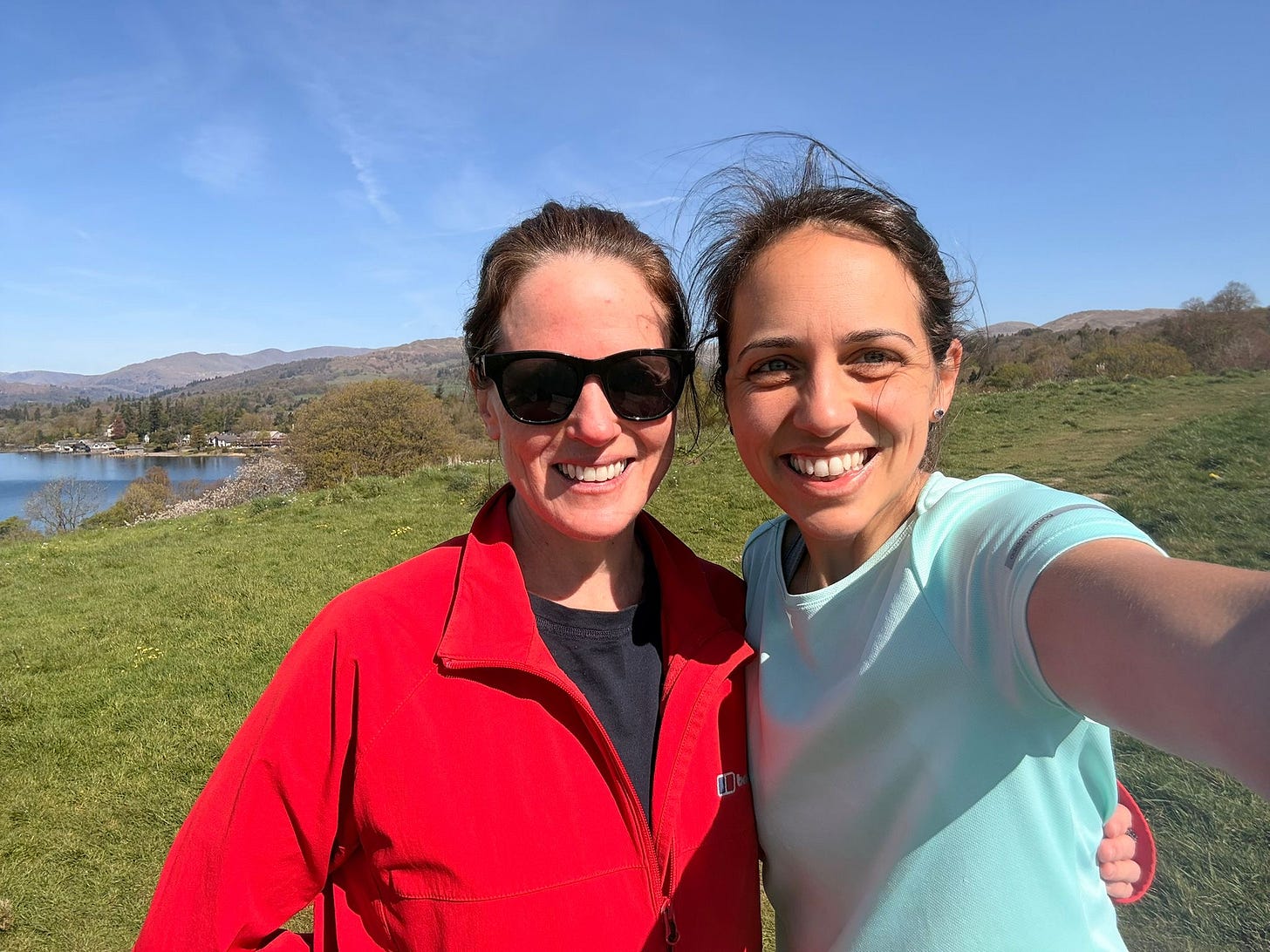
One of the biggest habits that’s made a difference during and after pregnancy is simply walking. Living in the Lake District means I’m surrounded by some of the most beautiful scenery imaginable, and although I definitely don’t take it for granted, I’ve started seeing it with fresh eyes. My goal is 12,000 steps a day. Some days I hit it comfortably, other days I have to squeeze in an extra evening walk, but having that target gives me something positive to work towards.
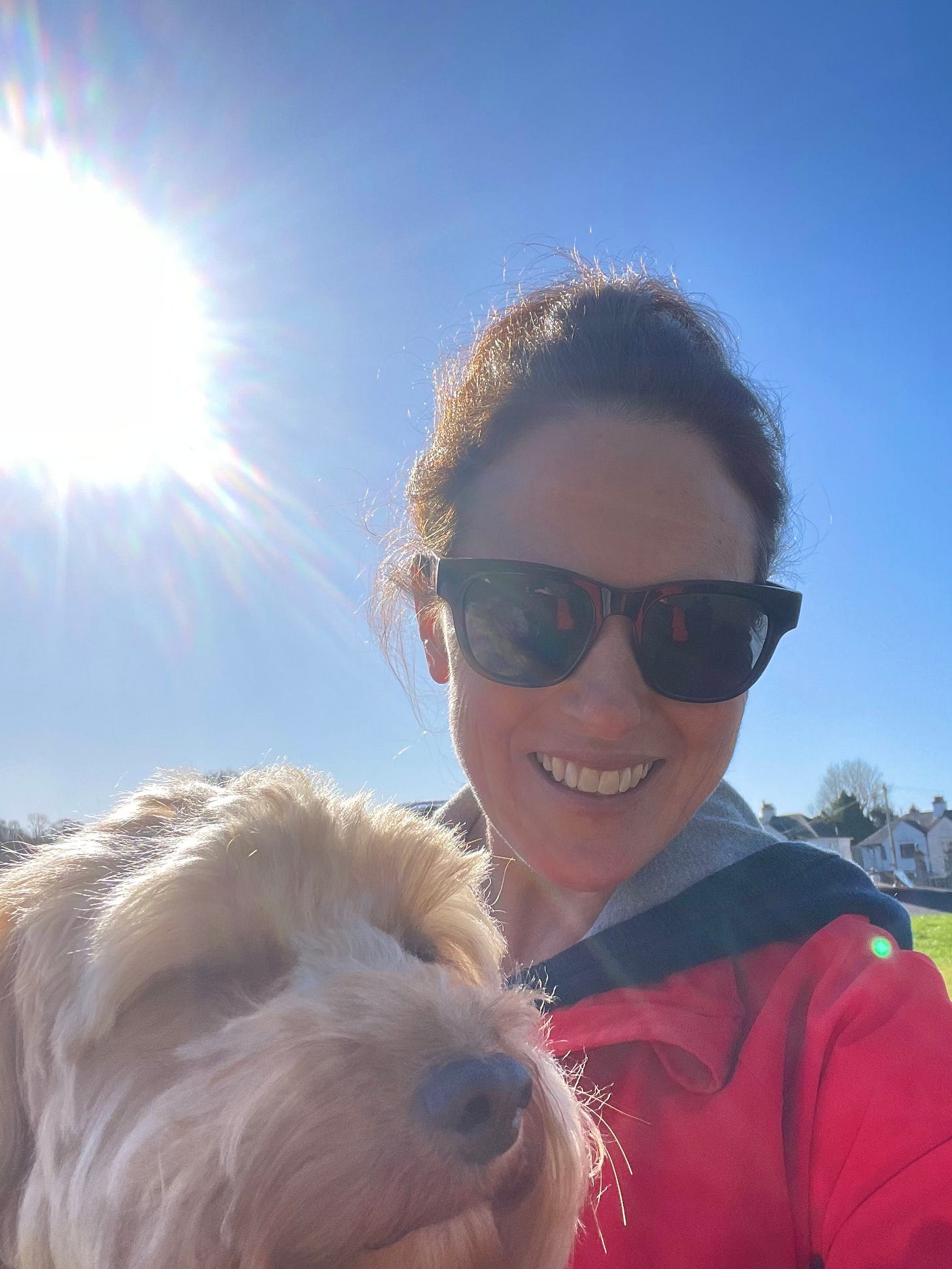
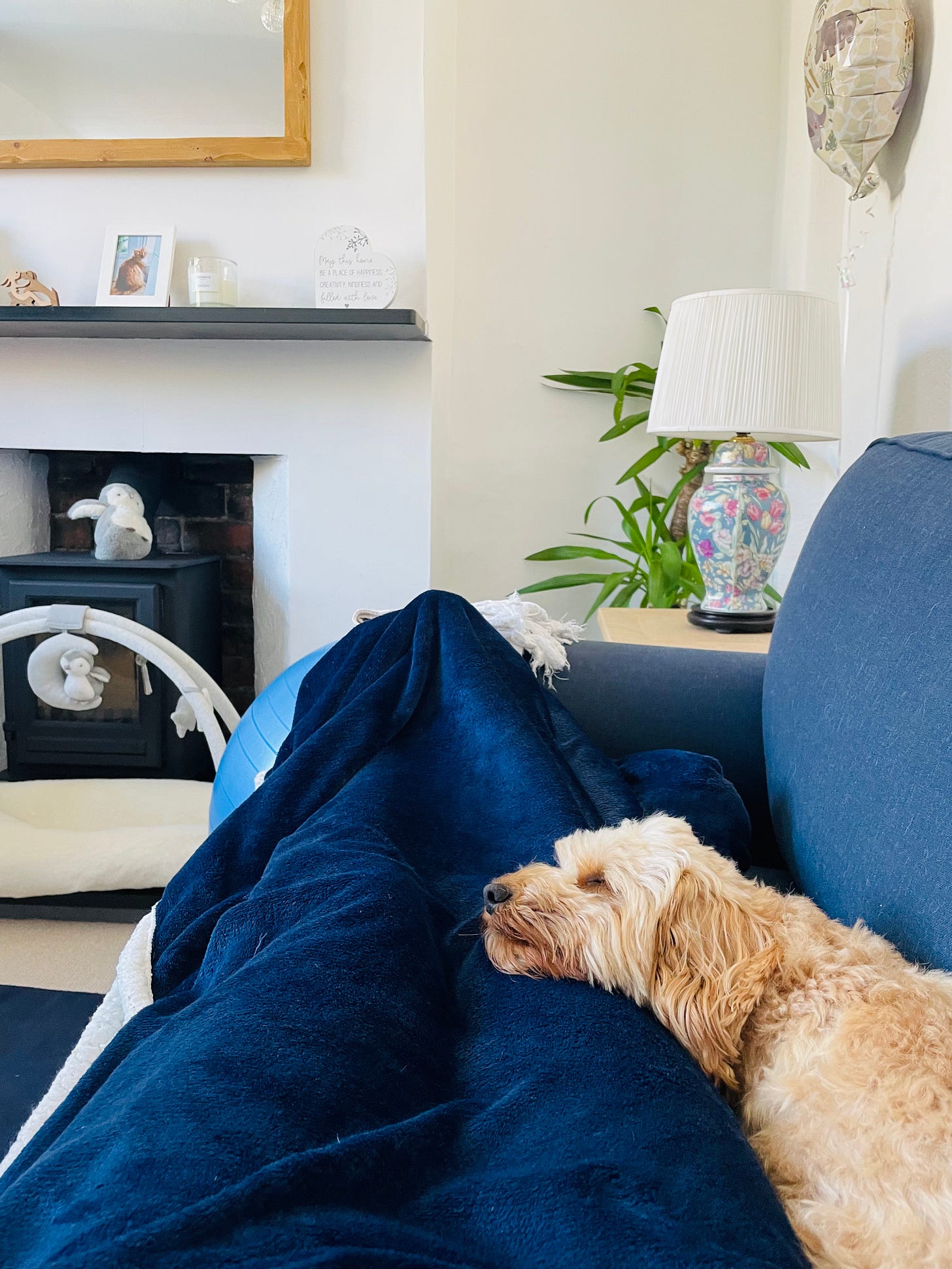
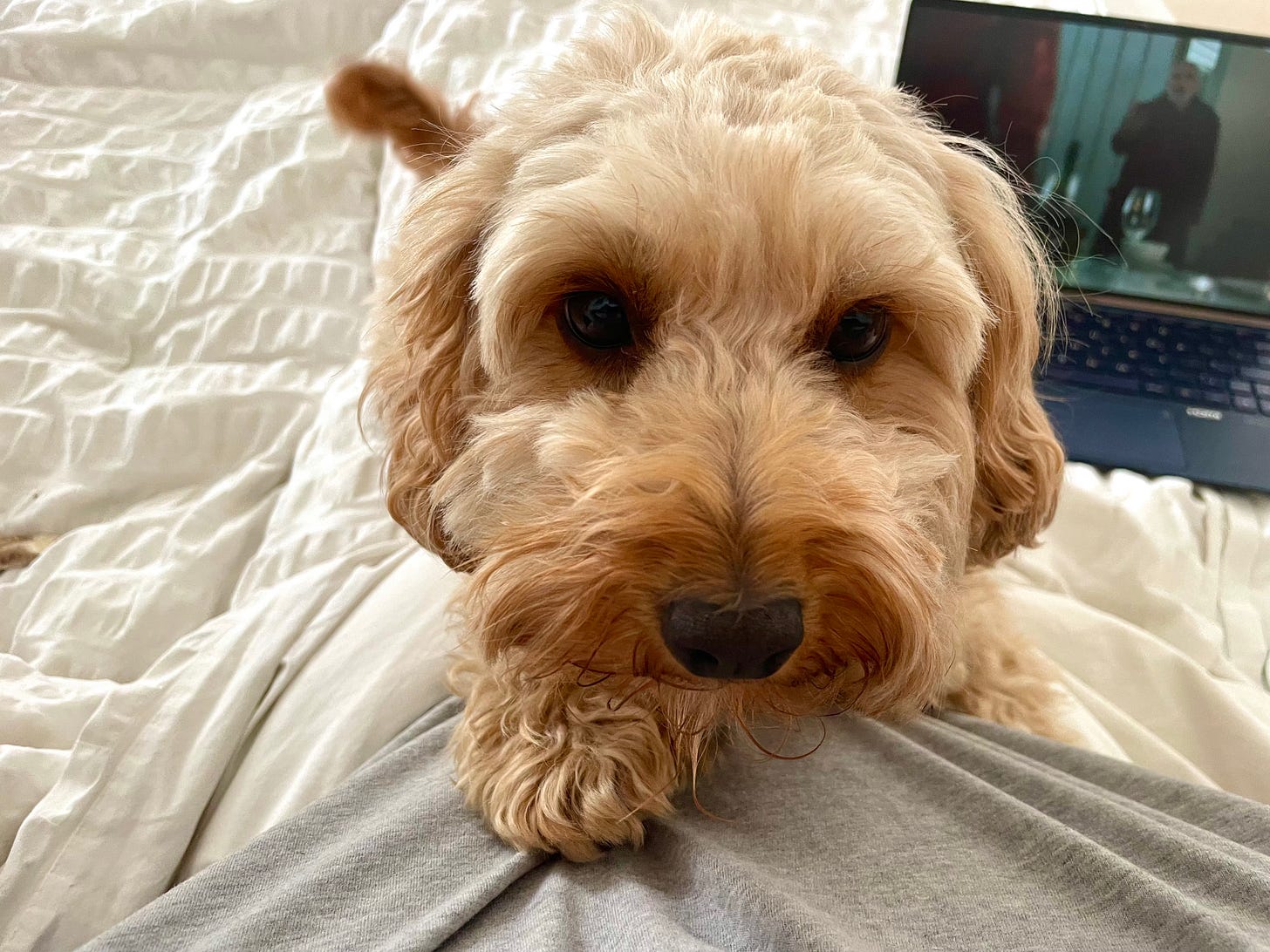
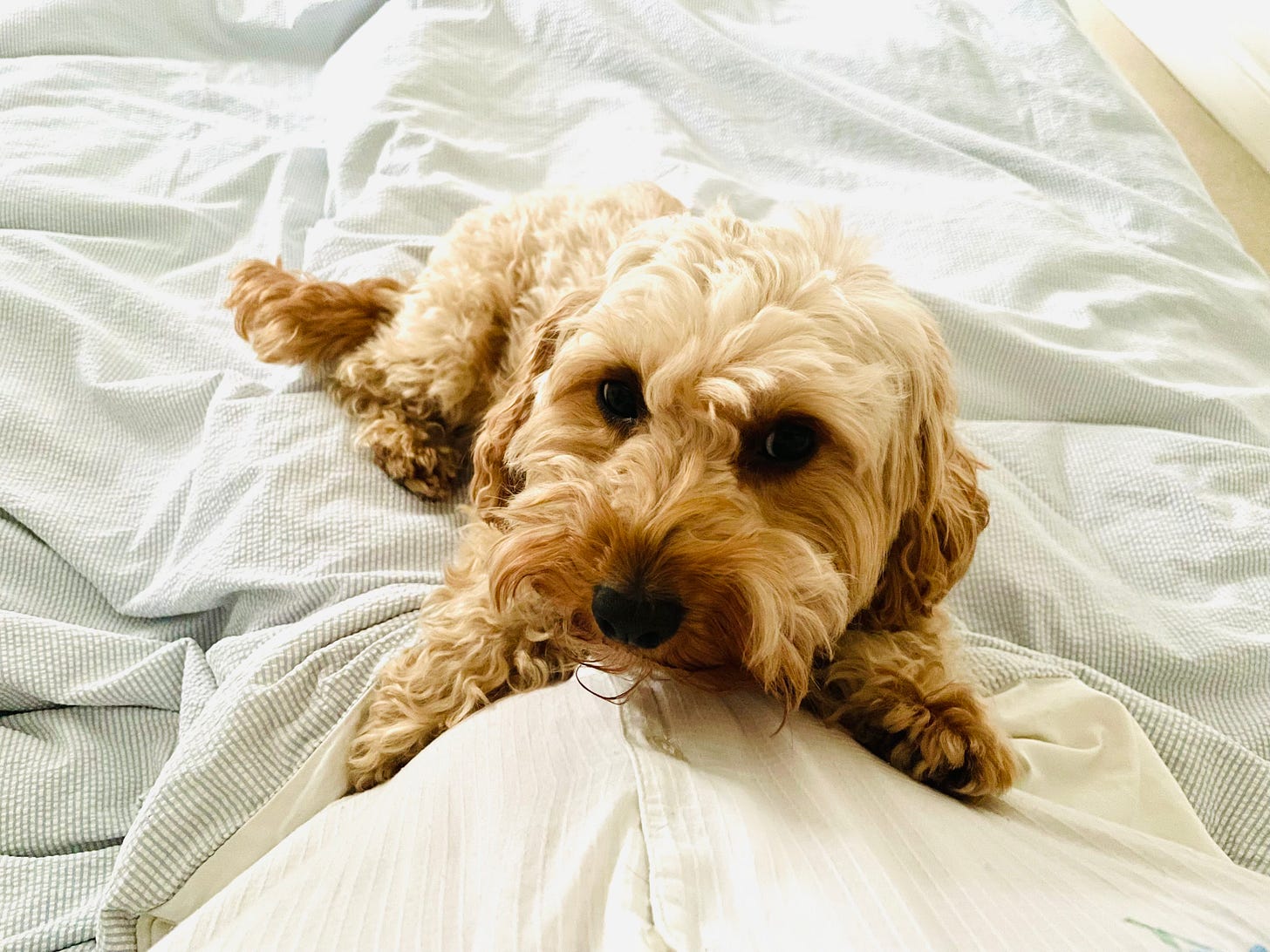
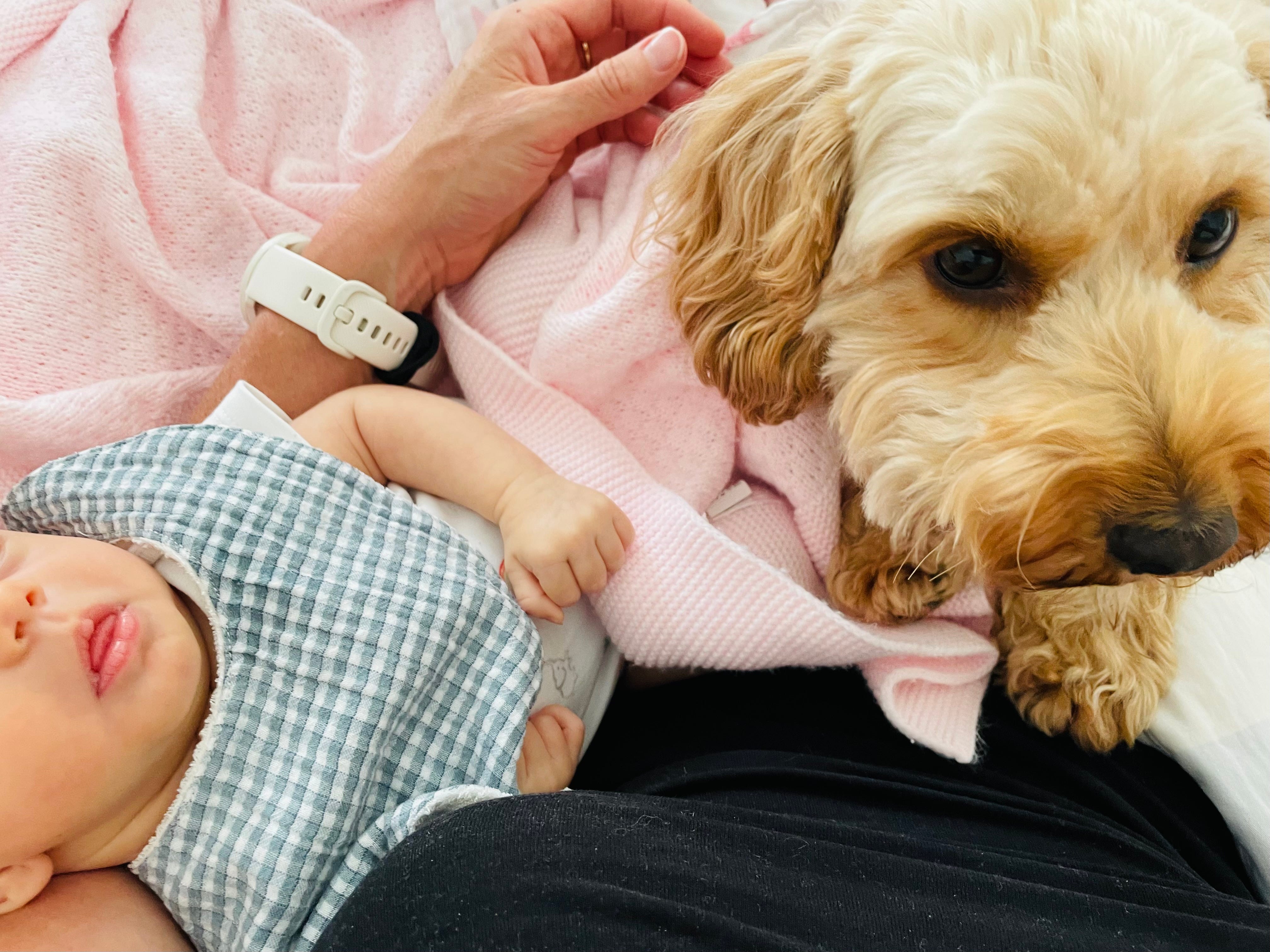
Those walks are never lonely. My dog Amber is right beside me, tail wagging with endless enthusiasm, reminding me that getting outside is always worth it. Now Ella is with us too, happily snoozing or watching the world go by in the sling. It’s funny how much slower life becomes with a baby. You notice the changing scenery, stop to watch wildlife, admire flowers, or simply enjoy a few peaceful moments in the fresh air.
Walking is so much more than burning calories. It’s my headspace. It’s where I process difficult days, celebrate little wins, and remind myself that progress doesn’t always have to be dramatic. Food has changed a little too. Now, I know that looking after Ella starts with looking after myself.
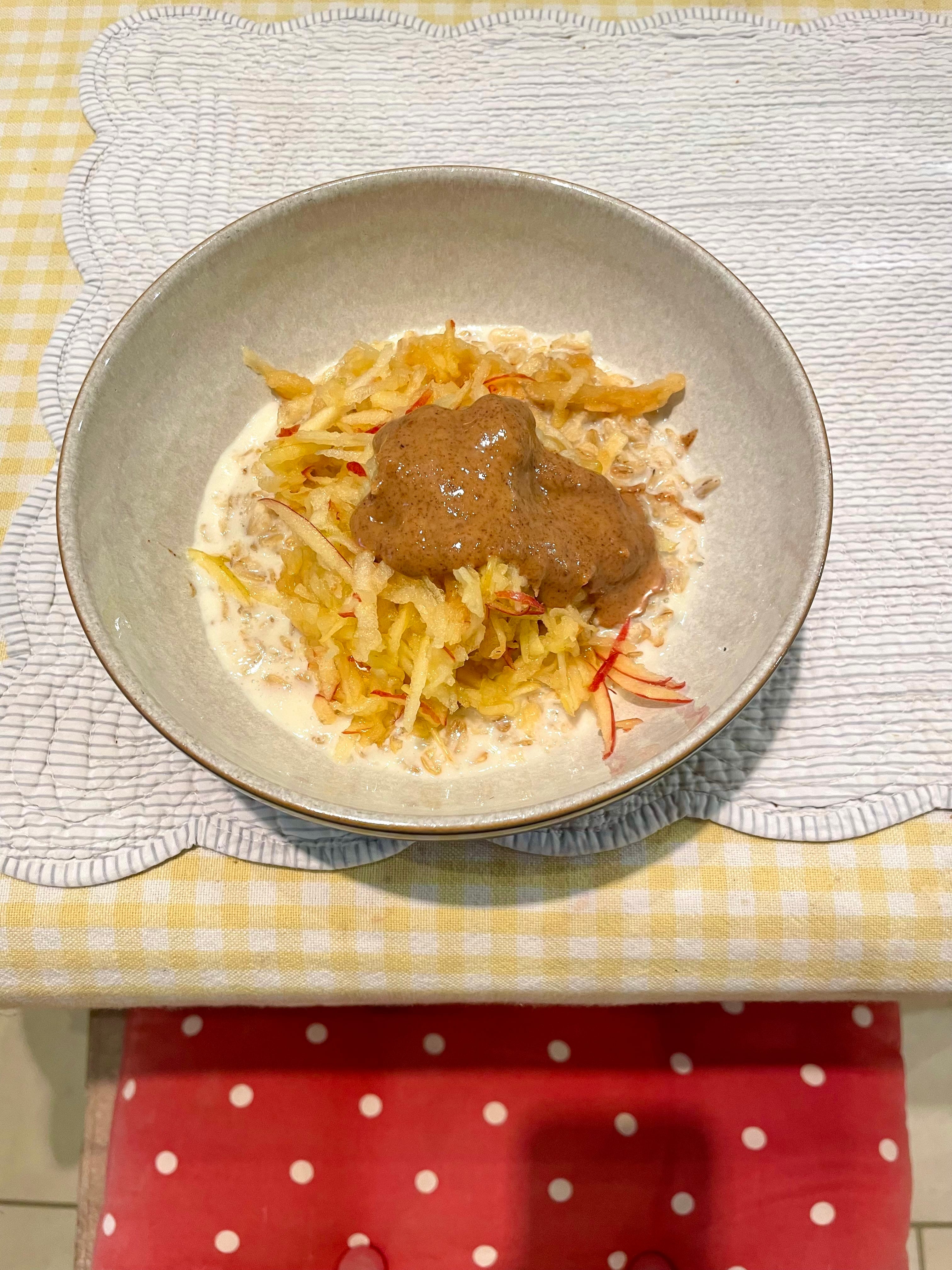
Breakfast is all about setting myself up for the day. I usually choose something that’s filling and packed with protein, whether that’s porridge with milk, almond butter and grated apple, or scrambled eggs on toast with tomatoes. It keeps me satisfied for longer and gives me the energy I need for busy mornings.
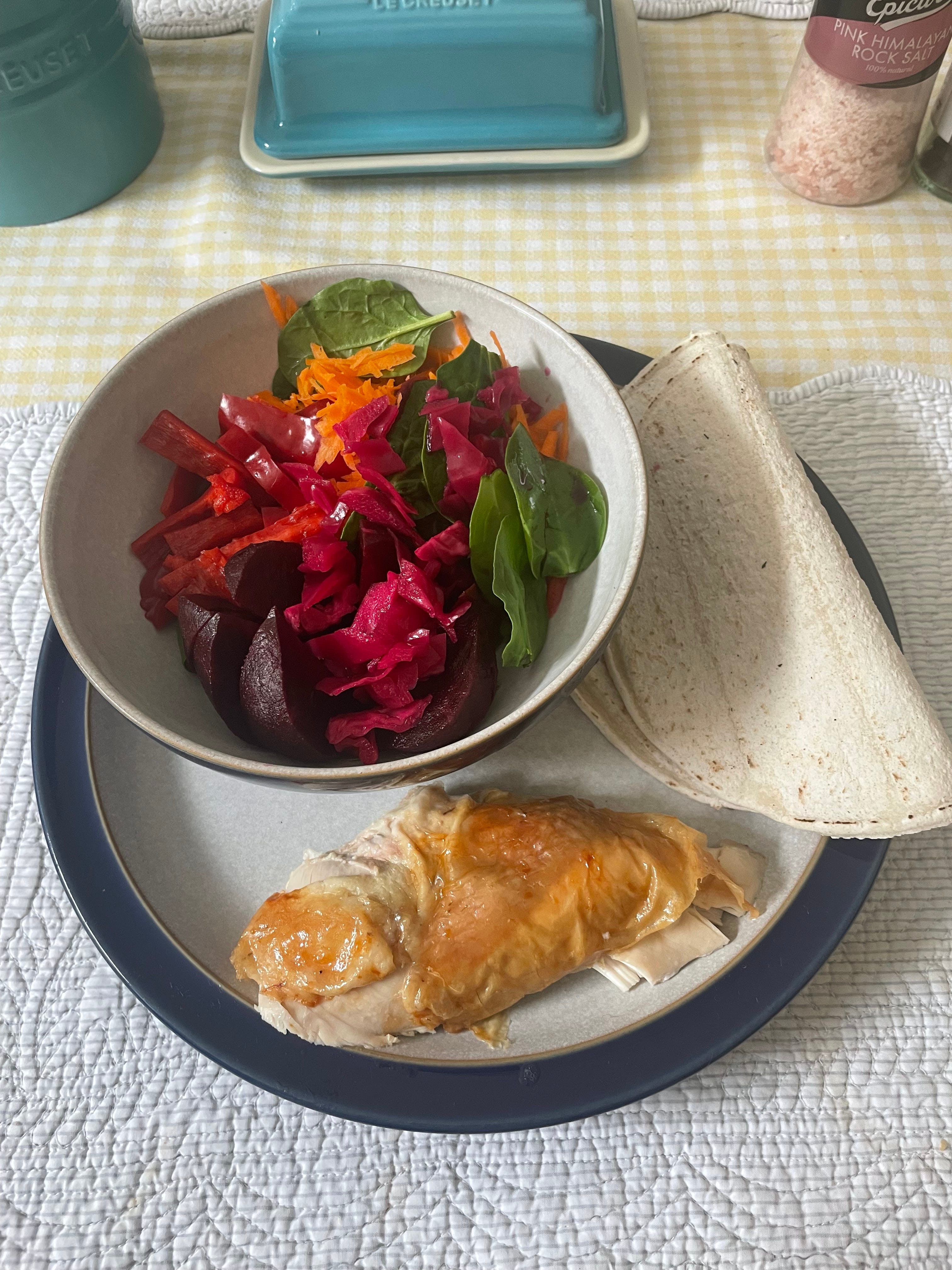
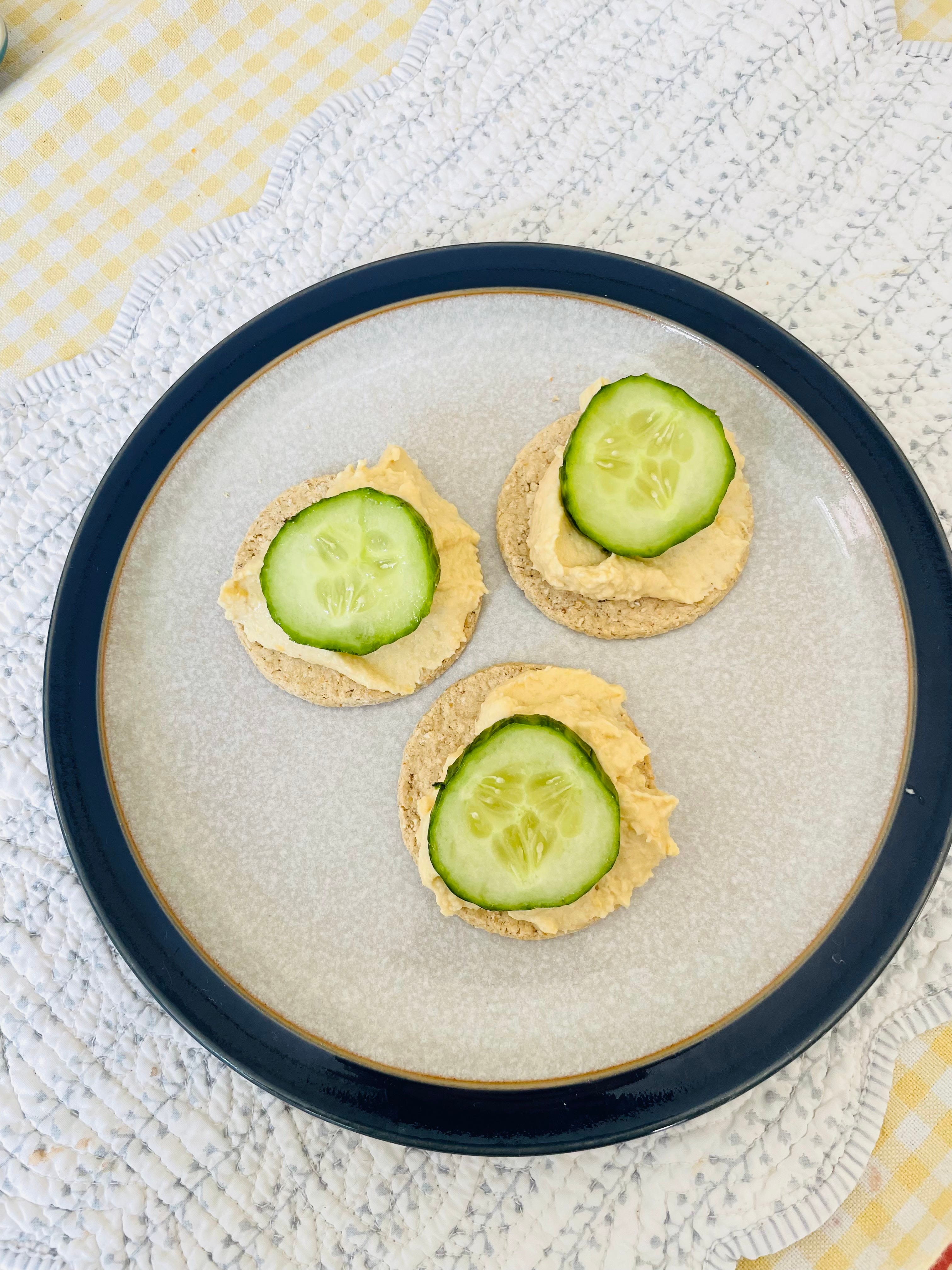
Lunch is often simple because life with a baby rarely goes exactly to plan. I’ll usually have a colourful salad with chicken, prawns or salmon and a wholemeal wrap, or a cheese sandwich with raw vegetable sticks on the side. I don’t believe in cutting out carbs - they’re fuel, especially when you’re constantly on the move. Then I snack on houmous, cottage cheese or avocado with oatcakes in the afternoon.
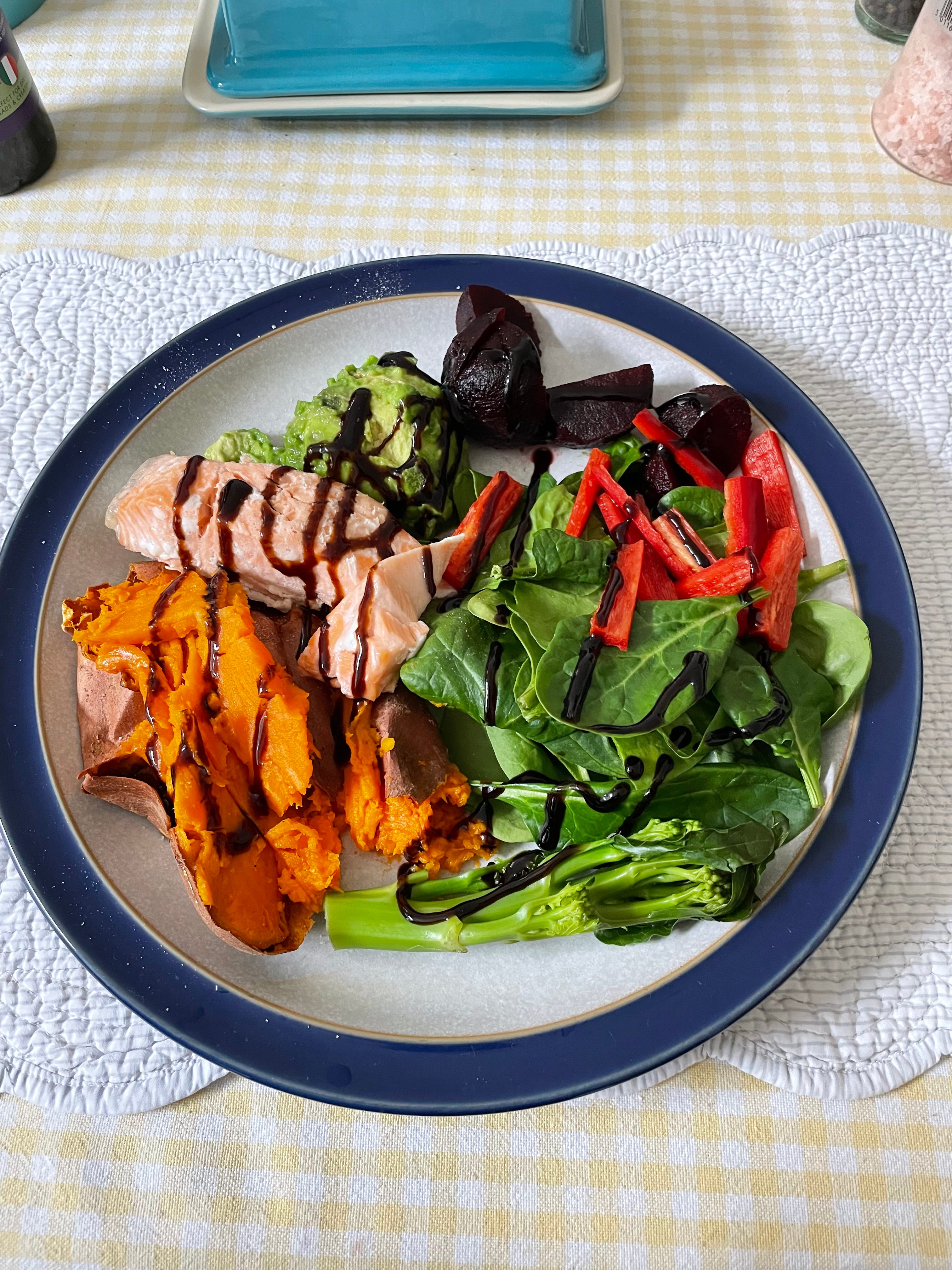
Dinner happens pretty early for me as my appetite peaks earlier in the day and my digestion is better then too. I eat plenty of lean proteins, vegetables and balanced portions of sweet potatoes, brown rice or wholemeal bread. I usually have natural yoghurt and fresh fruit afterwards too. Sometimes I add honey or no sugar granola to this if I’m still hungry. I enjoy these comforting meals, especially after a long walk. Balance is much more sustainable than restriction.
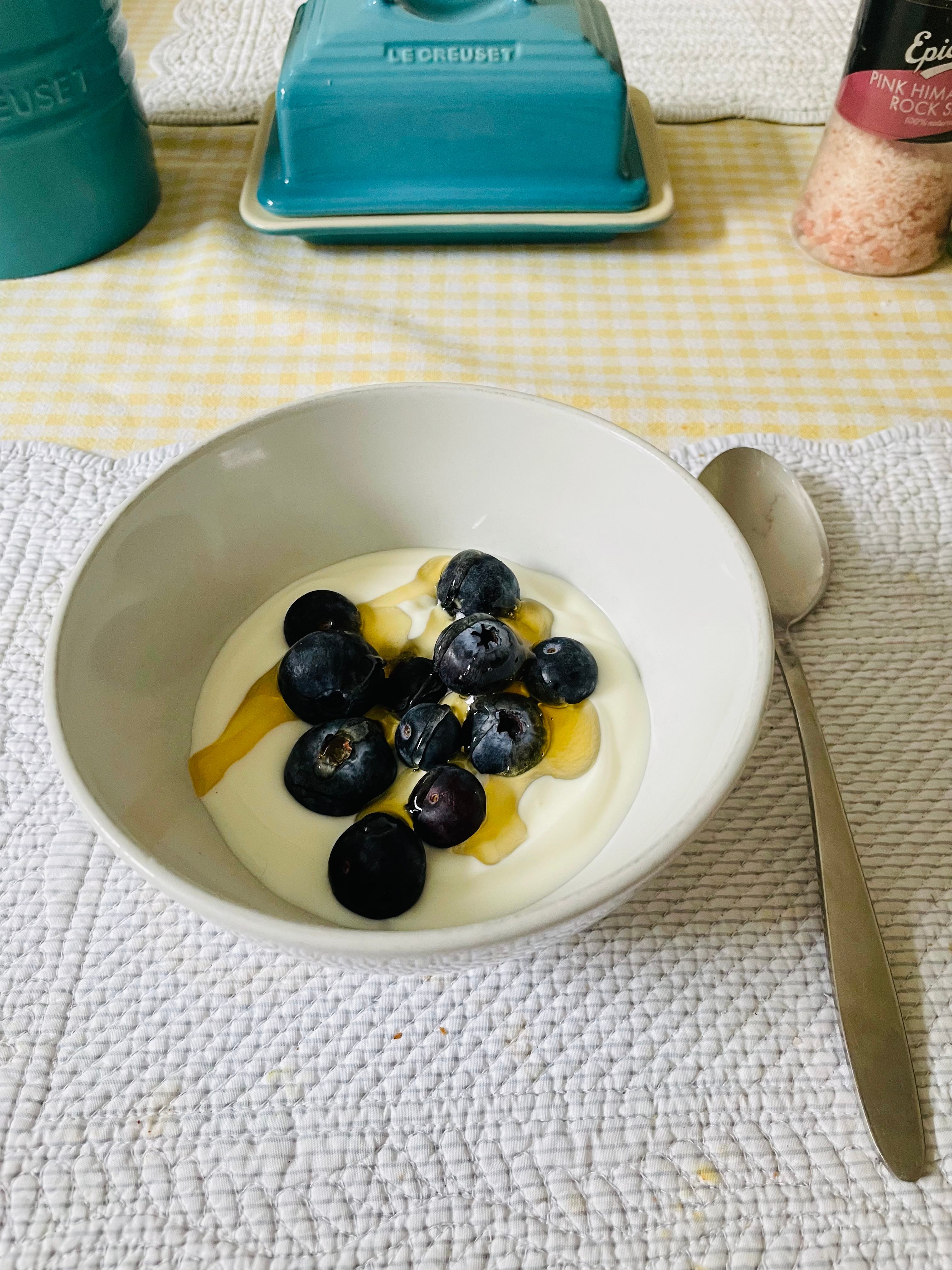
Of course, life isn’t all perfectly prepared meals. I still enjoy the occasional pizza or glass of wine with crisps. Healthy eating is about what you do most of the time, not what you do once in a while. Over the years, I’ve learned that avoiding triggering foods that make you spiral backwards and feel unwell is another important part of healthy eating. For me, that’s chocolate and not the high-quality dark chocolate. It’s the cheap milk chocolate - my kryptonite! It always makes me feel worse if I go there so I try to avoid it as much as possible.
One of the biggest lessons motherhood has taught me is to stop chasing perfection. Some days Ella doesn’t nap when I expect her to. Some days I don’t quite reach my step goal. Some days dinner is later than planned or I snack more than usual because it’s been one of those days. Instead of seeing those moments as failures, I’m learning to accept them as part of real life.
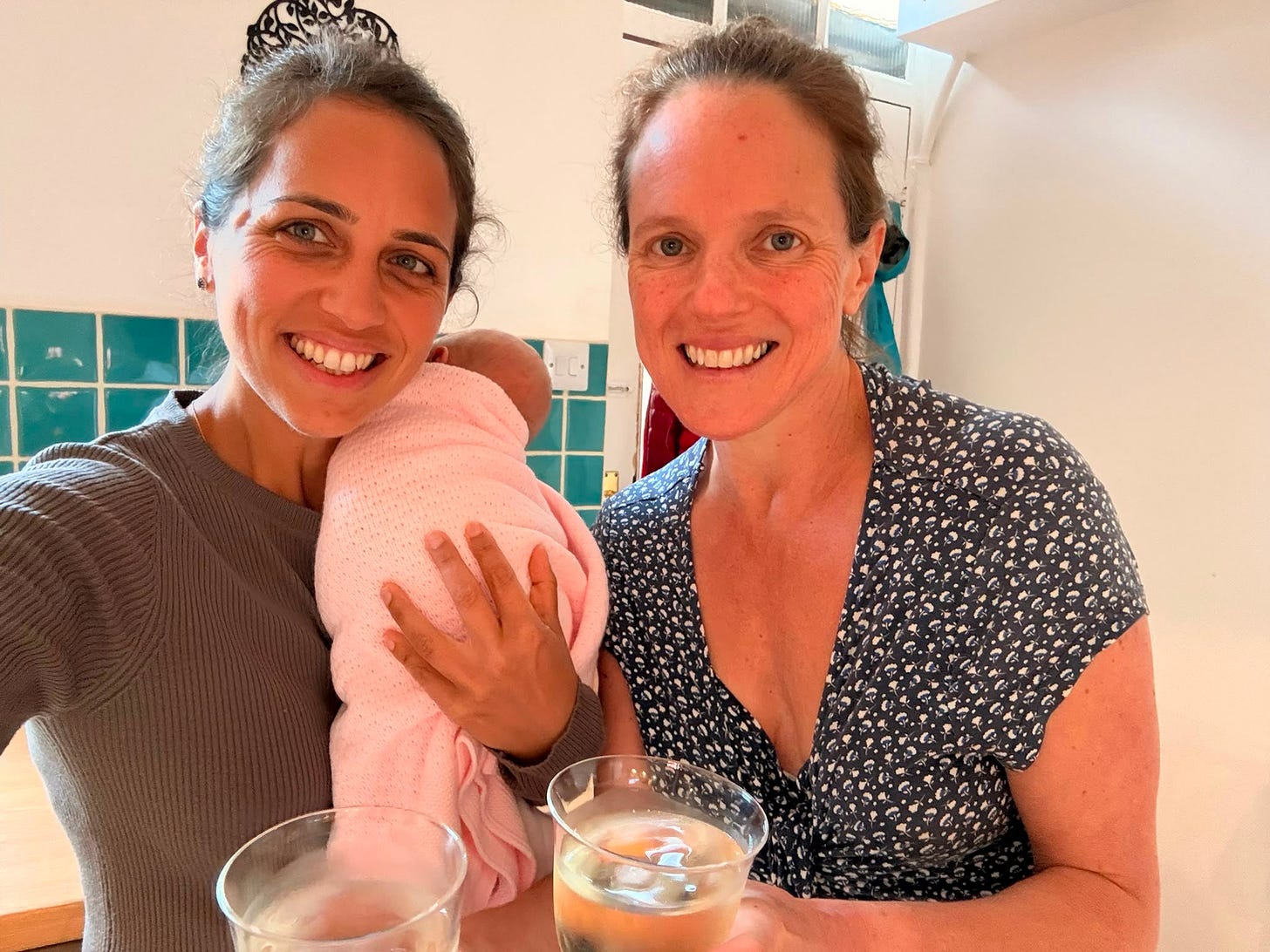
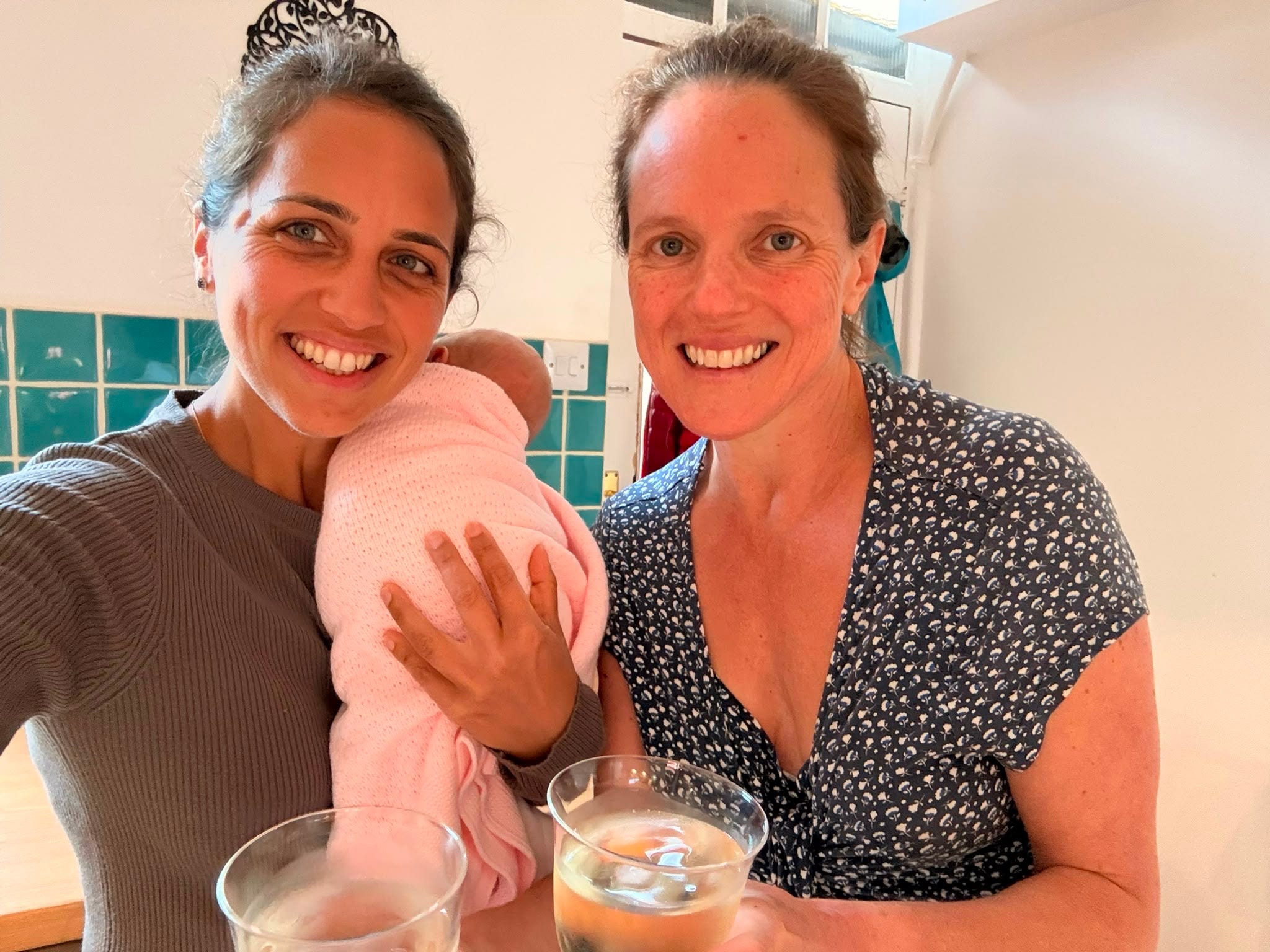
The emotional side of this journey has been just as important as the physical one. I’ve been incredibly lucky to have such supportive people around me. Whether it’s a simple message checking in, meeting for a walk, listening without judgement, or reminding me how far I’ve already come, they’ve helped more than they probably realise. Their support has reminded me that health isn’t measured purely by the number on the scales. It’s also measured by confidence, happiness, energy, resilience and knowing you’re not doing everything alone.
Recently, I’ve started introducing strength training back into my routine too. Very gently. I’m not trying to lift the heaviest weights or spend hours in the gym. Right now, it’s about rebuilding strength that pregnancy and postpartum naturally changed. Every session feels like another reminder of what my body is capable of.
It’s amazing how empowering it feels to notice little improvements. An exercise that felt impossible a few weeks ago suddenly becomes manageable. I feel stronger carrying Ella, more confident on longer walks, and generally more capable in everyday life. Exercise is now a celebration of what my body can do, not a chore that needs to be completed.
Looking back, I realise I spent far too much time believing progress had to be fast. Now I know that slow progress often lasts the longest. One healthy meal leads to another. One walk becomes a habit. One strength session becomes two. Those tiny choices add up far more than any quick fix ever could. My journey back to my pre-pregnancy weight isn’t really about returning to who I was before. In many ways, I’m becoming someone new. Someone who’s stronger, more patient, and far kinder to herself.
Click here to buy me a coffee and keep me fuelled for writing as a new mum ☕️
Ella won’t remember these walks around the Lake District while Amber happily trots alongside us, but I will. I’ll remember building healthy habits with my daughter close to me. I’ll remember choosing consistency over perfection. I’ll remember the encouragement from friends who believed in me, even on days when I doubted myself.
If there’s one thing I’ve learned, it’s that postpartum recovery isn’t a race. Every body recovers differently, every family finds its own rhythm, and every small step counts. So tomorrow, I’ll lace up my trainers, attach Amber’s lead, settle Ella into the sling, and head out for another walk through the beautiful Lake District. I’ll eat food that nourishes me, continue rebuilding my strength one workout at a time, and remind myself that this journey isn’t just about losing weight. It’s about gaining confidence, health, strength, and creating a lifestyle that I hope Ella grows up seeing as normal. And for me, that’s worth every single step.