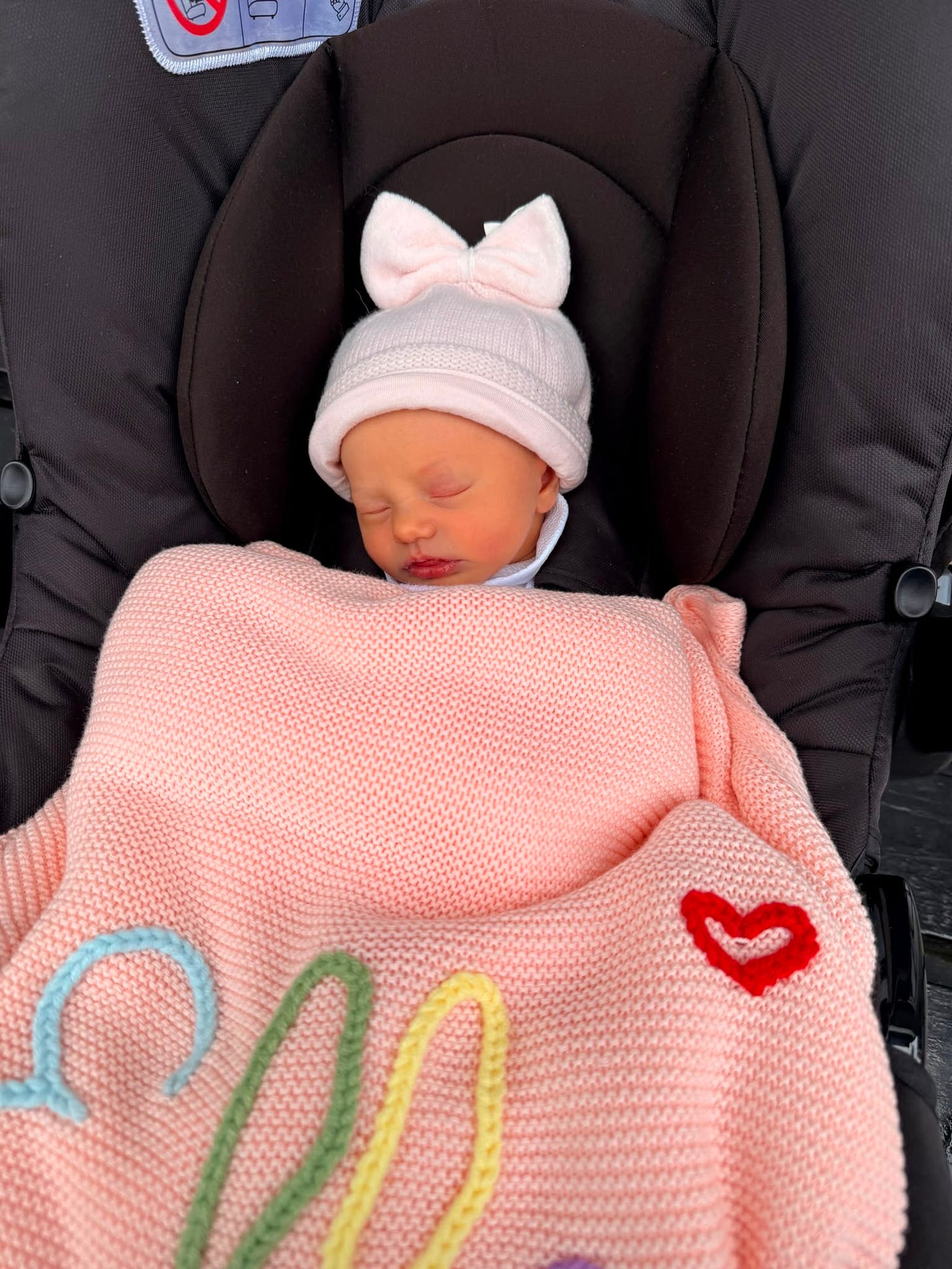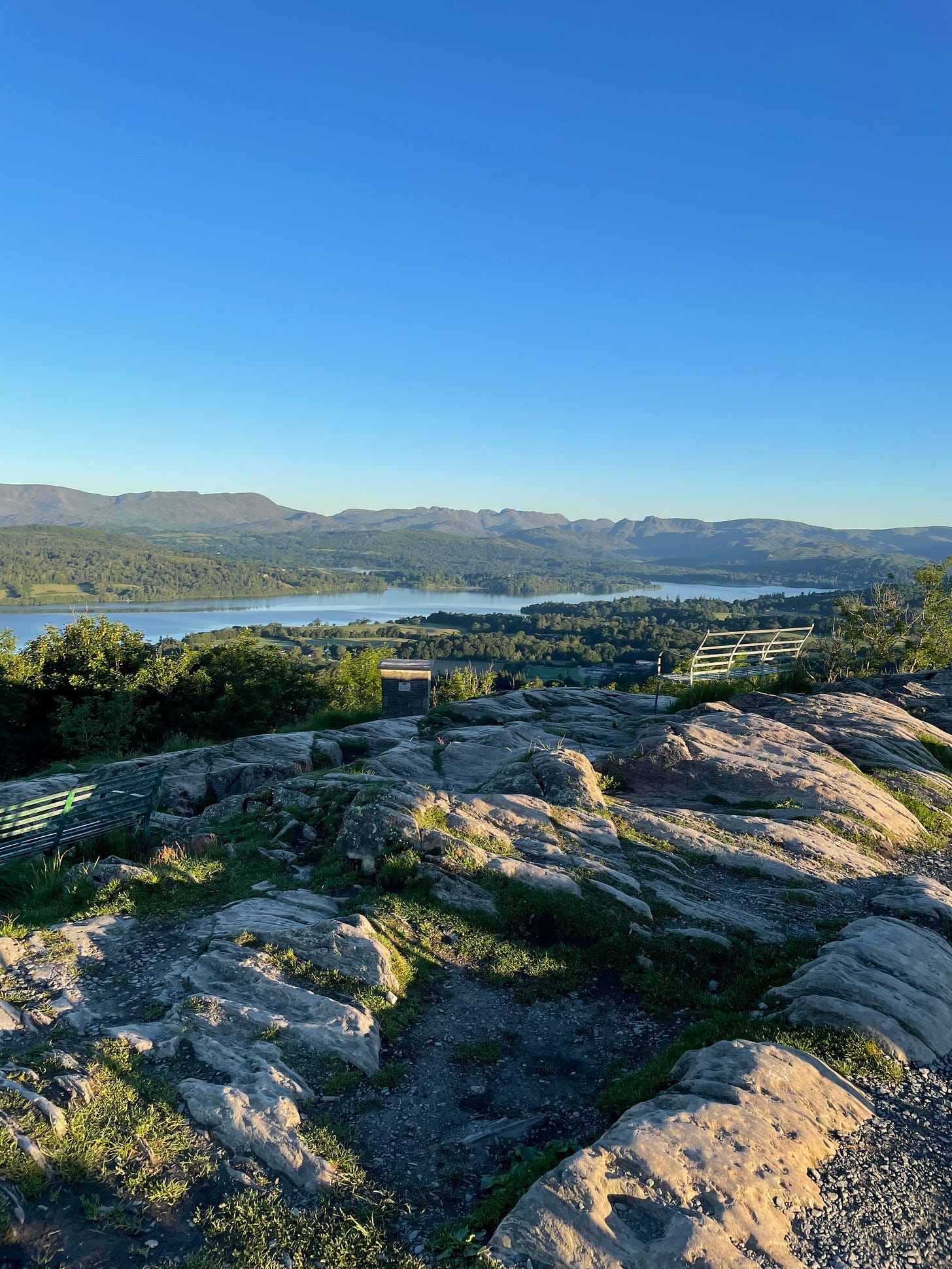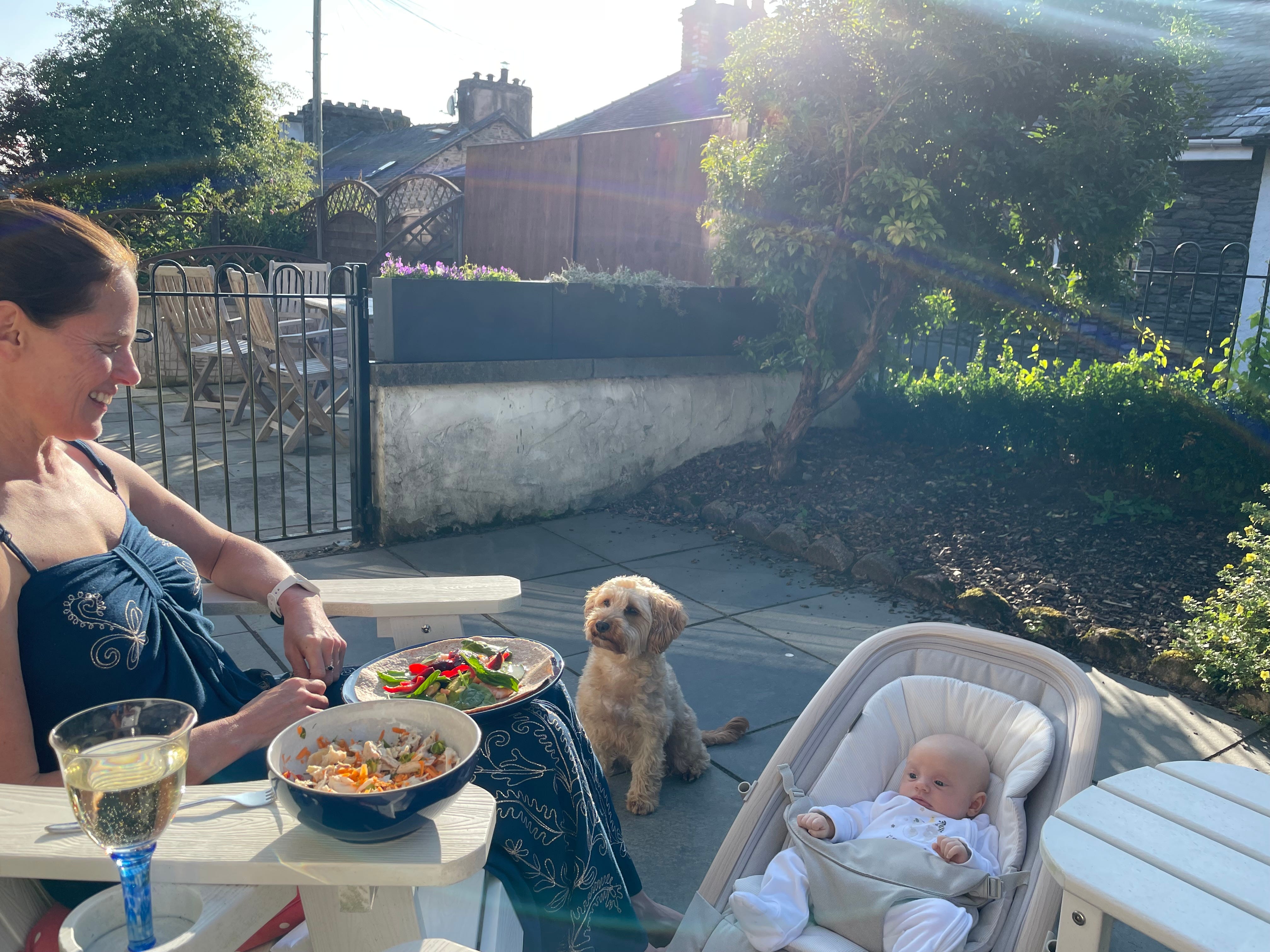
Almost nine weeks ago, our world changed completely when Ella arrived. Those first few weeks have been a whirlwind of newborn cuddles, broken sleep, learning a whole new routine and, of course, recovering physically from giving birth.
I’m really pleased to say that my recovery has been going incredibly well. I’ve been taking things slowly, listening to my body and reminding myself that postpartum fitness isn’t about rushing back to where you were before pregnancy. It’s about rebuilding from where you are now. For me, getting moving again has been a really positive part of that process. Starting slowly and listening to my body. There’s a huge temptation, particularly if you were active before pregnancy, to want to get straight back into your old routine. I definitely understand that feeling. But almost nine weeks postpartum, I’m much more interested in building a strong foundation than chasing a particular pace, distance or number on the scales.
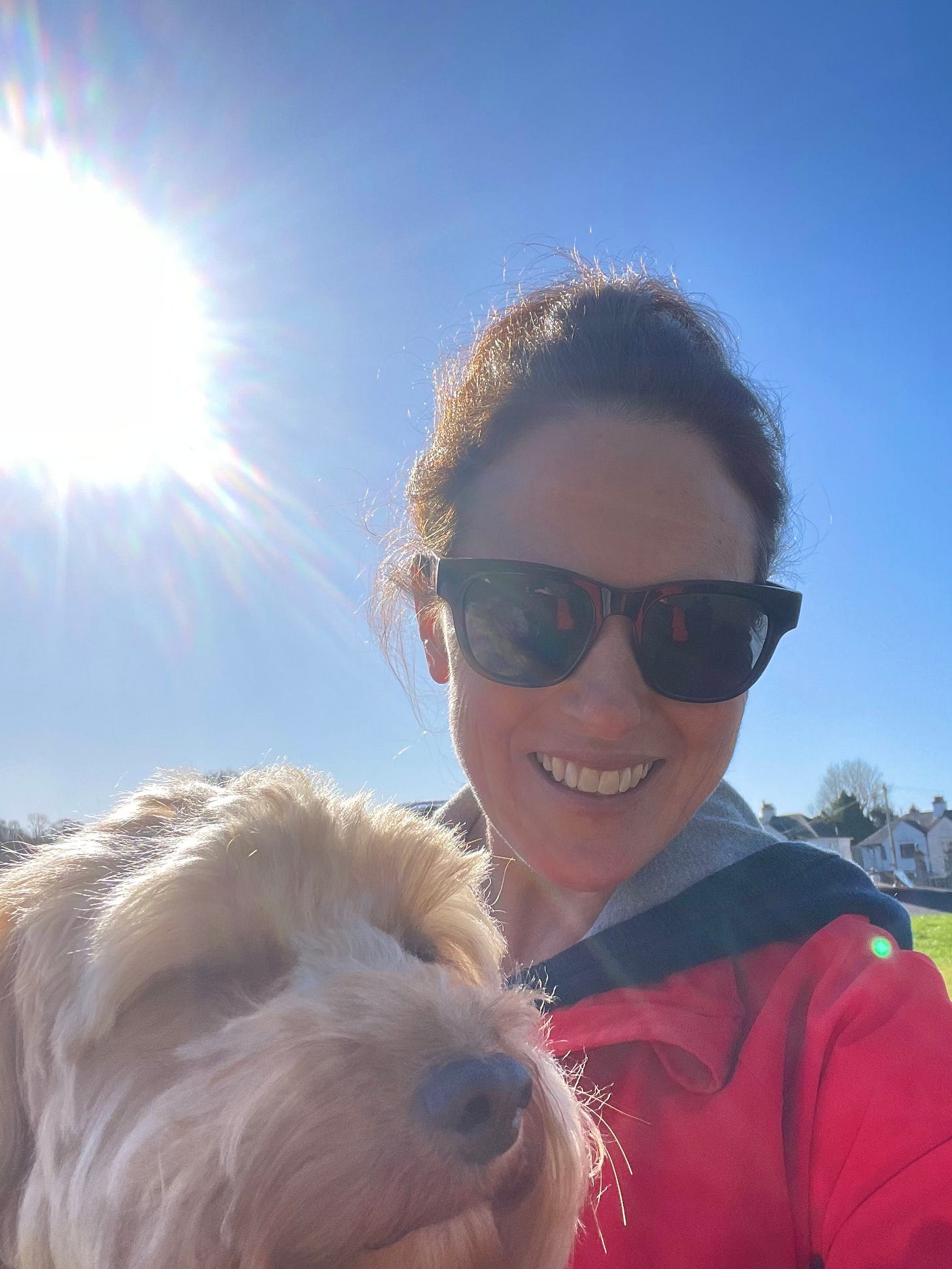
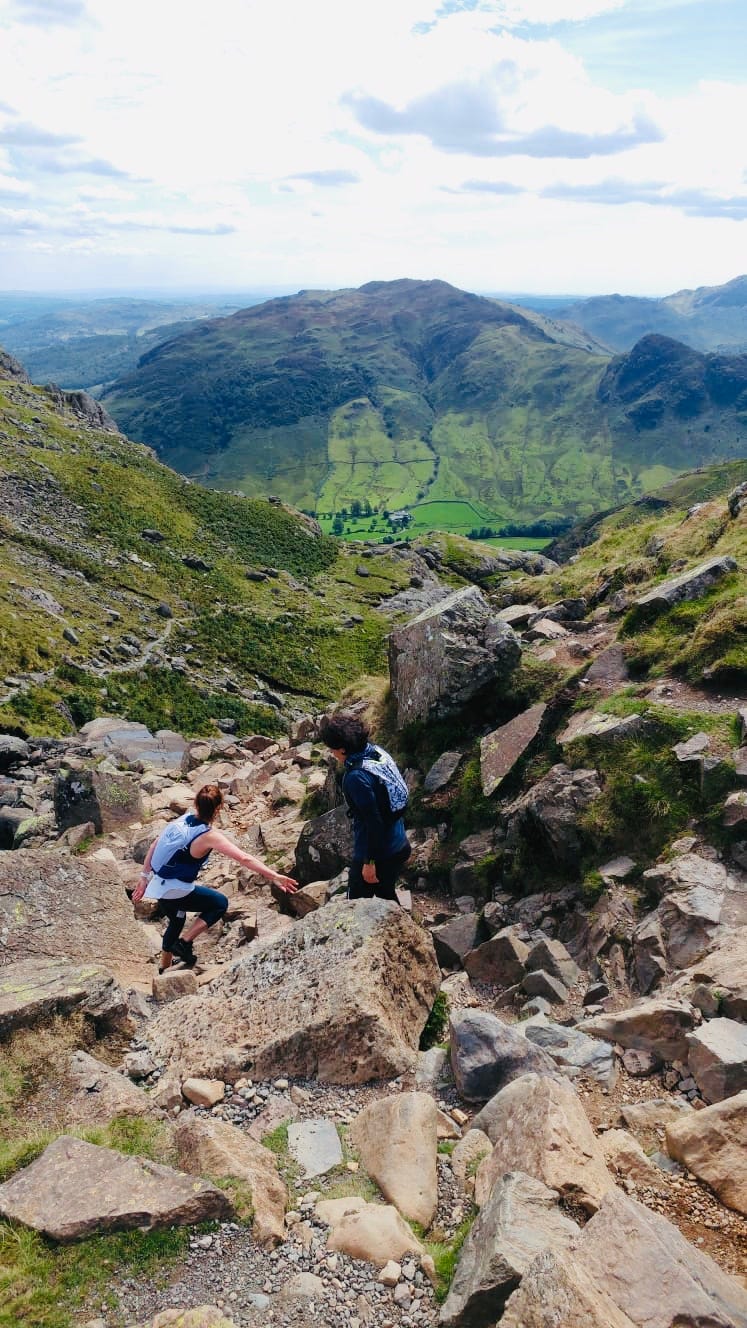
The early stages have been about walking, getting outside and gradually introducing some strength work. It has felt good to move my body again without putting pressure on myself to perform. Hiking has become a big part of that. There’s something about being outdoors with Ella and Amber that makes exercise feel less like a workout and more like part of our new life together. Amber has been part of my outdoor adventures since living in the Lake District, so having her alongside me and now introducing Ella to those adventures too, feels really special.
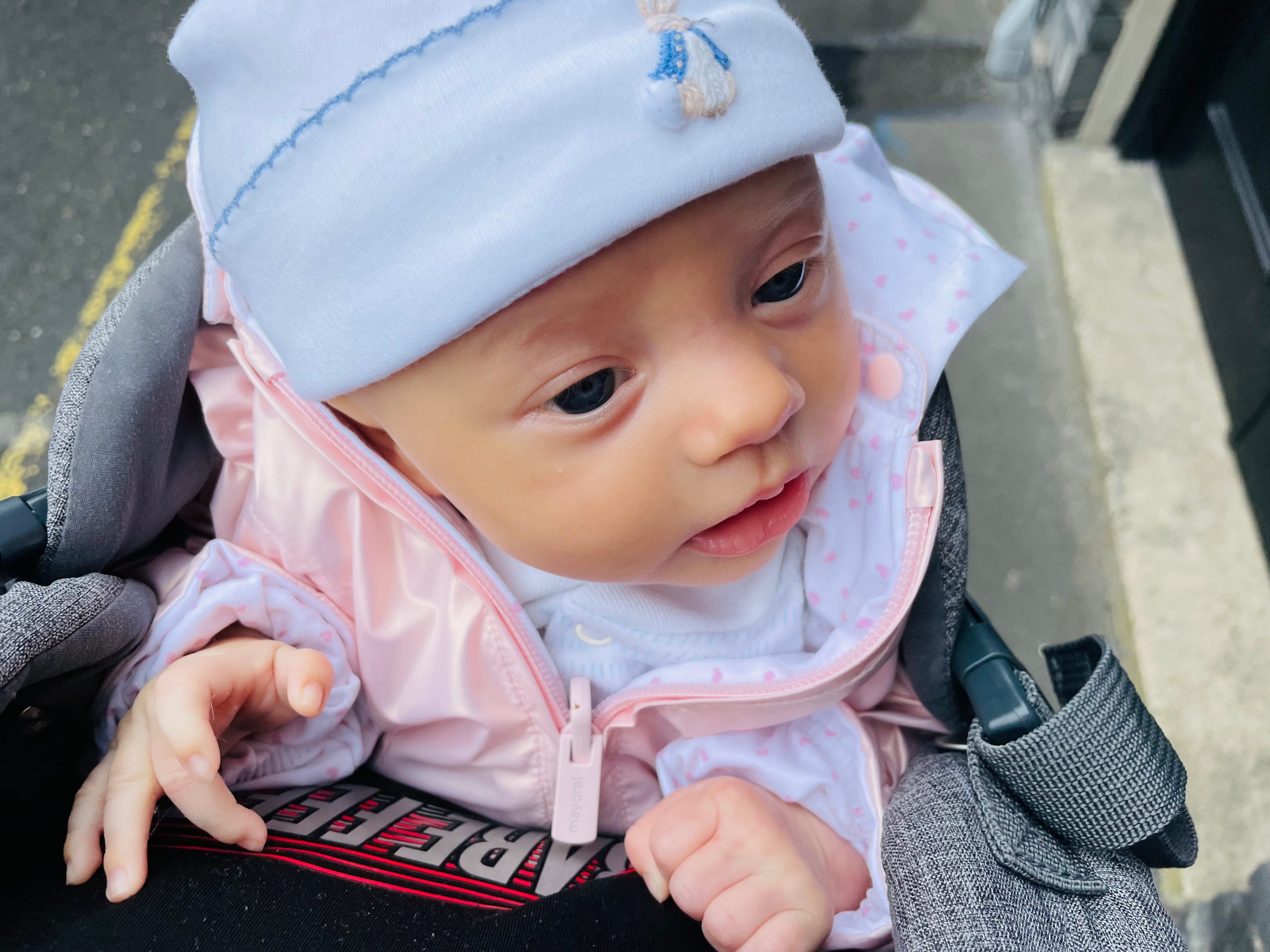
We’ve been gradually increasing the length and terrain of our walks, and I’m enjoying getting some elevation back into my legs. The hills are a good reminder that even walking can be a pretty effective workout when you’re carrying everything you need for a baby and stopping regularly for dog and baby duties! It’s also been a good reminder that fitness doesn’t have to mean running five kilometres or spending an hour in a gym. Right now, a long walk with Ella and Amber, a hilly route and a short strength session can be more than enough.
Rebuilding strength
Strength training has been particularly important to me postpartum. Pregnancy and birth put huge demands on the body, and carrying a growing baby around all day adds another layer of physical work. I’ve been keeping my sessions simple and focusing on movements that help me feel stronger and more capable rather than trying to lift as heavily as I did before pregnancy.
The circuit I’ve been doing is a mixture of lower-body, upper-body and core-focused exercises. I usually work through the exercises as a circuit, taking things at my own pace and adjusting depending on how I’m feeling that day.
My postpartum strength circuit
Dumbbell squats - 15-20 reps
A simple but effective way to rebuild lower-body strength. I’m concentrating on controlled movement and good form rather than adding lots of weight.
Glute bridges - 15–20 reps
These have been a great way to work the glutes and posterior chain while keeping things relatively gentle. I focus on squeezing through the glutes and controlling the movement.
Dumbbell lunges - 15–20 reps per leg
These are particularly useful given how much hiking and trail running I want to get back to. I concentrate on depth, balance and control.
Dumbbell bent-over rows - 15–20 reps
I’m keen to rebuild some upper-body strength too, especially knowing how much carrying, lifting and generally holding a baby is involved in everyday life. Rows work the upper back and help counter some of the rounded posture that can come from feeding and carrying.
Push-ups - 15–20 reps
I always include various styles of push-ups, which give me a great upper-body movement while also asking the core to work. I can adjust the difficulty depending on how I’m feeling, using an elevated surface if needed rather than worrying about getting straight back to full push-ups.
Plank variations – 15–20 reps or 1 minute holds
I’ve been incorporating different plank variations into my sessions. These might include a standard plank, side plank or a modified dynamic plank, depending on how my body feels. I’m focusing on controlled, steady holds or movements rather than trying to make them as difficult as possible.
I’ll usually repeat the circuit three times, depending on how much time I have and how my body feels. And that’s probably one of the biggest lessons of postpartum exercise: how I feel matters more than what my plan says. Some days I have the energy for a proper session. Other days, a walk with Ella and Amber is enough. There’s no point forcing a workout when my body is telling me it needs recovery - especially when sleep is still very much dictated by a tiny human!
Click here to buy me a coffee and keep me fuelled for writing as a new mum ☕️
Hiking my way back to fitness
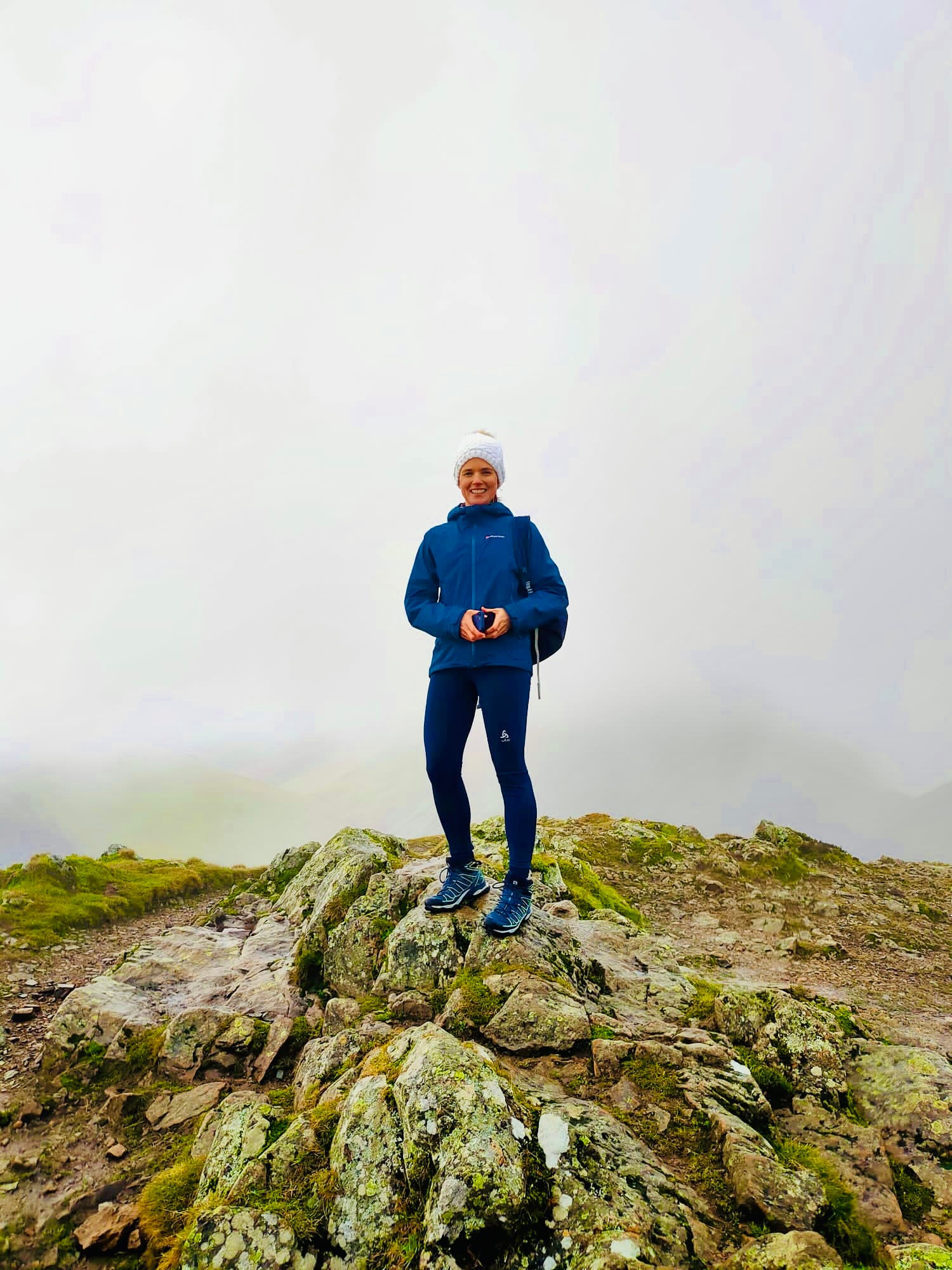
Hiking has been one of my favourite ways to rebuild my fitness because it gives me a cardiovascular workout without the impact of running. It also feels like a natural progression. I can control the pace, choose the distance and adjust the route depending on how I’m feeling. As my strength and confidence have improved, I’ve been able to make the hikes longer and include more hills. And having Amber with me makes it even more enjoyable. She has plenty of energy to burn and is always happy to be out exploring, while I’m enjoying being back in the hills and slowly rebuilding the fitness I had before pregnancy.
There’s something really lovely about seeing our little family out together. What used to be a hike with Amber has now become a hike with Amber and Ella too. The adventures are slightly slower and require a bit more planning, but they feel even more meaningful. These walks are now part of our routine, and I love that Ella comes with us for every adventure. For me, postpartum fitness isn’t just about getting my old body back. It’s about creating a strong body for this next chapter - one that can carry a baby, climb mountains, run trails, walk with the dog and keep up with an increasingly mobile little girl.
Looking towards running again
Running is the part I’m most excited to return to.
Before pregnancy, running was a big part of my fitness and something I genuinely enjoy, so I’m looking forward to gradually building it back into my routine. But I’m not in a rush. I want to make sure my body is ready before increasing the impact and volume of my running. Strength, walking and hiking are giving me a good base to work from, and when I do start running regularly again, I’ll build up gradually rather than trying to pick up where I left off. Eventually, the plan is to take Ella along with me in the Mountain Buggy once she is developmentally ready and can support her own head. That feels like such an exciting prospect!
I love the idea that some of our adventures will now look a little different - me running along with Ella safely tucked into the buggy, Amber trotting alongside us, and the three of us heading out for a walk or run in the hills. Of course, the transition to running with the buggy will be guided by Ella’s readiness, rather than simply a particular number of weeks postpartum. For now, I’m happy to enjoy the journey towards it.
Progress looks different now
Nearly nine weeks in, I’m learning that postpartum fitness is less about getting back to my “old self” and more about discovering what my new body can do. I’m stronger than I was a few weeks ago. I’m walking further. I’m hiking again. I’m enjoying strength training. I’m getting out with Ella and Amber. And I’m starting to feel that familiar excitement about running. There’s still a long way to go, but that’s okay. For now, I’m celebrating the small wins: another hill climbed, another strength session completed, a longer walk with my babies, feeling stronger carrying Ella, or simply having the energy to get outside.
The goal isn’t to bounce back. It’s to rebuild - stronger, gradually and sustainably - while enjoying this completely new chapter of life, one walk, hike and eventually run at a time.