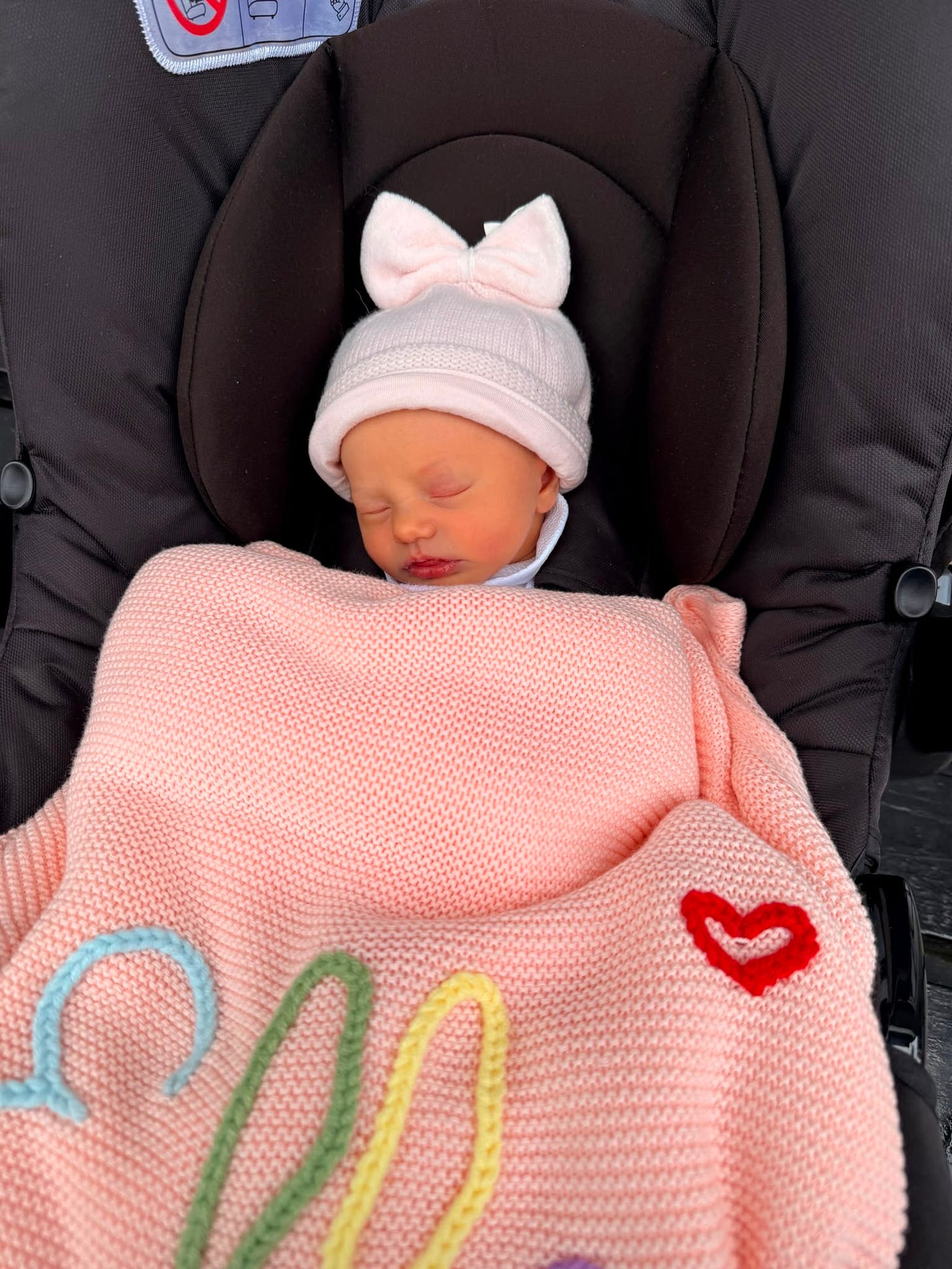
Ella is just over 11 weeks old and I’m beginning to feel like I can breathe again. Not that the early weeks have been bad. They haven’t. In so many ways, they have been wonderful. Becoming a mum has been everything I hoped it would be, and watching Ella grow and change almost daily has been incredible. But the newborn weeks are intense. There is the constant feeding, the broken nights, the feeling that your days and nights merge into one long cycle of feeding, changing, settling, washing bottles, expressing milk, eating quickly and trying to sleep whenever the opportunity presents itself.
And then, somewhere around this point, things begin to shift.
Ella is starting to sleep for longer blocks at night. Nothing is predictable yet, and I’m certainly not claiming that we have cracked sleep, but those extra stretches are making a noticeable difference. I hadn’t realised quite how much the sleep deprivation had been affecting me until I started to get a little less of it. I feel more patient. More energetic. More like myself. And one of the things that has helped me enormously throughout these first few months has been something incredibly simple: walking. Not walking for fitness. Not walking because I have to hit a certain number of steps. Just walking.
Nature has become my reset button
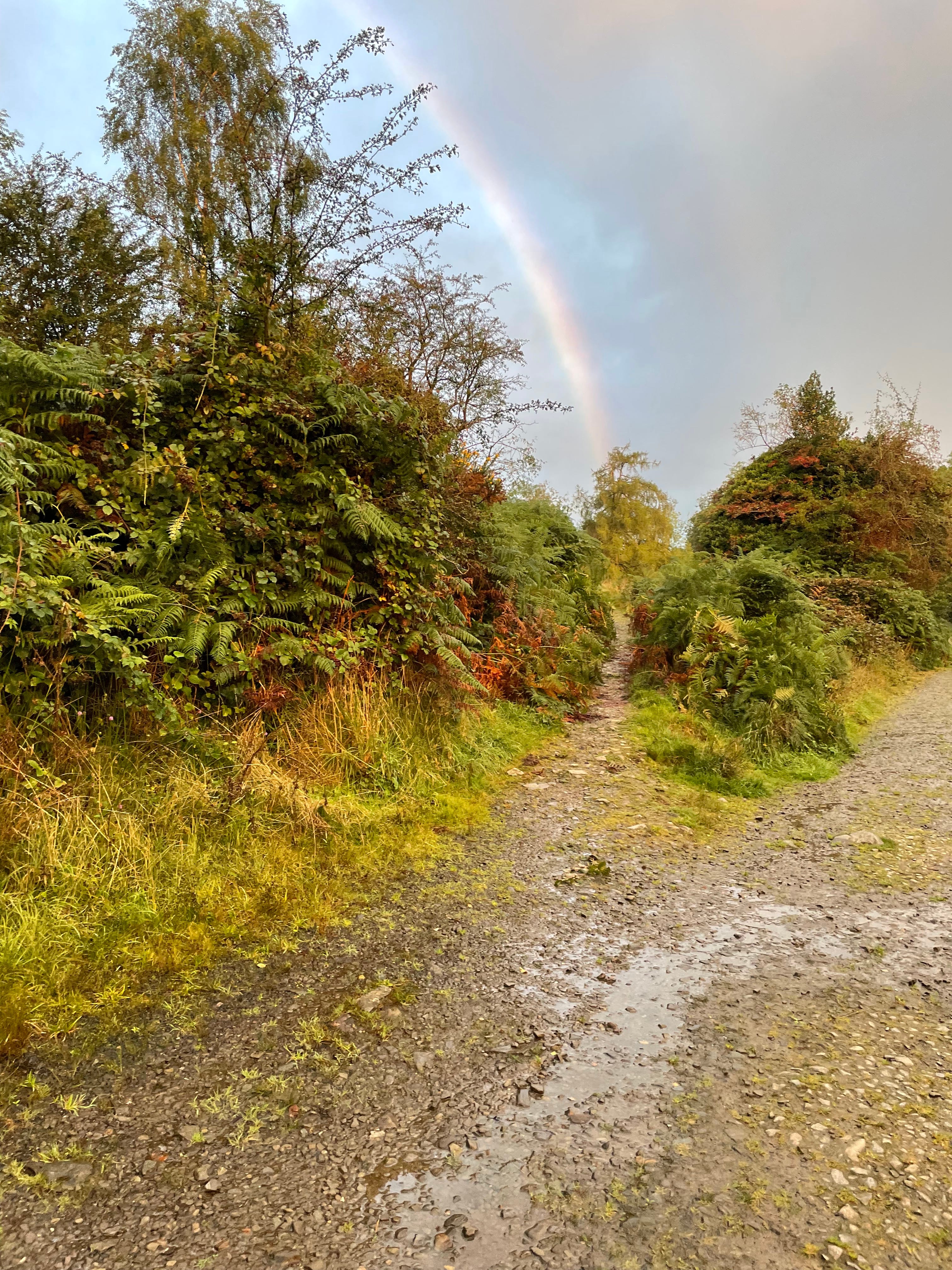
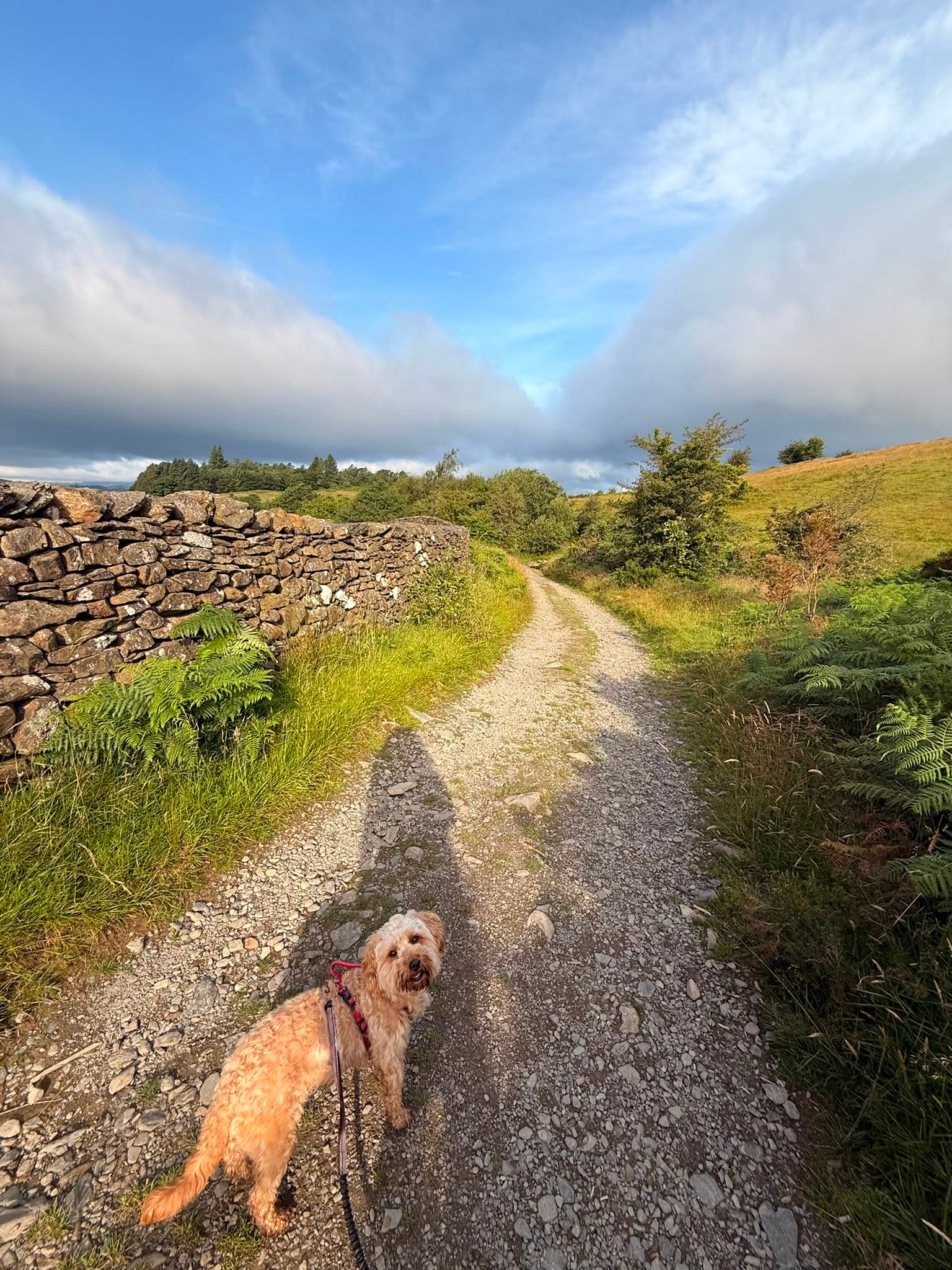
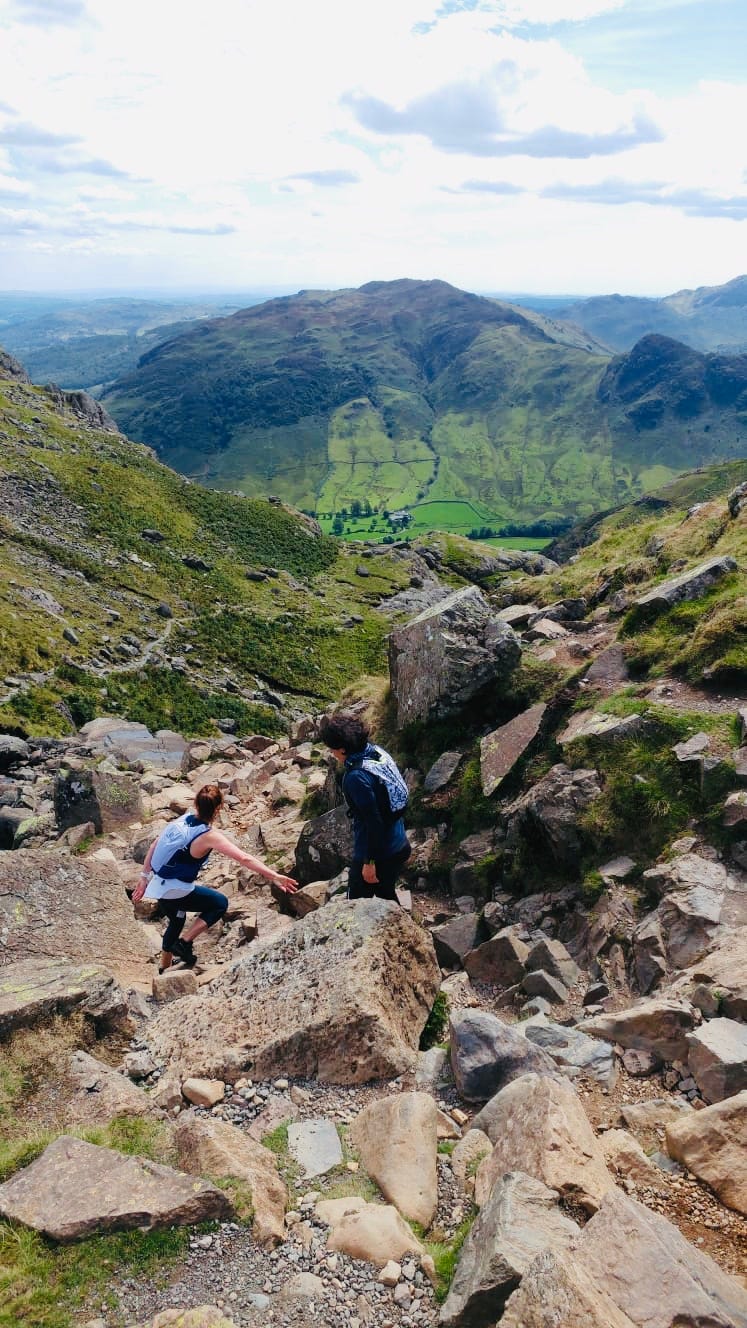
I’m incredibly lucky to live in Windermere in the Lake District, surrounded by some of the most beautiful landscapes in the country. There are days when I leave the house feeling tired, overstimulated or slightly overwhelmed by the sheer relentlessness of motherhood. I might have been awake several times during the night. I might have spent hours feeding and soothing. I might not have showered until lunchtime. And yet, after half an hour outside, something changes.
The landscape doesn’t demand anything from me.
The trees don’t care whether I’ve answered my emails.
The hills don’t care whether I’ve managed a workout.
The lake doesn’t care if the kitchen is a mess.
I can simply walk and there is something profoundly calming about that. Walking without an agenda
Before Ella, I was very exercise-focused. Running, strength training, hiking and staying active were a huge part of my life. Now, movement has a different purpose. Of course, I still want to rebuild my strength and fitness, and I’m looking forward to running regularly again when the time is right. But postpartum movement doesn’t always need to be about improving your fitness. Sometimes it is about feeling human. A gentle walk can be enough. It gets me out of the house. It gives me fresh air. It gives Ella a change of scenery. It gives Amber the opportunity to sniff absolutely everything she can find. And it gives me space.
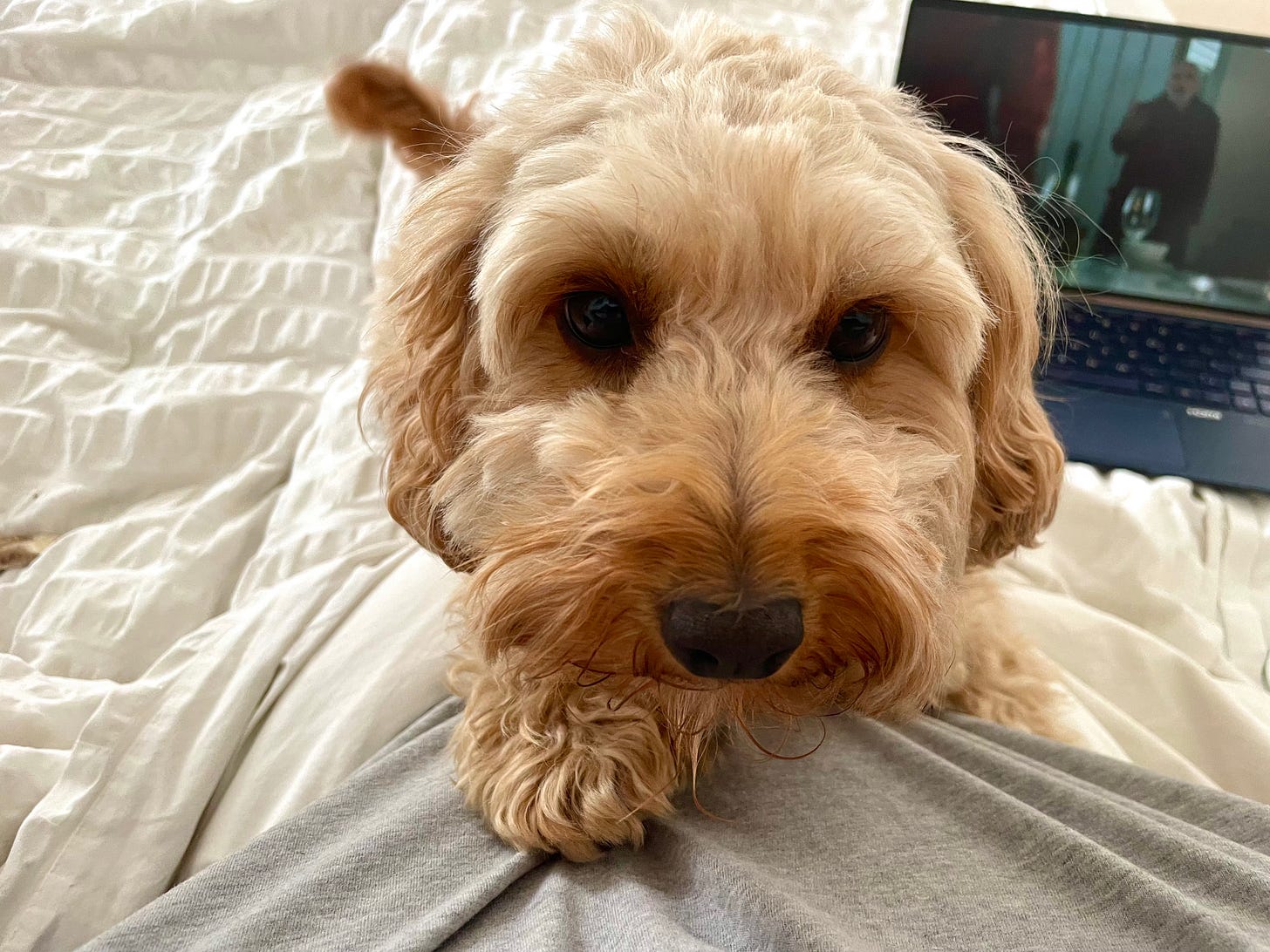
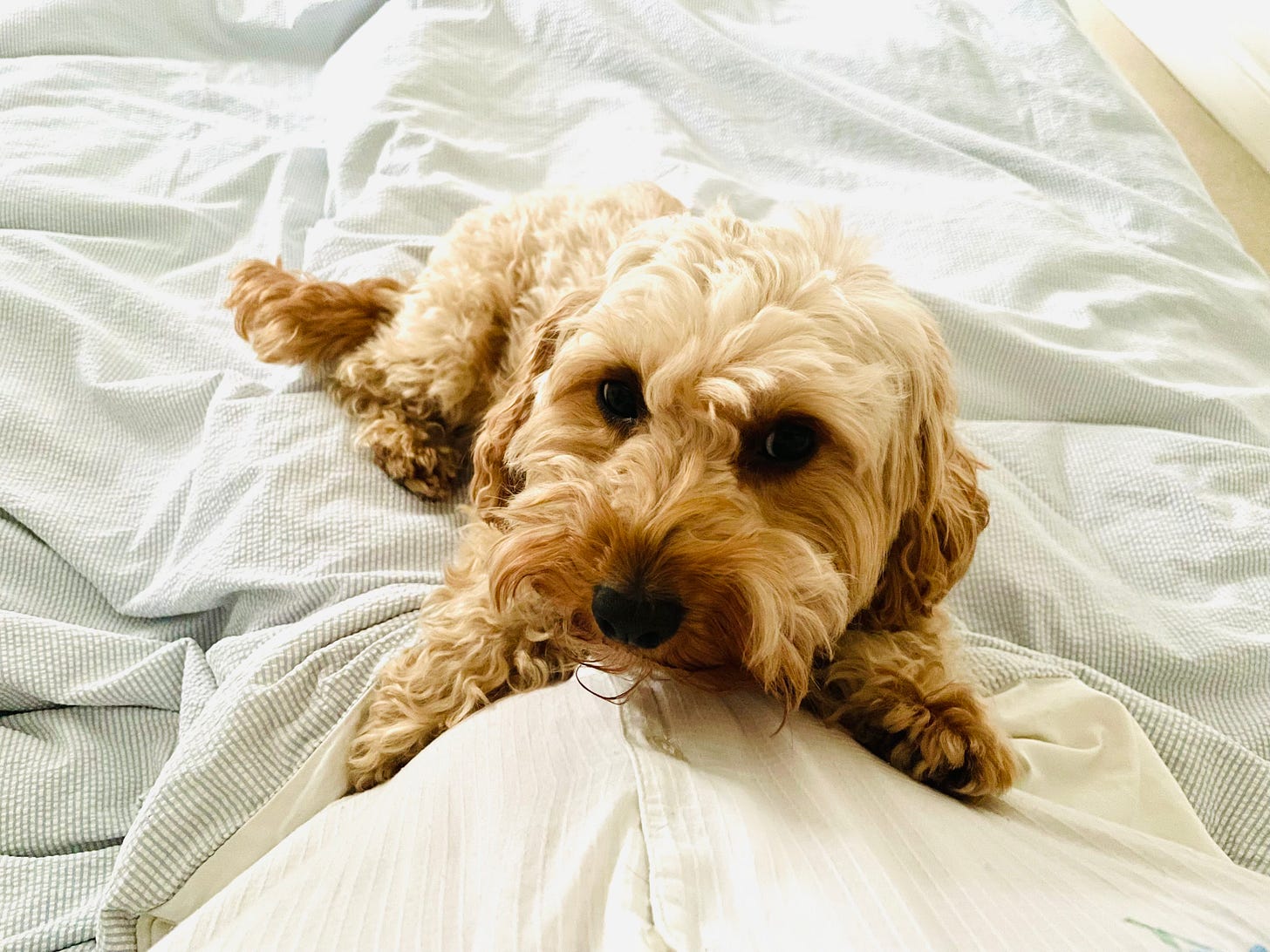
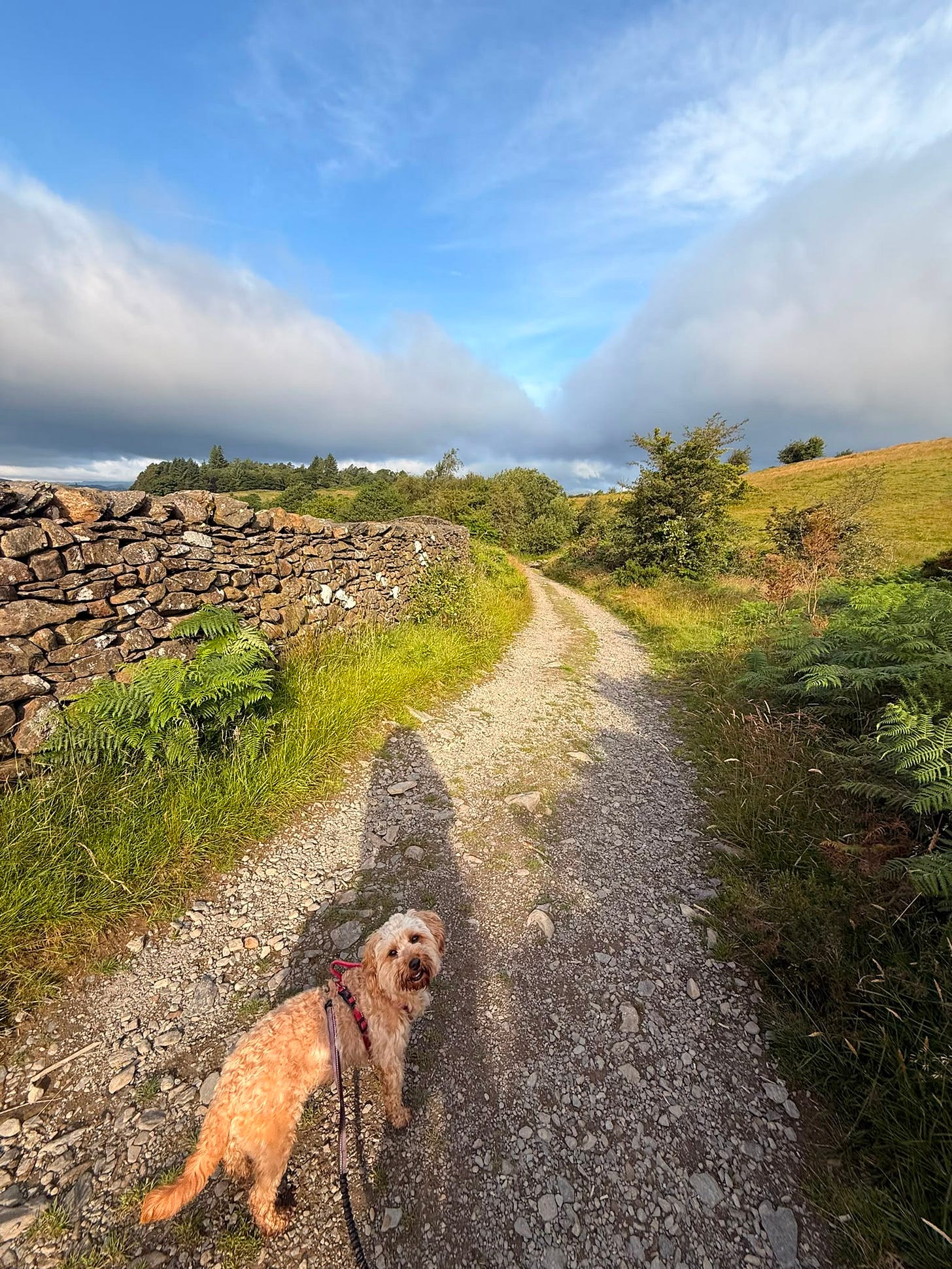
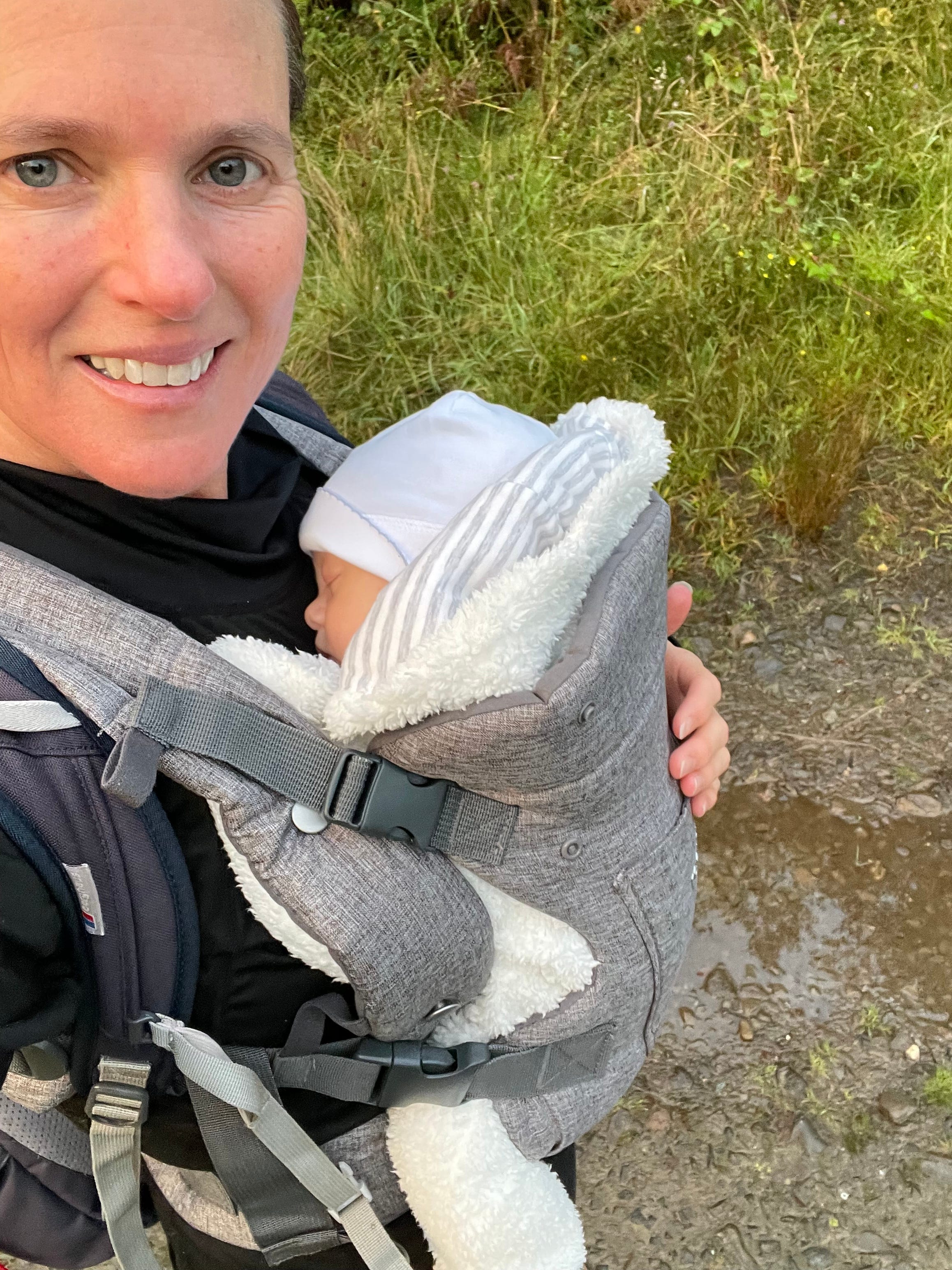
There is something particularly lovely about walking with a baby who is still too young to be interested in where you are going. Ella is happy being close to me, looking around from her pram or carrier, listening to the sounds around her. Amber, meanwhile, is in her element. She has always been my constant companion, and having her alongside me during these early months has been a comfort in itself. She happily trots along, stops to investigate interesting smells and generally reminds me that there is a world beyond feeding schedules and nappies.
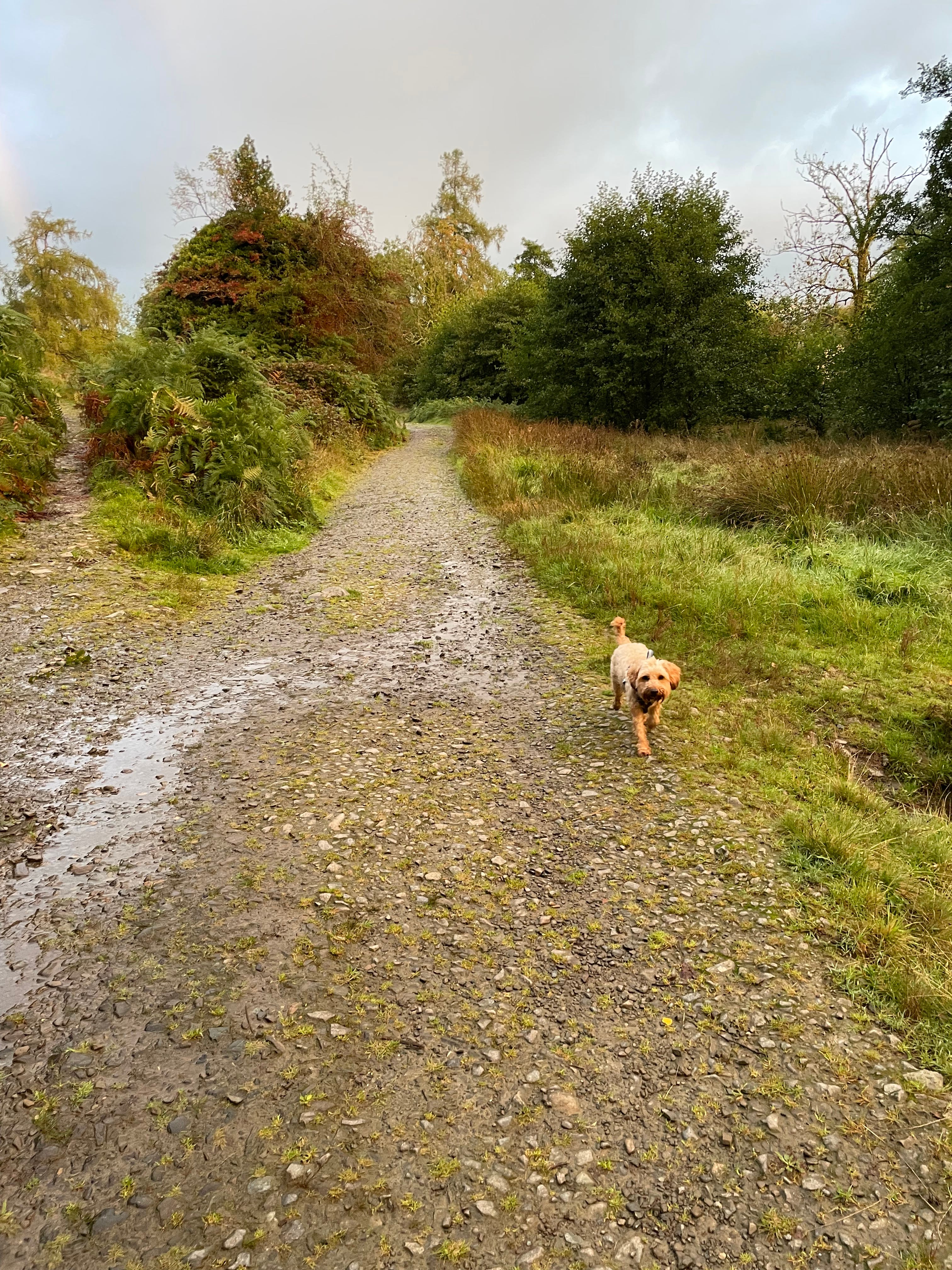
Sometimes she runs ahead. Sometimes she stays close. And sometimes, when we stop, she simply looks up at me as if to check that everything is okay. There is something very grounding about having the two of them with me.
I think we sometimes underestimate how powerful a change of environment can be. When you’re spending a lot of time indoors with a newborn, the walls can start to feel like they’re closing in. Even when you’re perfectly happy, the repetition of the days can become mentally exhausting. Getting outside interrupts that. There is daylight. There is movement. There are different sounds and smells. There are people passing by, birds singing, water moving and leaves blowing in the wind. And, perhaps most importantly, there is perspective.
A walk reminds me that life is bigger than whatever has felt difficult that morning.
If Ella has had a particularly unsettled night, I don’t have to fix everything before I leave the house. I can put her in the carrier, attach Amber’s lead and just go. Sometimes she sleeps. Sometimes she looks around. Sometimes she cries and we feed on the go. The walk doesn’t have to be perfect to be worthwhile.
There is a tendency, particularly in the postpartum period, to think about exercise in terms of getting your body back. I’ve never really liked that idea. Your body hasn’t gone anywhere. It has changed. It has carried a baby, gone through birth and is now recovering while simultaneously caring for another human being.
At 11 weeks postpartum, I’m much more interested in asking myself: What would make me feel good today? Sometimes that might be a strength session. Sometimes it might be a hike. And sometimes it is simply a slow walk through the park, woods or up on the hills. That isn’t doing less. It’s listening.
And then there is sleep…
The other thing that has made these walks feel different recently is that I’m finally beginning to experience the effects of getting a little more sleep. Those longer stretches Ella is starting to give me are precious. Sleep deprivation is strange because you can become so accustomed to being tired that you almost forget what normal tiredness feels like. I was functioning. I was getting up, looking after Ella, feeding her, looking after Amber, working when I could and getting outside. But now that I’m getting slightly longer stretches of sleep, I can see just how depleted I was.
My mood feels steadier. My energy is better. Exercise feels easier. And I have more capacity to enjoy the small things. A walk that might once have felt like something I needed to do now feels like something I genuinely look forward to.
You don’t need the Lake District
I realise how fortunate I am to have the Lake District on my doorstep, but you don’t need mountains, lakes and woodland to experience the restorative effects of nature. It might be a local park. A canal path. A beach. A patch of woodland. A garden.
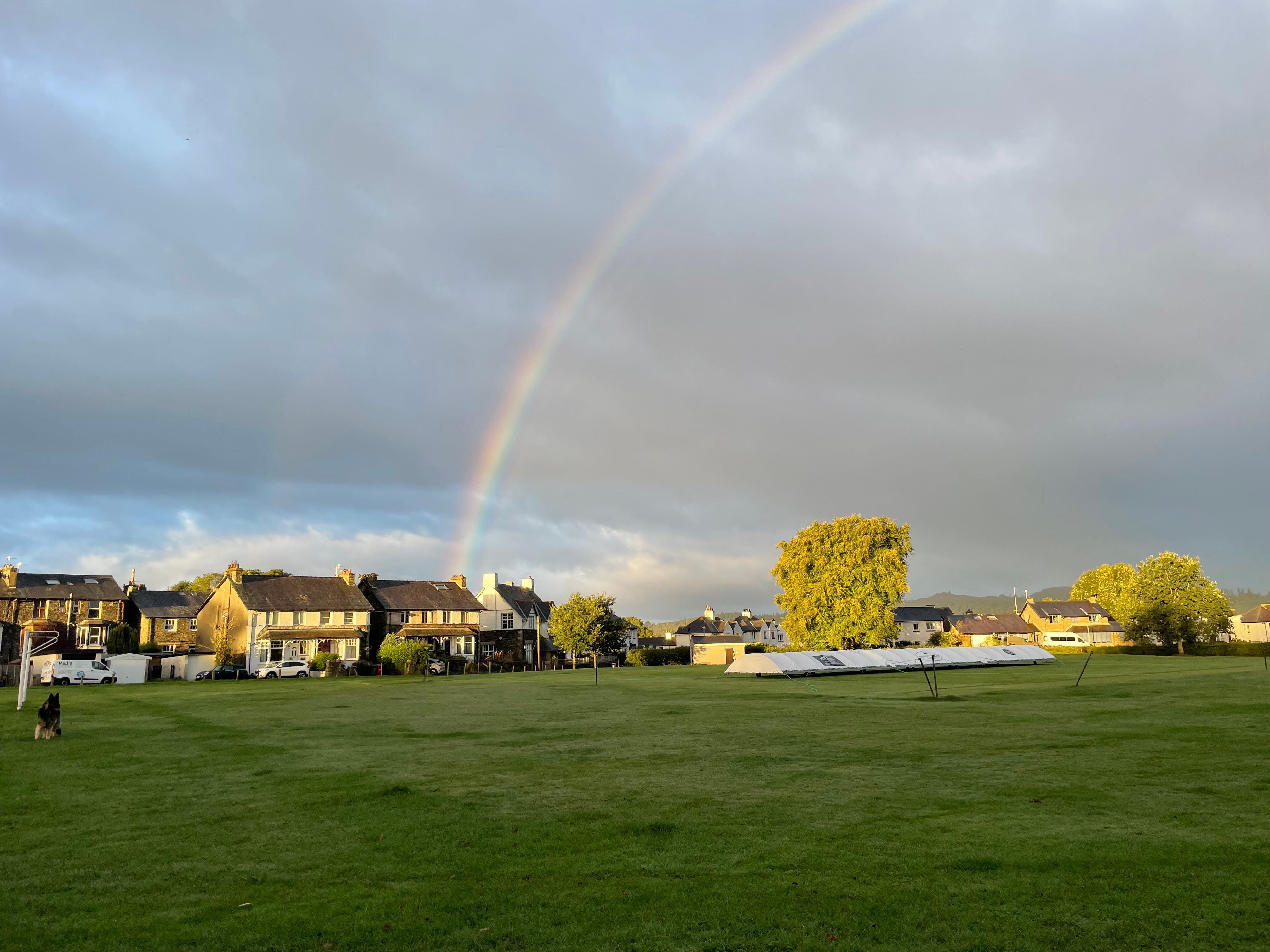
Even ten minutes sitting outside with a cup of coffee can be enough to create a little breathing space in the day. And if you’re postpartum, especially in those exhausting early weeks, it doesn’t have to be a long walk.
You don’t need to push yourself. You don’t need to make it a workout. You don’t need to achieve anything. Just get outside if you can. Walk slowly. Look around. Notice the trees. Listen to the birds. Feel the air on your face. Let your baby sleep in the pram or carrier. Let the dog sniff. Let yourself breathe.
Click here to buy me a coffee and keep me fuelled for writing as a new mum ☕️
For me, these walks have become one of the simplest and most restorative parts of motherhood. Ella is growing rapidly. Amber is still faithfully by my side. I’m gradually rebuilding my strength, and I’m beginning to feel the fog of those first sleep-deprived weeks lifting. I don’t know exactly what the next few months will look like. But I know I’ll keep walking. Through the woods, along the lake, over the hills and wherever else the path takes us. Because sometimes looking after yourself doesn’t have to be complicated. Sometimes it is simply putting one foot in front of the other and allowing nature to do some of the work.