At 8 weeks postpartum, I’m learning that looking after your mental health after having a baby isn’t about finding hours of uninterrupted self-care, perfect nutrition or getting straight back into your pre-pregnancy fitness routine. Sometimes it’s about eating something before you realise you’re starving, getting outside for twenty minutes, having a shower, lying down while the baby sleeps, or accepting help without feeling guilty.
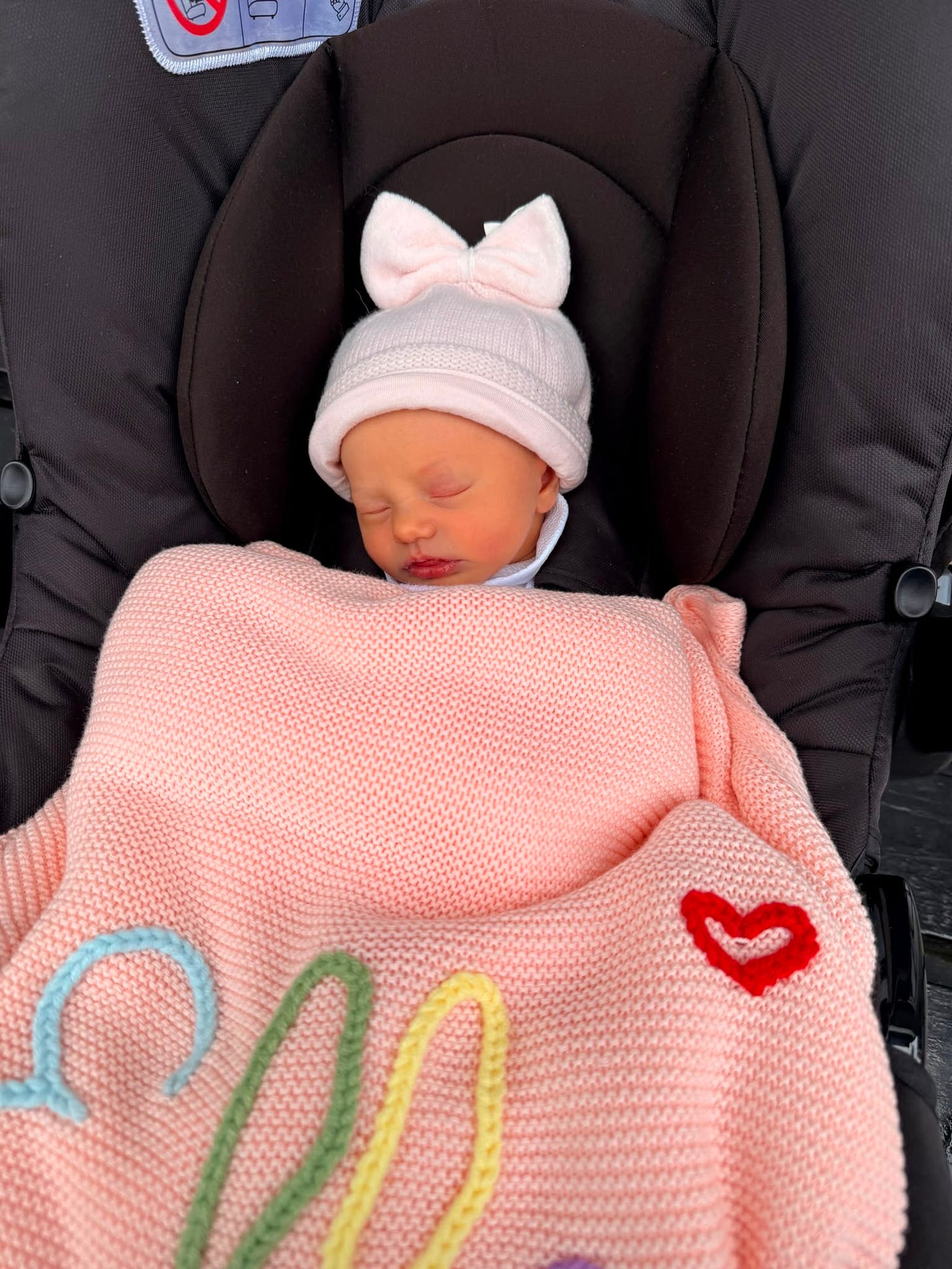
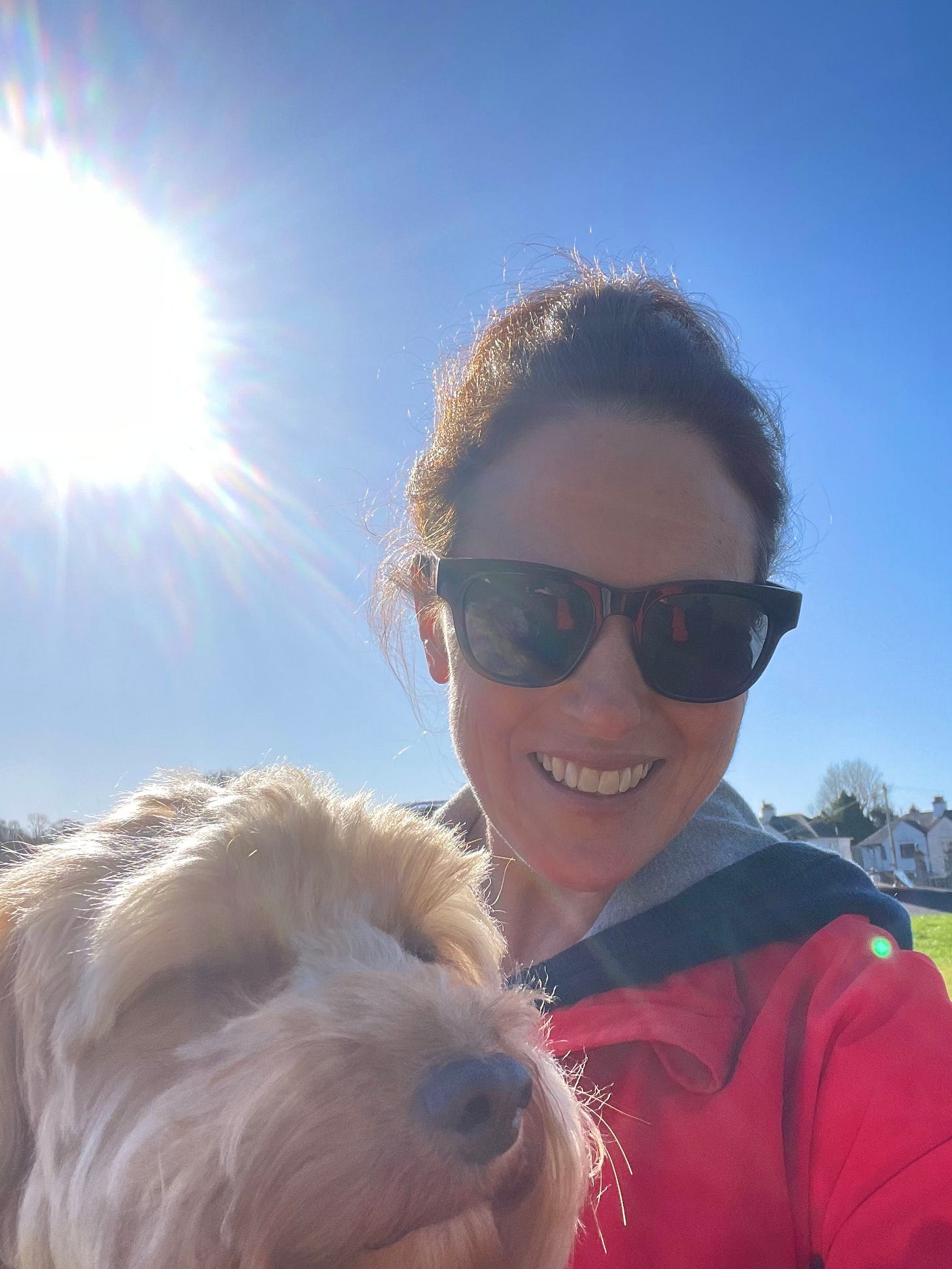
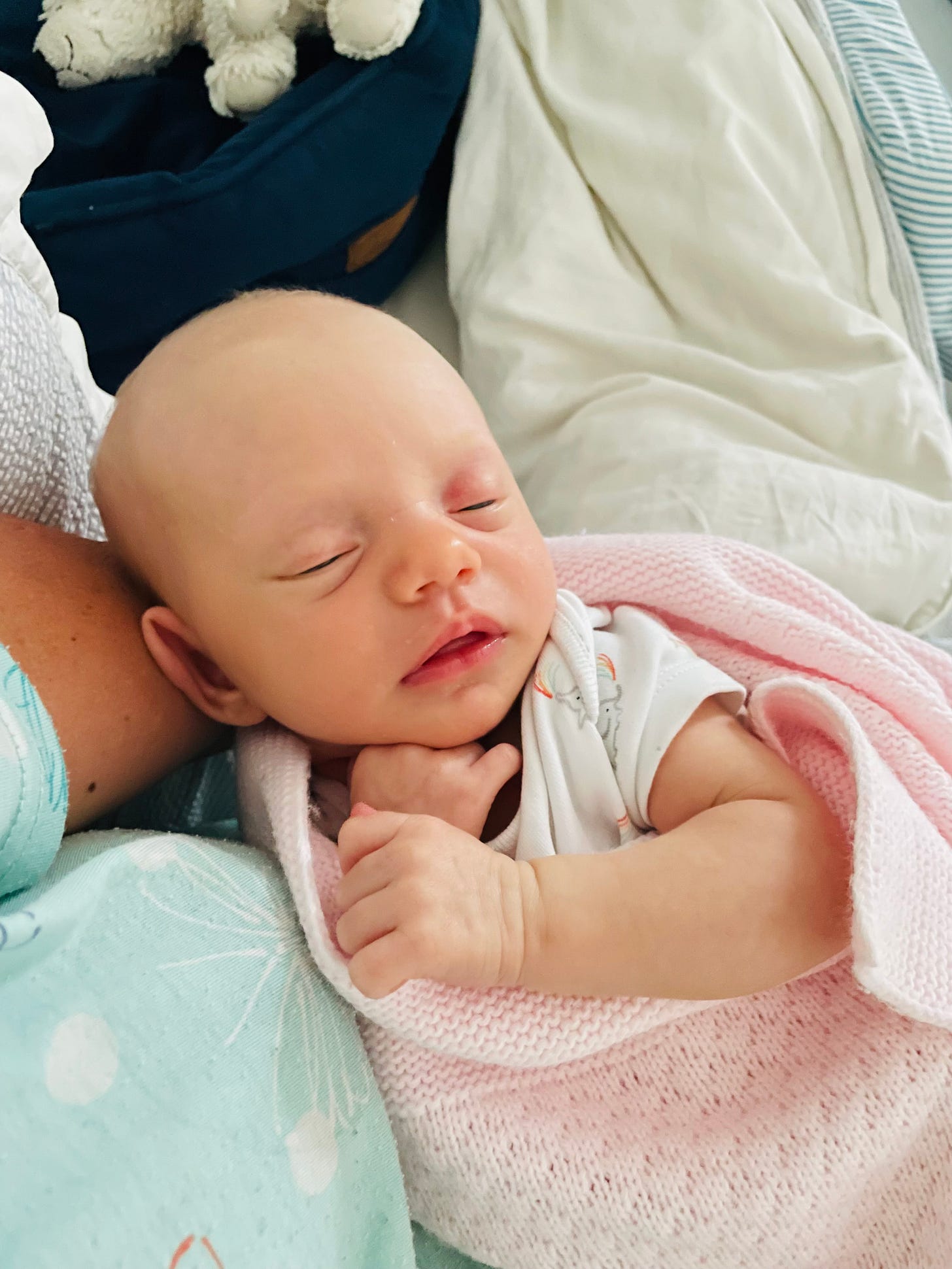
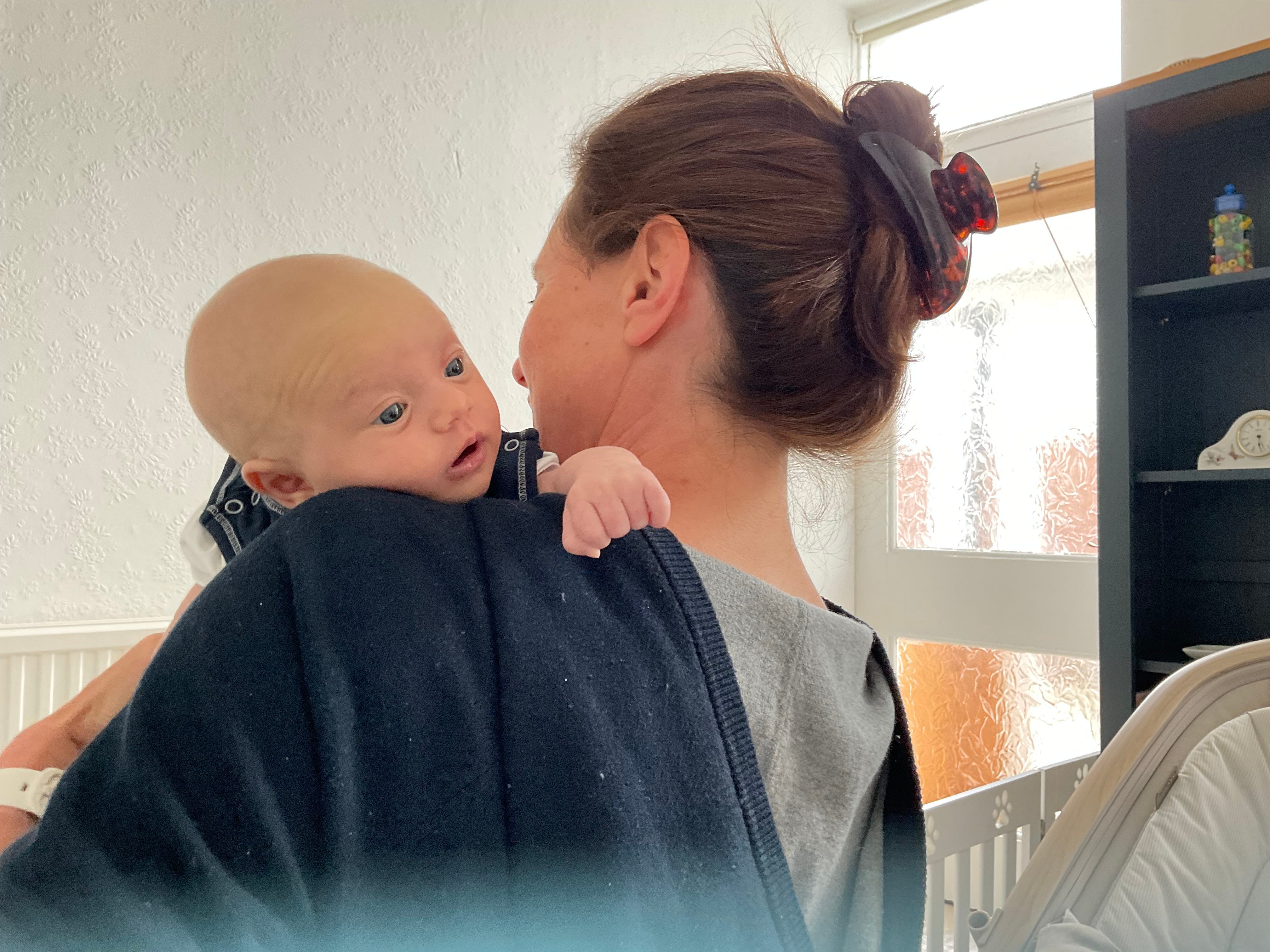
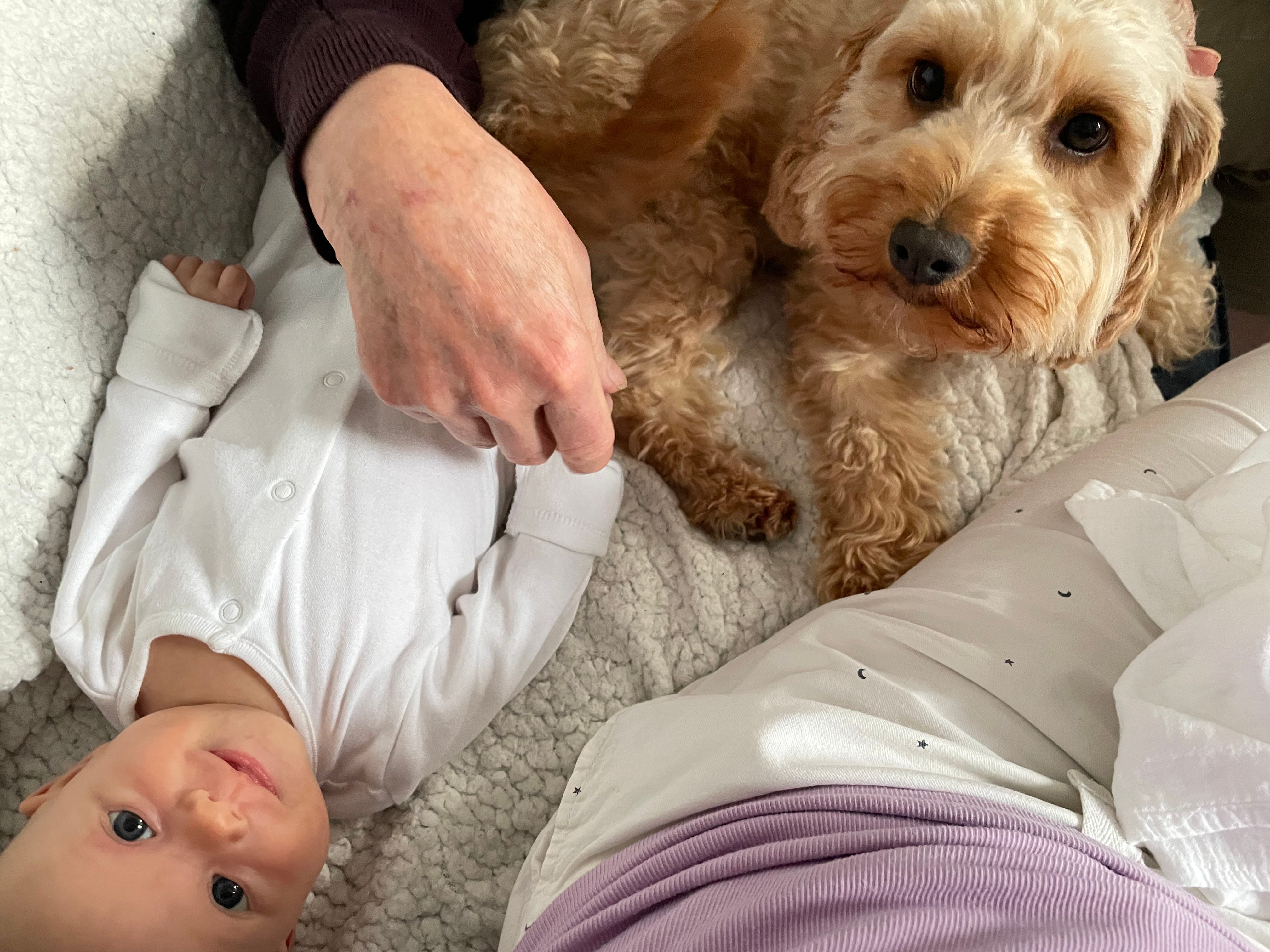
As a pre and postnatal nutritionist and personal trainer, I know the theory. But becoming a mum myself has reminded me that postpartum wellbeing is less about knowing what should work and much more about finding what is realistic when you’re exhausted, recovering and responsible for a tiny human. I’m also doing this as a single mum to my beautiful baby girl, Ella, following an elective C-section. And throughout it all, my constant companion Amber has been by my side - my little shadow, walking buddy and emotional support.
Food: nourish, don’t restrict
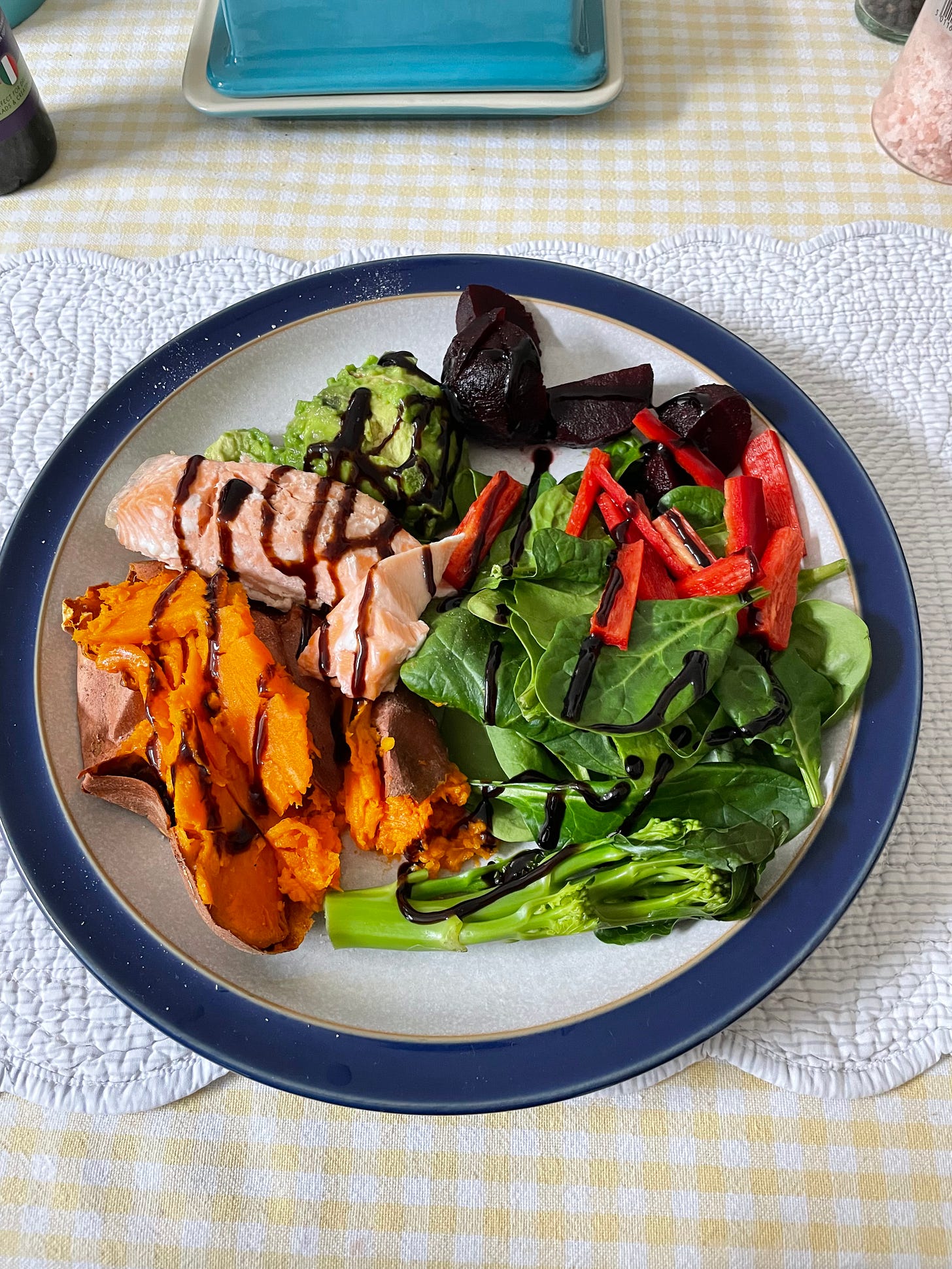
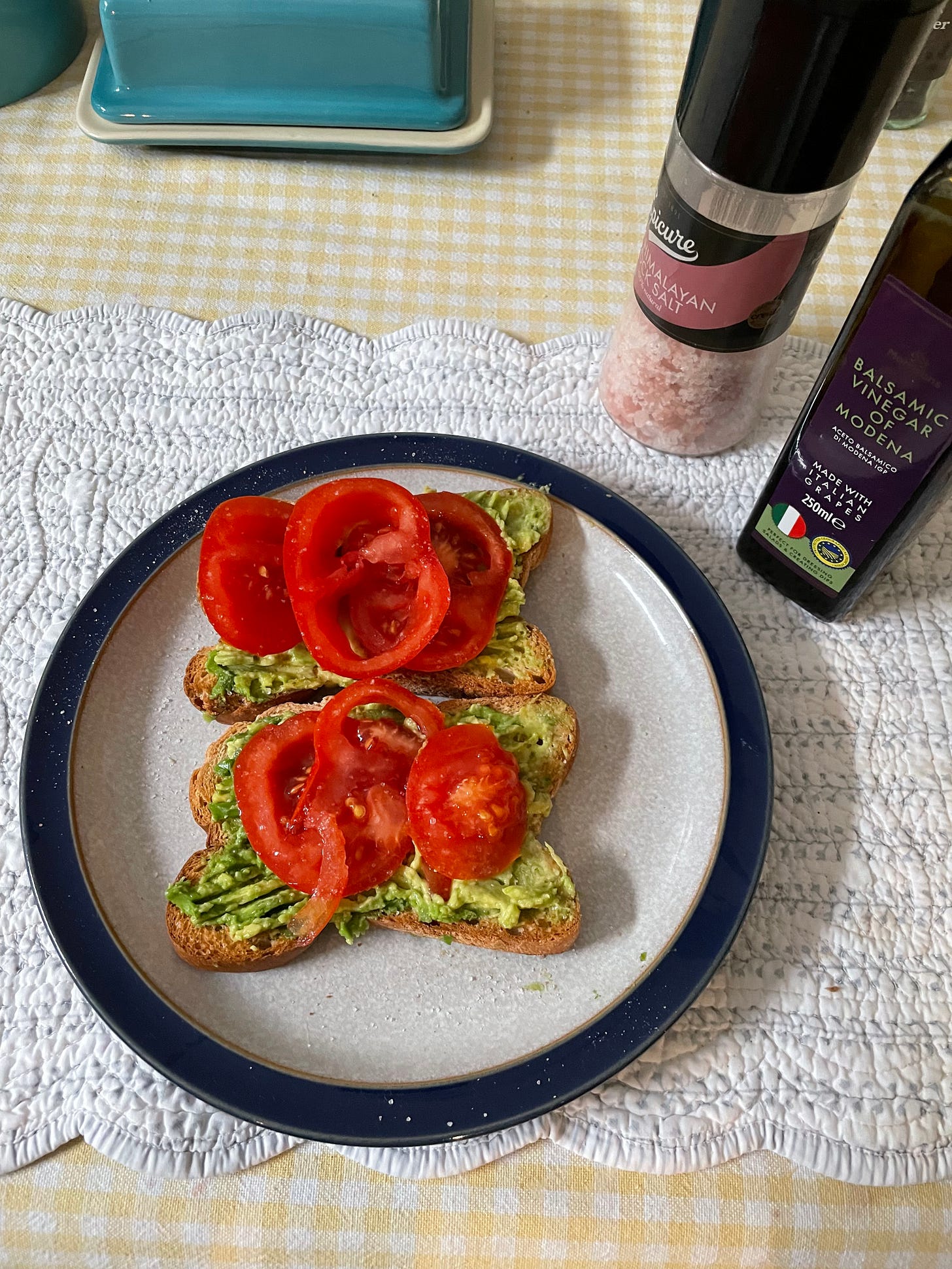
One of the biggest mistakes we can make postpartum is putting pressure on ourselves to “lose the baby weight” as quickly as possible. Your body has just grown and delivered a baby. You are recovering, your hormones are changing, and if you’re breastfeeding, you’re also supporting another human nutritionally. This is not the time for aggressive dieting. Instead, I’m focusing on regular, nourishing meals that support energy, recovery and mood. Think protein, carbohydrates, healthy fats, fruit and vegetables, and plenty of fluids. Protein is particularly useful for supporting tissue repair and keeping meals satisfying, while carbohydrates provide an important source of energy - something you desperately need when sleep is broken.
And make food easy.
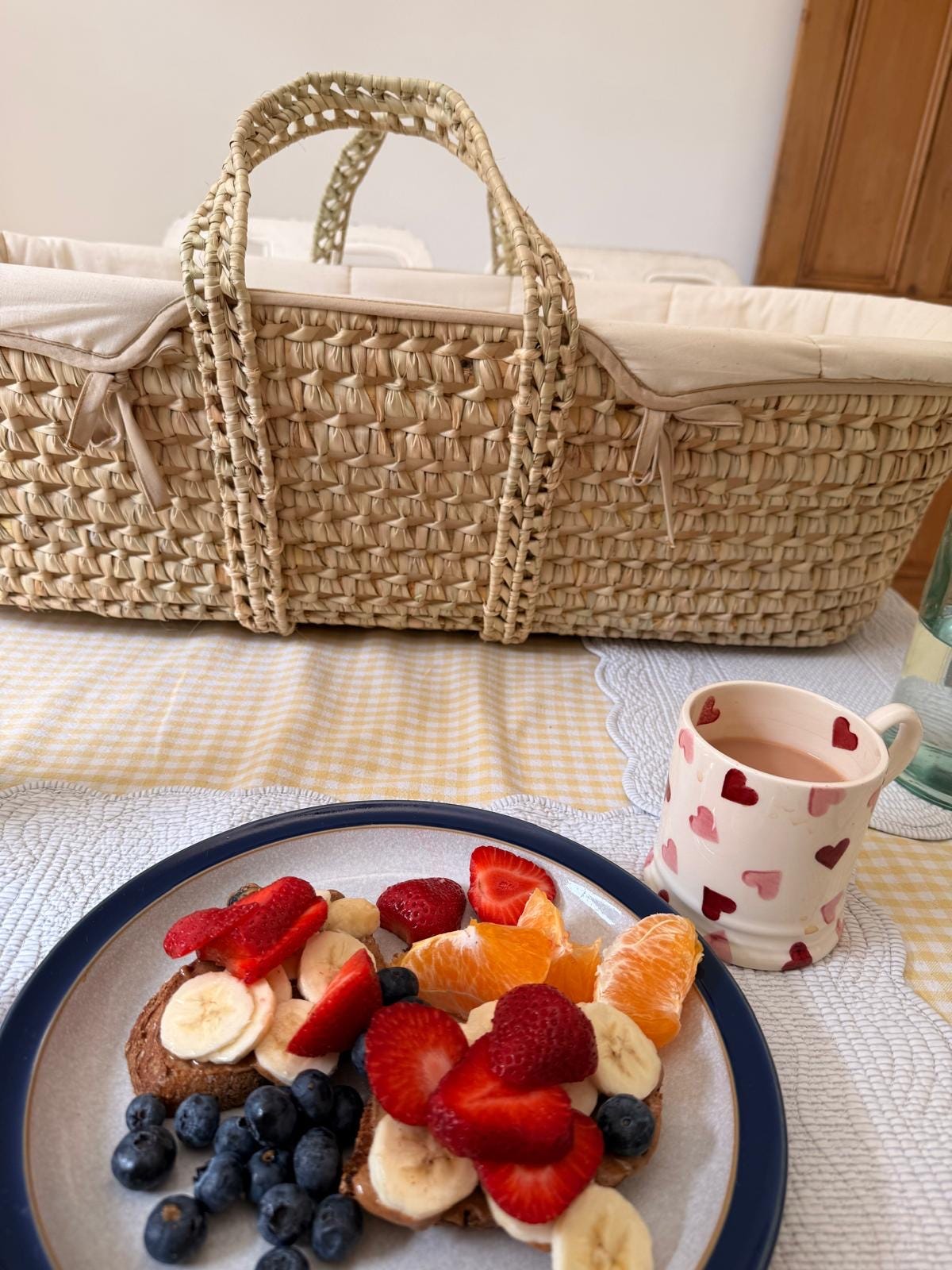
Postpartum nutrition does not have to mean elaborate recipes. Eggs or nut butter on toast, natural yoghurt with fresh fruit, seeds and nuts, a jacket potato with beans, cheese and salad, porridge with fresh fruit and nut butter, soup with whole grain bread, or a simple roast chicken and a selection of vegetables can all be fantastic options.
If you’re breastfeeding, staying hydrated is particularly important. Keeping a water bottle next to wherever you usually feed is one of those ridiculously simple things that can make life easier. Most importantly, don’t wait until you’re absolutely ravenous to eat. When you’re caring for a newborn, hunger can creep up on you quickly.
Exercise: move for your mind, not your pre-baby body
As a personal trainer, I have had to remind myself that postpartum exercise isn’t about punishment or “getting your body back”. Your body hasn’t gone anywhere. It has changed, adapted and done something extraordinary. At 8 weeks after an elective C-section, I’m approaching exercise with patience. A C-section is major abdominal surgery, and recovery takes time. The NHS recommends gentle movement during recovery and seeking advice before returning to strenuous exercise. (nhs.uk)
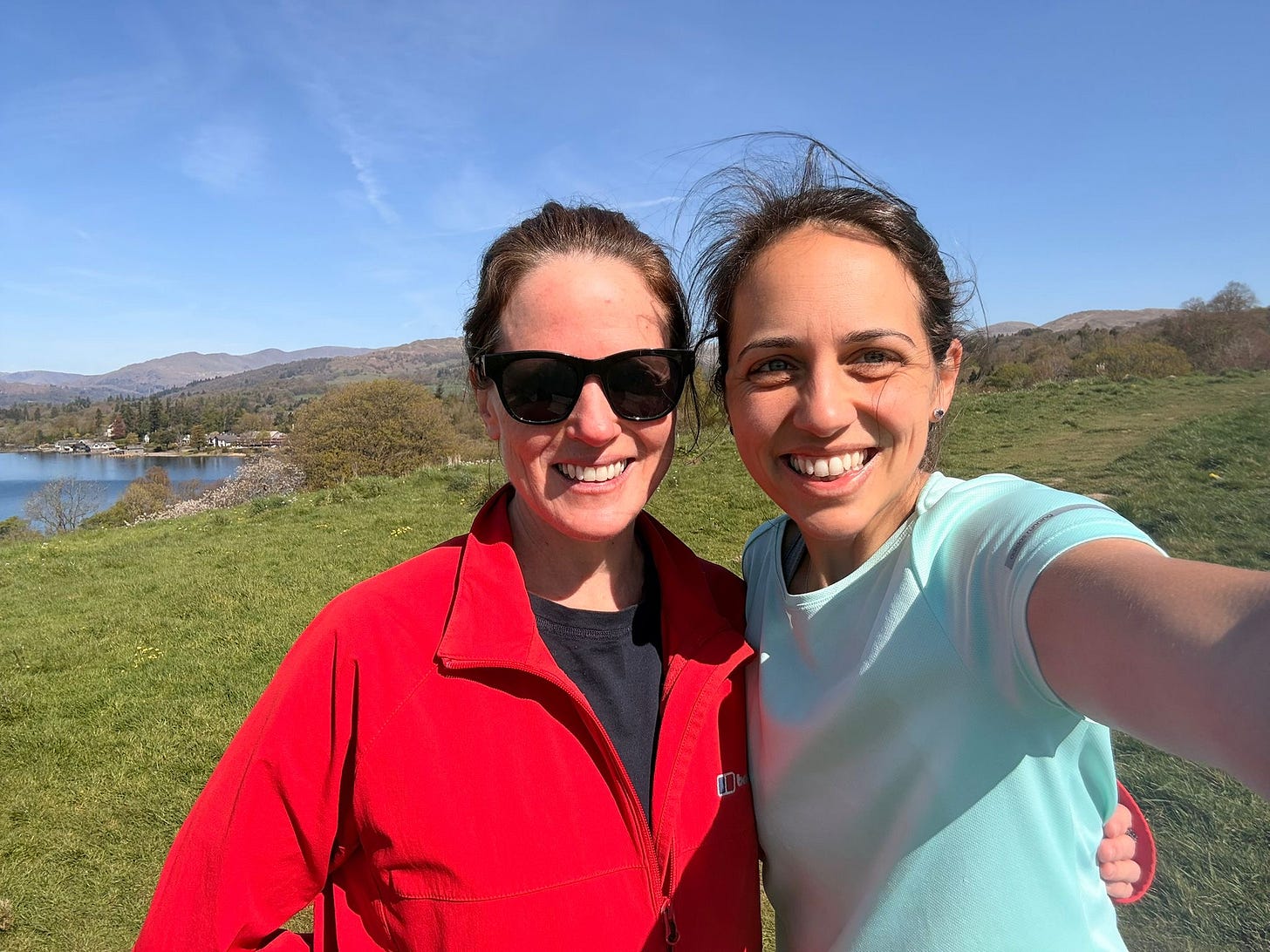
For me, walking has been one of the biggest wins. Getting outside with Ella and Amber gives me fresh air, a change of scenery and a reason to leave the house even when I might otherwise stay in. It doesn’t need to be a power walk. It doesn’t need to be a certain distance. Some days it might simply be a gentle wander. And that counts. Movement can be incredibly helpful for your mental health. It can give you a little boost of energy, create a sense of routine and provide that all-important change of environment. Even gentle exercise such as walking can support mood. (nhs.uk) There will be time for progressing strength, fitness and intensity. Right now, recovery comes first.
Rest: redefine what “rest” means
This one is hard.
“Sleep when the baby sleeps” sounds wonderful until you realise that the baby sleeping might be the only opportunity you have to eat, shower, do the washing up, answer messages or stare into space for five minutes! And as a single mum, there isn’t always another adult available to take over. So I’m trying to think about rest rather than just sleep. If Ella is asleep and I have the chance to lie down, sometimes I do. Other times I might sit with a cup of coffee, read or simply put my phone down and breathe. Five or ten minutes of genuine relaxation can still be valuable. The NHS also recommends getting as much sleep and rest as possible after having a baby, while accepting practical help where it’s available. (nhs.uk)
And this is where I’ve had to let go of perfection.
The house can wait. The laundry can wait. The non-essential emails can wait. You don’t get extra points for being exhausted and having a spotless kitchen.
Don’t underestimate the power of getting outside. One of my favourite parts of postpartum life has been the simple ritual of getting out with Ella and Amber. There is something about fresh air, daylight and moving your body that can shift your perspective, even if only slightly. Amber has been my constant companion throughout this whole experience. She’s been there during the quiet moments, the overwhelming moments and the moments when I simply needed another living being beside me.
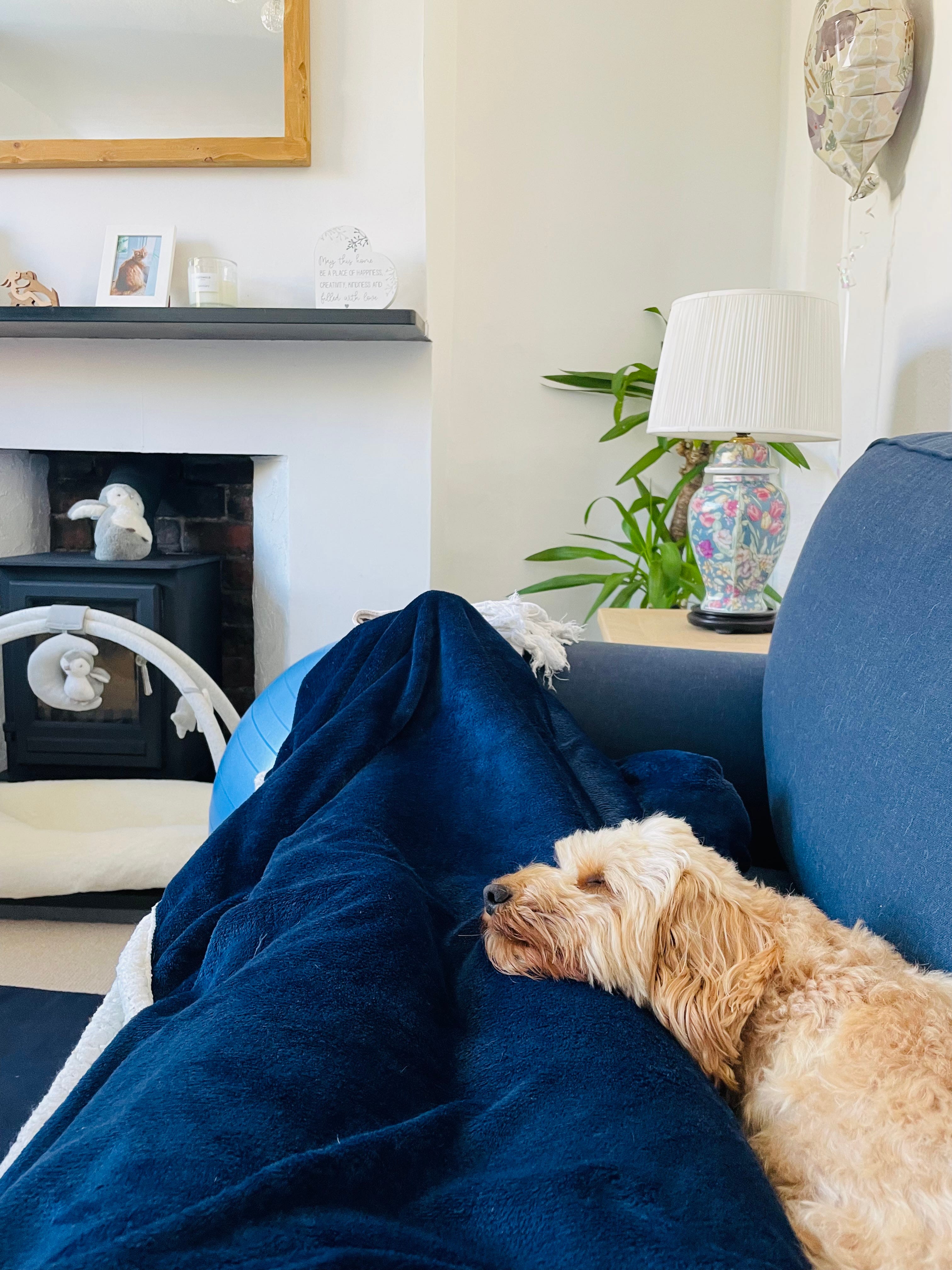
For anyone who has a dog, I think you’ll understand that they can provide a kind of companionship that is difficult to put into words. And having Amber means I have a reason to get outside every day - something that has been invaluable for my mental wellbeing.
Give yourself permission to ask for help
Being a single mum doesn’t mean you have to prove that you can do absolutely everything alone. If someone offers to pop to the shops for you, let them. If someone offers to take the dog for a walk, let them. If someone wants to hold the baby while you shower, eat or sleep, let them. Asking for help isn’t weakness. It’s part of looking after yourself, and looking after yourself is part of looking after your baby.
Click here to buy me a coffee and keep me fuelled for writing as a new mum ☕️
And remember: struggling doesn’t mean you’re failing. There is a huge difference between having difficult days postpartum and experiencing postnatal depression or anxiety. The “baby blues” are common and usually settle within two weeks, but postnatal depression can develop during pregnancy or at any point in the first year after birth. Symptoms can include persistent low mood, anxiety, hopelessness, difficulty sleeping even when you have the opportunity to rest, difficulty bonding with your baby, or feeling unable to cope. (nhs.uk) If you’re struggling, please tell someone. Your GP, midwife or health visitor can help. You don’t have to wait until things feel unbearable, and asking for help doesn’t make you a bad mum. (nhs.uk)
Postpartum mental health isn’t about doing everything perfectly. For me, right now, it looks like nourishing my body, moving gently, resting whenever I can, getting outside with Ella and Amber, accepting help and reminding myself that this season doesn’t need to look perfect to be wonderful. Some days I manage more. Some days I manage less. And both are okay.
Because perhaps looking after your mental health postpartum isn’t about adding more things to your to-do list. Perhaps it’s about giving yourself permission to do less, more gently, and without guilt.